Do I Need Layer 2 Switching?
Not really, at least not anymore.
The world of computer networking is rather interesting. For the longest time, the architecture has been around a combination of Layer 2 (Spanning Tree, VLANs, Port-Channels, and so forth) and Layer 3 (IP, OSPF, BGP, and so on) features. Each of these categories comes with its own set of advantages and disadvantages.
For example, when deploying Layer 2 features such as Spanning Tree, or VLAN, scalability comes to mind. With Spanning Tree, bandwidth utilization runs at fifty percent due to links being blocked as part of loop avoidance algorithms. With VLANs, the number of IDs is limited to 4,094. Having said that, Layer 2 is simple to deploy and it is better understood.
As far as Layer 3 is concerned, IP is considered more complex than Layer 2, routing protocols such as OSPF, or BGP can be complex. Removing these inherent complexities has always been key to the overall adoption of Layer 3 deployments.
Dell SmartFabric OS10 is widely deployed across all sectors and infrastructure environments. Among these environments, large enterprise, and cloud deployments there is a unique deployment model where Layer 3 is fully extended all the way to the host. This feature is referred to as “Routing to the Host.”
Let’s eliminate Layer 2 switching
In a typical network, an end-host sends its data packet to a switch or a router so the packet can be either switched or routed to its destination. The end-host needs … but what if I told you that we can eliminate the need for a switch and connect straight.
Routing to the Host
Routing to the host is an evolution in simplicity and often deployed as a cloud-based model. It fundamentally shifts the idea in how data communication works from the end-host while bringing the benefits of a Layer 3 environment with none of Layer 2’s limitations. Routing to the host has the following characteristics:
- No VLAN needed, therefore no ID limitations and no need for a Layer 3 device to terminate these VLANs to allow inter-VLAN communication.
- Direct route advertisement allowing complete flexibility in movement by end-hosts.
- No configuration is needed. This feature is enabled by default on Dell SmartFabric OS10.
- No network loops.
- No device redundancy feature needed such as multi-chassis (MC-LAG) to provide end-host redundant connectivity.
Figure 1 shows the typical routing to a host single-site cloud-based deployment model where Layer 3 is deployed end-to-end, including the end-host.
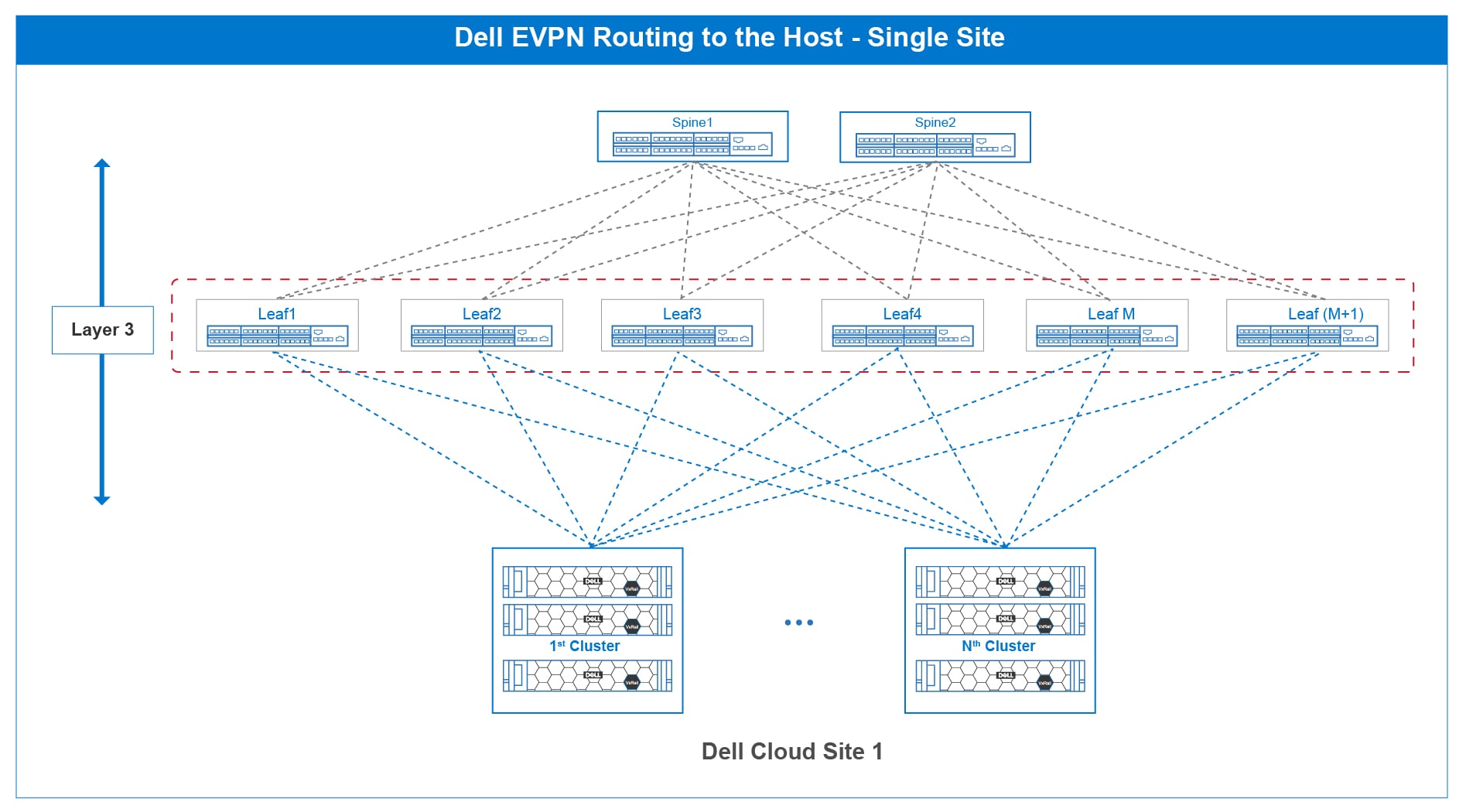
Figure 1 – Routing to the host single-site cloud reference architecture
Figure 2 shows two fabrics with routing to the host deployed on each fabric. It is here where this freedom of movement can be better understood. In typical network design where routing to the host is not deployed, the end-host needs a default gateway to send its data packet to, in this case it is the upstream leaf connection. This is often a 1:1 correlation, creating dependency.
To move a connection from the left side to the right side and vice versa, companion configurations would be needed on the leaf switches, creating unnecessary configuration churn.
With routing to the host, end-hosts are simply IP addresses moving between sites. There is no configuration tie-down to any upstream device. The routing protocols ensure these IP addresses are routed properly to their destinations.
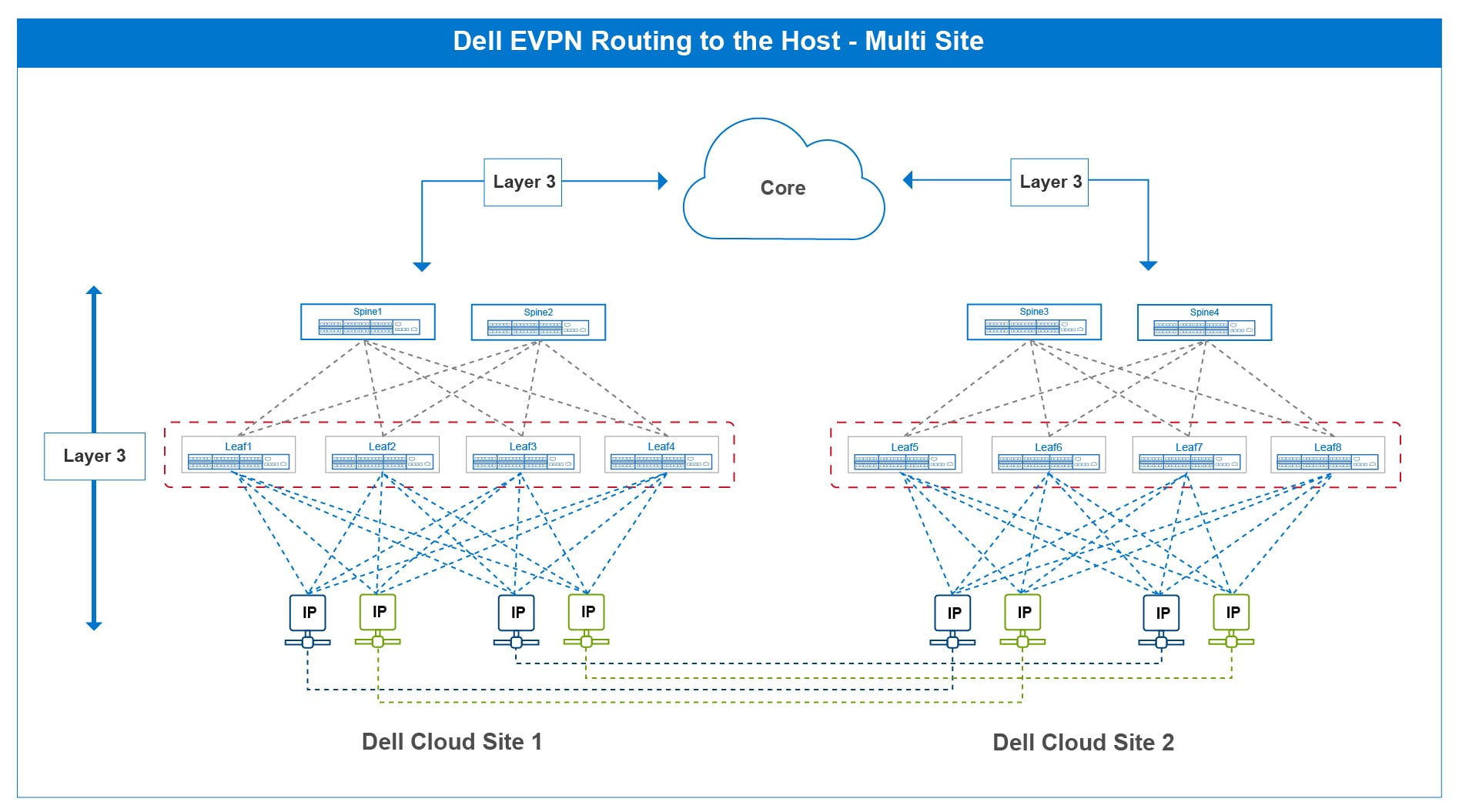
Figure 2 – Routing to the host multi-site cloud reference architecture
Routing to the host is new when compared to other Layer 3 routing features such as OSPF or BGP. However, in the short time it has been implemented, it has created a unique value proposition whenever planning any infrastructure deployment.
It is going to be interesting to see how the industry reacts and Dell Technologies is excited to see how many deployments incorporate this interesting SmartFabric OS10 feature.