Energy-Efficient Data Center
Servers
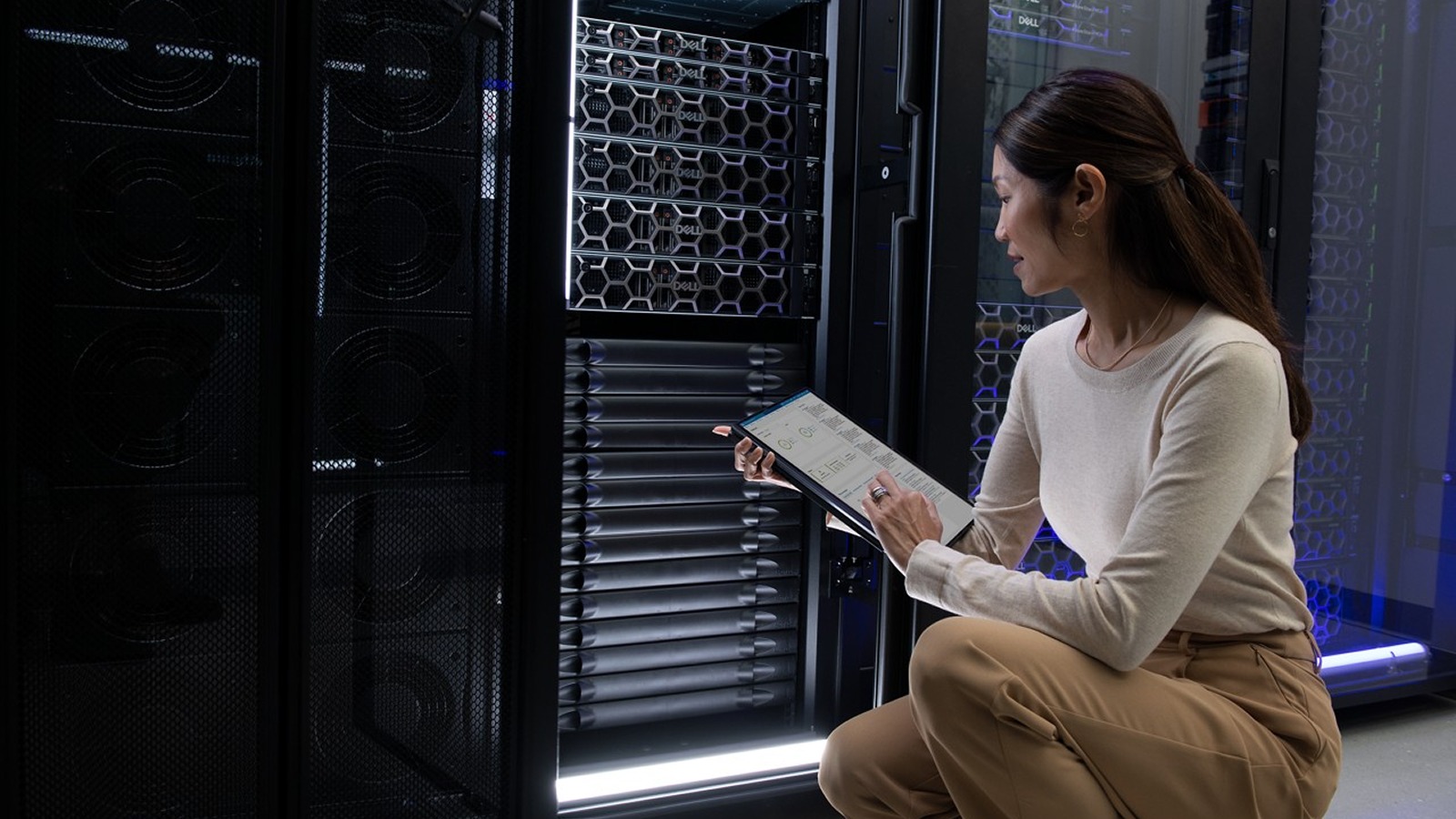
Reduce data center energy consumption and environmental impact with liquid-cooled server infrastructure, warm water cooling innovations, and intelligent rack-level management designed to maximize efficiency at scale:
- Cut annual energy costs by up to one-third1 for large-scale AI deployments by combining direct liquid cooling with Dell's PowerCool eRDHx, which enables warm water cooling (32 °C – 36 °C) and reduces reliance on energy-intensive chilled water infrastructure.
- Reduce datacenter rack footprint by up to 77%2 with PowerEdge liquid-cooled AI servers compared to air-cooled alternatives, achieving up to 4.5x GPU3 density per rack — delivering more compute per square foot with less physical infrastructure.
- Safeguard against environmental risk with the Dell Integrated Rack Controller (IRC), which can detect rack-level leaks in as few as seven4 seconds and react in as few as three4 seconds to leaks as small as 20 microliters (µL).
Storage
Take control of your data center’s energy costs with Dell storage solutions that shrink your footprint, reduce power consumption, and turn data into insights faster. The Dell storage portfolio delivers industry-leading data reduction, high-density capacity, and intelligent efficiency built in, so you can do more while spending less on space and energy.
- PowerStore: PowerStore provides an industry-best 6:1 data reduction guarantee5 and delivers superior efficiency versus the competition.6
- PowerMax: PowerMax is the industry’s most energy-efficient mission-critical storage7 and delivers up to 2.8x more performance per watt.8
- PowerScale: PowerScale delivers NVIDIA-Cloud certified performance with up to 80% less rack space, 8x fewer switches, and 72% less energy — saving customers over $1.5 million in expected power costs alone.9
Networking
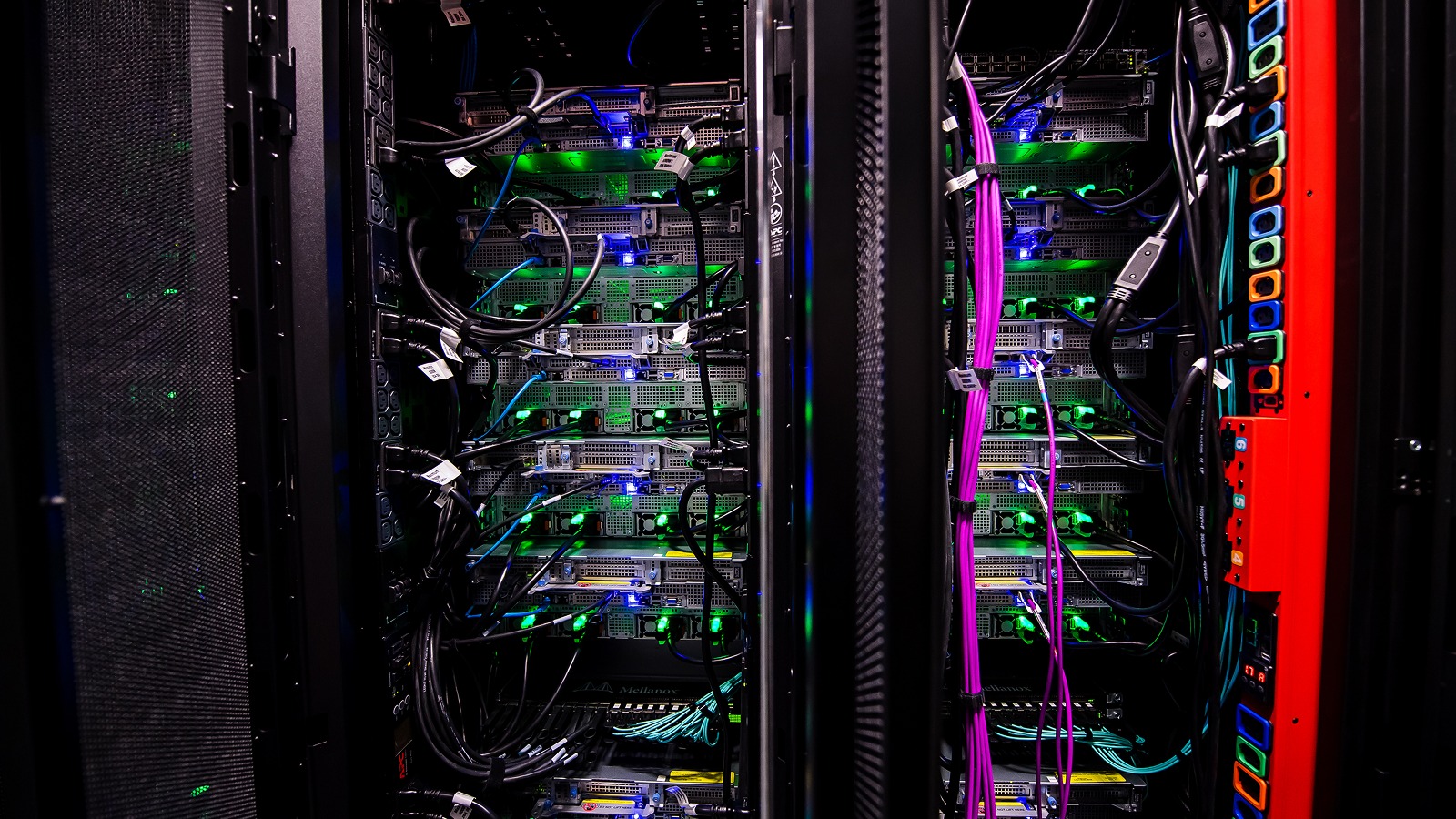
Improve network efficiency with high-performance fabric designs, energy-optimized switching, and low-power optical connectivity engineered for modern AI and data center environments.
- Reduce fabric power consumption with linear pluggable optics (LPO) and co-packaged optics (CPO), which remove DSPs to cut transceiver power usage by up to 50%.10
- Support dense, high-bandwidth AI fabrics with thermally optimized networking designs that improve cooling efficiency, provide liquid cooling, and help lower operational overhead.
- Simplify large-scale deployments with integrated networking architectures that reduce infrastructure complexity, streamline management, and improve power and cooling utilization.
Dell AIOps
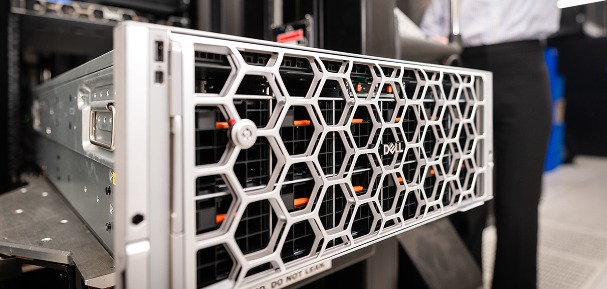
Dell AIOps, included with ProSupport agreements, equips IT teams with AI tools and insights to enhance health, cybersecurity, and efficiency, allowing them to stay ahead with proactive observability, solve faster with predictive intelligence and gain clear insights for smarter management.
OME
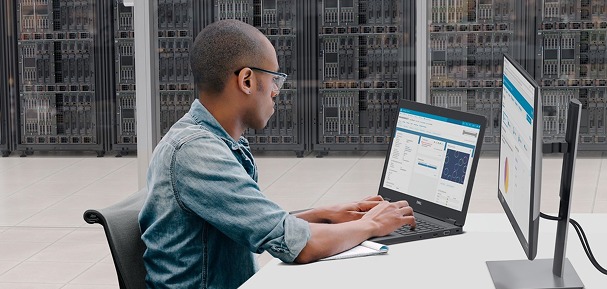
Manage PowerEdge servers at scale with OpenManage Enterprise (OME), a centralized console for monitoring, updating and automating server operations. Reduce manual effort, improve consistency and keep infrastructure running efficiently.
iDRAC
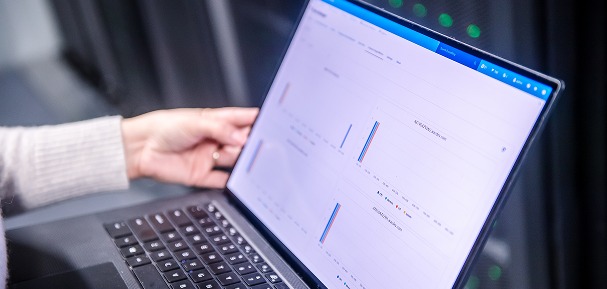
Manage individual PowerEdge servers from virtually anywhere with the Integrated Dell Remote Access Controller (iDRAC). Secure, embedded management tools simplify deployment, monitoring and updates throughout the server lifecycle.
Modernize your IT infrastructure with technologies designed with circularity in mind and delivered in sustainable packaging.

Services for Efficient Data Centers
Get the expertise you need to create strategies for a more efficient data center with intelligent power and cooling management.

Tech Refresh and Recycle
Tech Refresh and Recycle Program offers a free, secure, and sustainable solution for retiring outdated server and storage systems while supporting enterprise modernization.
Asset Recovery Services
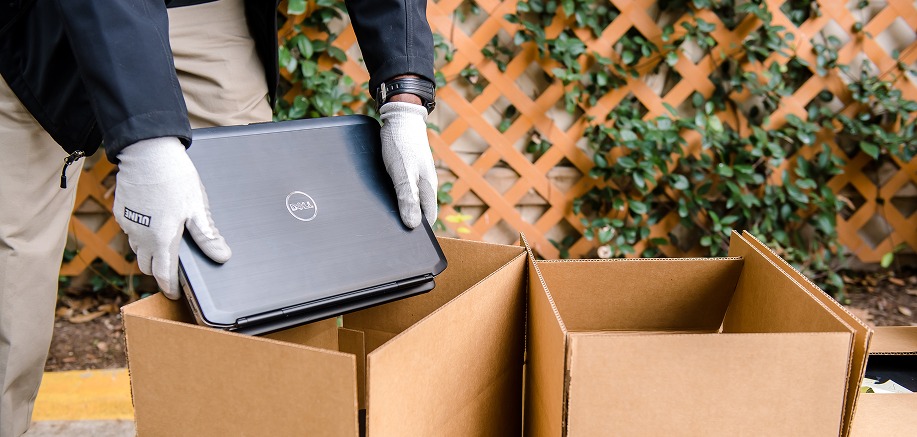
Streamline your IT refresh process with secure and responsible retirement of client equipment and servers, ensuring a smooth transition to new technology while meeting business and sustainability goals.
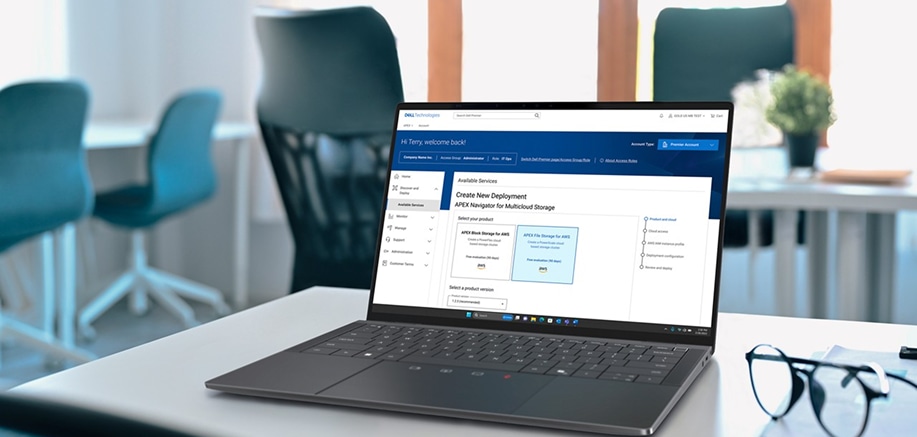
Dell APEX
Optimize your IT environment and grow as your needs change with Dell APEX, enabling seamless scaling to reduce waste and improve efficiency.
Essential Resources
Viewing of 3