
Healthcare
A Modern Cure for NHS Challenges
A Call for Action and Technological Integration
The National Health Service (NHS) in England is facing a critical juncture. The Independent Investigation of the NHS in England, led by Lord Darzi, serves as a stark reminder of the systemic issues plaguing our healthcare system. However, this report also illuminates a path forward—a path where technology can play a pivotal role in addressing these challenges and transforming the NHS into a more efficient, patient-centric institution.
Key Findings from the Report
Underfunding and Resource Shortage
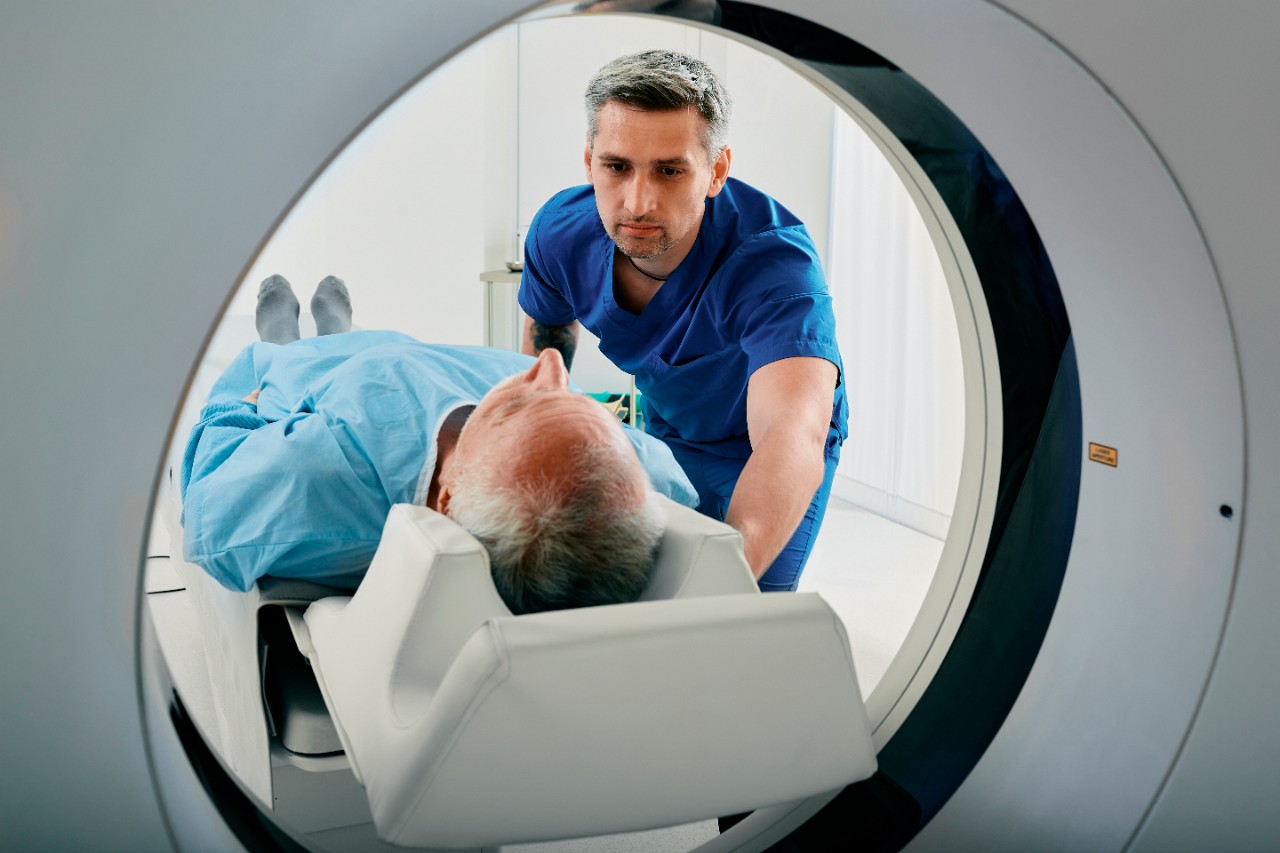
The chronic underfunding of the NHS, particularly in capital projects, has left much of its infrastructure outdated. Outdated medical equipment, such as MRI and CT scanners, significantly hampers the quality of care. This long-term neglect is unsustainable, especially when comparing the NHS with other developed healthcare systems. The report highlights the urgent need for investment to bring the NHS’s infrastructure up to modern standards.
Long Waiting Times
Waiting lists for hospital procedures, mental health services, and emergency care have reached unprecedented levels. Since 2015, there has been a sharp decline in waiting time performance, with over a million people waiting for community services, including children and young adults in mental health services. This strain has eroded public confidence in the NHS’s ability to deliver timely and effective care.
Mental Health Crisis
A significant demand for mental health services, particularly among children and young people, is another key finding. Many are waiting over a year for treatment, putting immense pressure on an already stretched system. Immediate action is needed to address this growing mental health burden.
Workforce Strain
NHS staff, though deeply committed, face low morale due to excessive workloads and lack of managerial support. This issue is further exacerbated by shortages in primary care and mental health professionals. Empowering and re-engaging the workforce is crucial to improving the overall system.
Post-COVID Impact
The pandemic has left an indelible mark on the NHS. The backlog created by COVID-19 has yet to be resolved, and recovery will require more than just managing the immediate crisis—it demands a rethink of how care is delivered in a post-pandemic world.
How Technology Can Address These Issues
While the challenges are numerous, technology offers a transformative solution to many of the NHS’s systemic issues. Here’s how:
-
- AI and Predictive Analytics
AI can revolutionize healthcare by predicting patient needs before they become acute. AI-driven predictive models can identify patients at high risk of chronic conditions like diabetes or cardiovascular diseases, enabling earlier interventions. This would ease the burden on hospitals by reducing emergency admissions and accelerating diagnostic processes, especially in imaging and pathology.
- AI and Predictive Analytics
-
- Telemedicine and Remote Monitoring
The report emphasizes long waiting lists and the overcrowding of emergency services. Telemedicine offers a viable solution by allowing patients to receive care remotely, particularly for chronic conditions and follow-ups. Wearable devices for remote monitoring can provide real-time health data to clinicians, reducing unnecessary hospital visits and freeing up resources for more urgent cases.
- Telemedicine and Remote Monitoring
-
- Digital Twins for Personalized Treatment
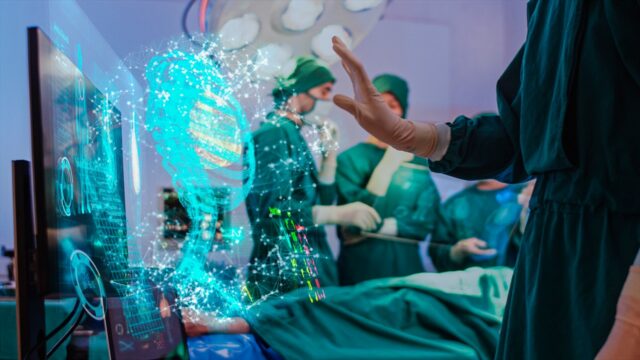
A promising innovation is the creation of digital twins—virtual models of organs or entire patients that predict how they will respond to treatments. In areas such as oncology, this could improve personalized care by testing different treatment plans in the digital space, ensuring that patients receive the most effective care.
- Digital Twins for Personalized Treatment
-
- AI-Enhanced Diagnostic Tools
The report notes the severe lack of diagnostic infrastructure. AI-based diagnostic tools can mitigate this by analyzing medical images and pathology slides faster and more accurately than traditional methods. AI is already making strides in radiology by reducing the time it takes to interpret scans, potentially reducing waiting times for diagnosis and treatment.
- AI-Enhanced Diagnostic Tools
-
- Integrated Data Systems
A crucial failing of the NHS is the fragmented nature of its data systems. By implementing interoperable data platforms, the NHS can ensure that patient data flows seamlessly between hospitals, clinics, and primary care providers. This not only improves care coordination but also reduces redundancies and administrative bottlenecks.
- Integrated Data Systems
Moving Forward: A Proactive Approach
While the NHS faces unprecedented challenges, the report offers hope. It suggests that the NHS can not only recover but thrive, provided there is a strong focus on technology and innovation. By leveraging AI, telemedicine, and digital infrastructure, the NHS can evolve from a reactive healthcare system to a proactive, patient-centered model.
The report concludes that the NHS still holds strong “vital signs,” thanks to its dedicated staff and clinical expertise. The next step is clear: a renewed focus on integrating technology and modern practices to improve patient outcomes, empower healthcare workers, and restore public trust in this vital institution.
Conclusion
In sum, this report is not just a critique but a roadmap for the future. Now is the time to embrace innovation and ensure that the NHS is equipped to meet the healthcare challenges of the future.
As a trusted partner of the NHS and healthcare providers globally, Dell Technologies has extensive experience in building solutions that address the unique challenges of modern healthcare systems. From leveraging AI for predictive analytics to creating integrated data platforms and empowering remote care, Dell has been at the forefront of driving digital transformation across healthcare organizations worldwide.
If you’re interested in learning more about any of the technology solutions mentioned above, feel free to get in touch. We’d be happy to share insights on how Dell can help your organization transform and thrive in an ever-evolving healthcare landscape.
For more detailed insights, you can refer to the full report by Lord Darzi on the state of the NHS in England here.