i2b2 - The Learning Health System
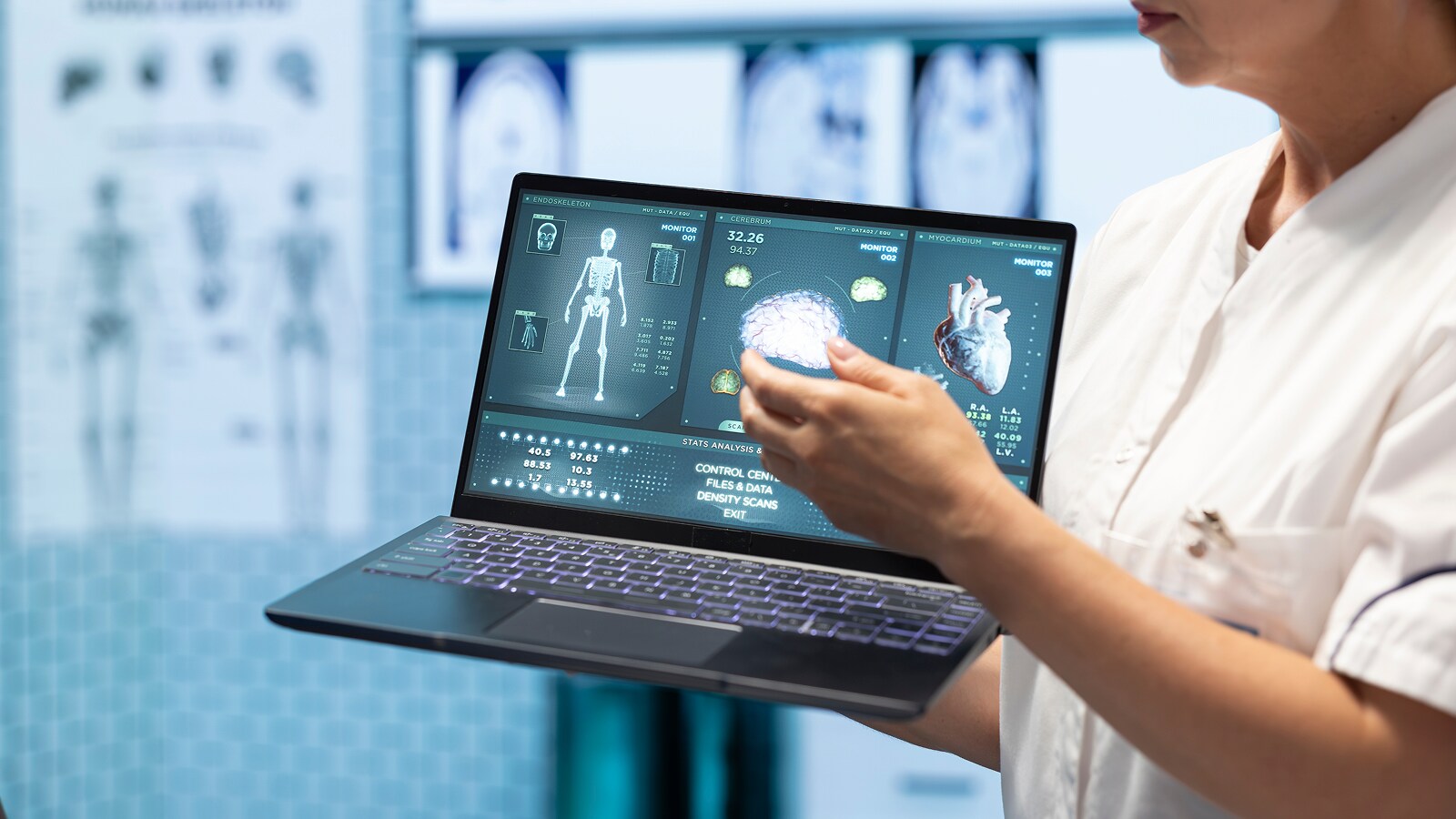
AI-enabled learning healthcare platform
The Learning Platform is an AI enabled healthcare platform that uses Dell Technologies’ modern infrastructure to create pools of de-identified patient data to produce digital twins across the globe. Researchers can then perform millions of individualized treatment simulations on the digital twins to determine the best possible therapy option for patients, based on genetic background and medical history.
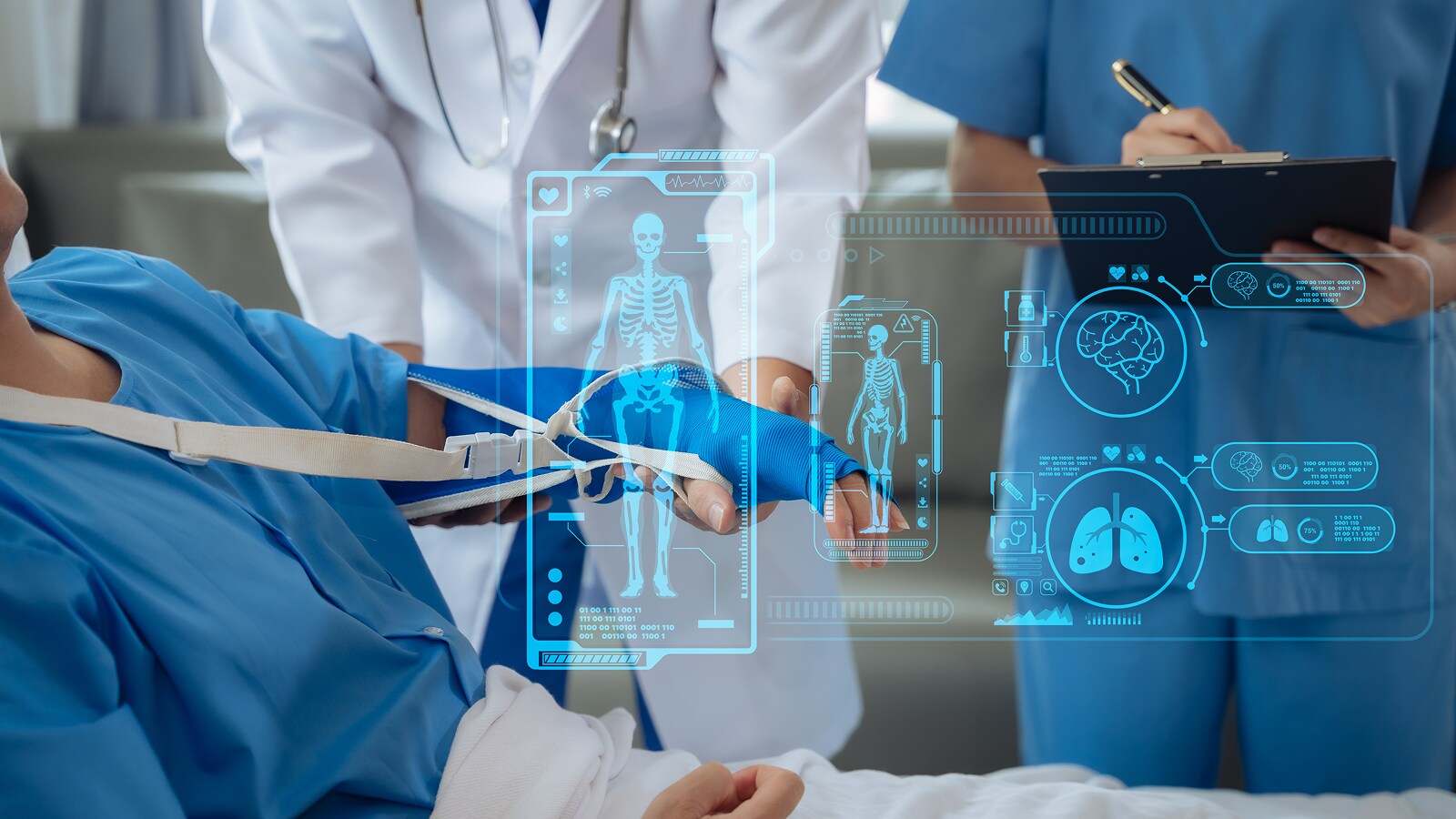
Leveraging the power of collective data and AI-driven research for individual impact
A Data Enclave—powered by an integration of Dell Technologies that includes PowerEdge, PowerStore, PowerScale and VMware Workspace ONE—is both the heart and brain of the digital twin operations. Researchers gather, store, and analyze de-identified data sourced from various monitoring systems and electronic health records and update the digital twins with real-time clinical data such as that collected through ventilators and cardiac monitors.
Researchers
- Access to de-identified patient data
- Collaboration with researchers
- Faster translation of research to application

Providers
- Treatment simulations for individual patients
- Precision medicine derived from over 800,000 patients
- Access to cutting-edge research results
Patients
- Potential for relevant, tailored treatments
- Access to targeted clinical trials
- Contribute to better health and quality of life
Explore more
Viewing of 1
