How to Master Multicloud Complexity in 2024

Podcast Series
In this episode
Courtney Hughes is joined by Nigel Burmeister, APEX & Multicloud Portfolio Marketing at Dell Technologies, who will be discussing how Dell can help you achieve your multicloud goals by elevating the public cloud experience, bridging your private and public clouds, and making your on-premises infrastructure more cloud-like.
View All EpisodesListen to the podcast:
00:00:04:14 - 00:00:31:01
Speaker 1
Hello and welcome to the Dell Technologies Forum podcast series, where we focus on transform ideas into innovation faster. In this series, we invite Dell specialist and experts from around the world to share with us the collaborations we had with customers in key areas of technology development. I'm your host, Courtney Hughes, director of Global brand campaigns for B-to-B here at Dell Technologies.
Speaker 1
Hello and welcome to the Dell Technologies Forum podcast series, where we focus on transform ideas into innovation faster. In this series, we invite Dell specialist and experts from around the world to share with us the collaborations we had with customers in key areas of technology development. I'm your host, Courtney Hughes, director of Global brand campaigns for B-to-B here at Dell Technologies.
00:00:31:03 - 00:00:47:24
Speaker 1
And in today's episode, we will be exploring the area of multi-cloud. And to discuss this topic with me I am so very pleased to be joined by Nigel Burmeister, Apex and Multi-cloud Portfolio Marketing Lead at Dell Technologies. Hey, Nigel, and thanks for joining me.
00:00:48:01 - 00:00:50:02
Speaker 2
Hey, Courtney. Thanks for having me.
00:00:50:04 - 00:00:57:13
Speaker 1
So, Nigel, you talk with a lot of customers. Why don't you start by telling us what most of them are looking for for multi-cloud these days?
00:00:57:15 - 00:01:20:10
Speaker 2
Yes, sure. Well, one of the things you've got to realize is most of our customers have data and applications spread across multiple places, the edge, their own data centers and colo facilities as well as multiple public clouds. And this is what we call this multi-cloud environment. And in general, these customers are really looking for three broad categories of things, I would say.
00:01:20:12 - 00:01:48:10
Speaker 2
First is they want their on premises, I.T. environment to be more cloud like. So they looking for things like quick provisioning, flexible scaling and pay as you go, those types of cloud like attributes. Secondly, in some cases they're wanting to enrich the experience that they're seeing in the public cloud. So perhaps they have applications that require higher performance or they have some security or governance or compliance issues.
00:01:48:10 - 00:02:12:20
Speaker 2
They have resiliency requirements. They're looking for access to the same rich feature set that they have on their on premises I.T. infrastructure. And then a third category, I would say, is because customers have these applications and data across all of these different silos, they just want it all to work seamlessly. So they don't want to have to retrain their staff for every different environment.
00:02:12:22 - 00:02:27:15
Speaker 2
And they just want to put applications and data where it makes the most sense for their business. You know, at any point in time. So they need a way to bridge these different environments, simplify the infrastructure management and also the application and data mobility.
00:02:27:17 - 00:02:41:07
Speaker 1
Yeah, and I'm sure that has to be, I guess, overwhelming in a sense to depending on your company size, right, when you have your data spread out across multiple locations, but you need it to work seamlessly together regardless of where it sits, right?
00:02:41:08 - 00:02:41:22
Speaker 2
Exactly.
00:02:41:23 - 00:02:46:04
Speaker 1
So where does Dell fit into the story of addressing some of these requirements?
00:02:46:09 - 00:03:11:02
Speaker 2
Yeah. So I believe Dell's got a pretty differentiated approach when it comes to this problem. We call it broadly multi-cloud by design is the approach. And we're really just talking about there being able to unlock the benefits of multi-cloud without being constrained by these siloed ecosystems or proprietary tools and services. And the way that we deliver multi-cloud by design is through something called Apex.
00:03:11:04 - 00:03:45:12
Speaker 2
This is a portfolio of cloud and consumption offers and multi-cloud by design really addresses those three fundamental challenges I talked about earlier. So first of all, it brings the same enterprise storage, data protection software, intellectual property that you have on premises to the public clouds. So it enriches that public cloud experience with these enterprise grade capabilities. But it also brings operational consistency and data mobility between your private and public cloud premises.
00:03:45:14 - 00:04:10:08
Speaker 2
Secondly, it extends these major cloud and container ecosystems from the public cloud to on premises environments, something we call cloud to ground. And it allows developers to build once and deploy anywhere using the software they prefer. So think things like Azure, you know, Red Hat, OpenShift or so on. And then thirdly, we rarely do deliver that cloud experience to on premises.
00:04:10:08 - 00:04:31:17
Speaker 2
IT environments. Some apps and data cannot move to the cloud for whatever reason. And here we've got a range of as a service and subscription solutions across the Dell portfolio that help our customers reduce the workload for I.T., help them accelerate deployment of new apps and data, help them manage end of life of their assets sustainably and so on.
00:04:31:19 - 00:04:49:10
Speaker 1
Okay. Now, you mentioned a lot in there for me. You've got multi-cloud by design, you've got Apex, you've got cloud to ground. You gave us a whole lot in there. So, you know, I have to ask, can you give me some examples of how this approach is helping customers address their pressing business challenges?
00:04:49:12 - 00:05:18:00
Speaker 2
Yes, sure. I'll try and give you an example for each. So if we take the first case and I should have mentioned that I was drawn to cloud, if we talk about bringing these cloud ecosystems on prem, that's cloud to ground. But ground to cloud is taking that same enterprise software capability into the public cloud. I think of a healthcare customer who's got, you know, significant on premises block storage footprint, supporting their databases and clinical applications.
00:05:18:00 - 00:05:44:03
Speaker 2
And they were wanting to transition their I.T. operations to the public cloud. And for them, Apex was the right fit because it gave them the same operational consistency across their on premise and public cloud. They're using the same tools, the same environments, same skillsets, but it also enabled them to run these mission critical workloads in the cloud because of the superior performance that they were able to get and the superior resiliency.
00:05:44:05 - 00:06:02:00
Speaker 2
If we shift then from, you know, a ground to cloud to a cloud to ground use case, I think of an organization that built that cloud native application in the public cloud on this year. They'd done their testing, you know, test dev in the public cloud, but gotten to the point where it needed to go into large scale production.
00:06:02:02 - 00:06:48:07
Speaker 2
And for them, based on the characteristics of the application for cost and performance reasons, they moved that to an on premises implementation. But again, they were able to use the same application environment across these different on premises and public environments. And then if we just looked at things on pull of the third case, this cloud like experience on premises, I think of an organization in the sustainability space actually that was looking to reap some of the benefits of quick provisioning, flexible scaling pay as you go, and they had specific costs and sustainability goals for their I.T infrastructure and so they deployed a private cloud environment on premises in a month with Apex and for then
00:06:48:07 - 00:07:01:00
Speaker 2
they were able to reduce their datacentre footprint by more than 70% and they saw a corresponding reduction in power consumption. So for them the approach was sustainable, cost effective and easy to manage.
00:07:01:05 - 00:07:22:06
Speaker 1
Thank you so much for that. I was like, I was like, Nigel gave me a whole lot right there. Another topic I know we all hear about a lot is Gen AI at the moment. So are you able to share any examples of how Dell is helping customers to evolve their multi-cloud strategy so that they can take advantage of Gen AI?
00:07:22:08 - 00:07:46:23
Speaker 2
Yeah, that's a great question. Obviously, you know, there's lots of excitement and massive potential around Gen AI and there's also a lot of questions. Frankly, a lot of customers are still very early in this journey. You know, in some of the top challenges we're hearing from customers of things like data management. We just talked about the fact that most organizations have data spread across on premises, public clouds, edge, etc..
00:07:47:00 - 00:08:13:04
Speaker 2
And so we at Dell talk about bringing Gen AI to your data. And so there's multi-cloud by design strategy with Apex is really about placing your apps and data in the right place at the right time to facilitate Gen AI. You know whatever the need in your multi-cloud environment might be. But we're also hearing a lot of concern around things like safeguarding intellectual property and data naked in the gen AI space.
00:08:13:04 - 00:08:33:03
Speaker 2
And you know, for those customers that don't want to or cannot put their data in the public cloud or run their data through cloud based models, Apex makes it easy to host gen AI applications and data in private clouds if that use case requires it. You know, so there's this area of data management, another one that comes up frequently is cost.
00:08:33:05 - 00:08:58:11
Speaker 2
You know, often these environments are large and require significant computing power and high performance storage and growth is often hard to predict around these applications. So with something like Apex, the pay as you go flexibility and dynamic scaling of resources can really help with that. Another area we hear concern around is staffing and skills. You know, do I have the right people to be able to deploy and manage these things?
00:08:58:11 - 00:09:15:04
Speaker 2
And again, Apex with its as a service model can help in this regard as well as you know not to mention Dell's got a whole professional services organization that can really help organizations identify use cases and gen AI deployments in these multi-cloud environments.
00:09:15:06 - 00:09:42:05
Speaker 1
Thank you so much, Nigel. I would love to continue talking to you, but going to have to wrap, but this is so interesting. So just before we wrap up today, I want to encourage you, our listeners, to continue the conversation by attending the Dell Technologies Forum Roadshow at a city near you. And if you've missed it, don't even worry, there is a wealth of valuable resources on the Dell Technologies Forum site where you can listen back on demand.
00:09:42:07 - 00:09:48:24
Speaker 1
Nigel, again, many thanks for your time and sharing your valuable insight. It has truly been a pleasure to speak with you today.
00:09:49:00 - 00:09:51:01
Speaker 2
Oh, thanks so much for having me. Courtney.
00:09:51:03 - 00:09:59:02
Speaker 1
And thank you to our listeners. We hope you join us next time. This series has been brought to you in association with Intel and Microsoft.
This episode's guest:
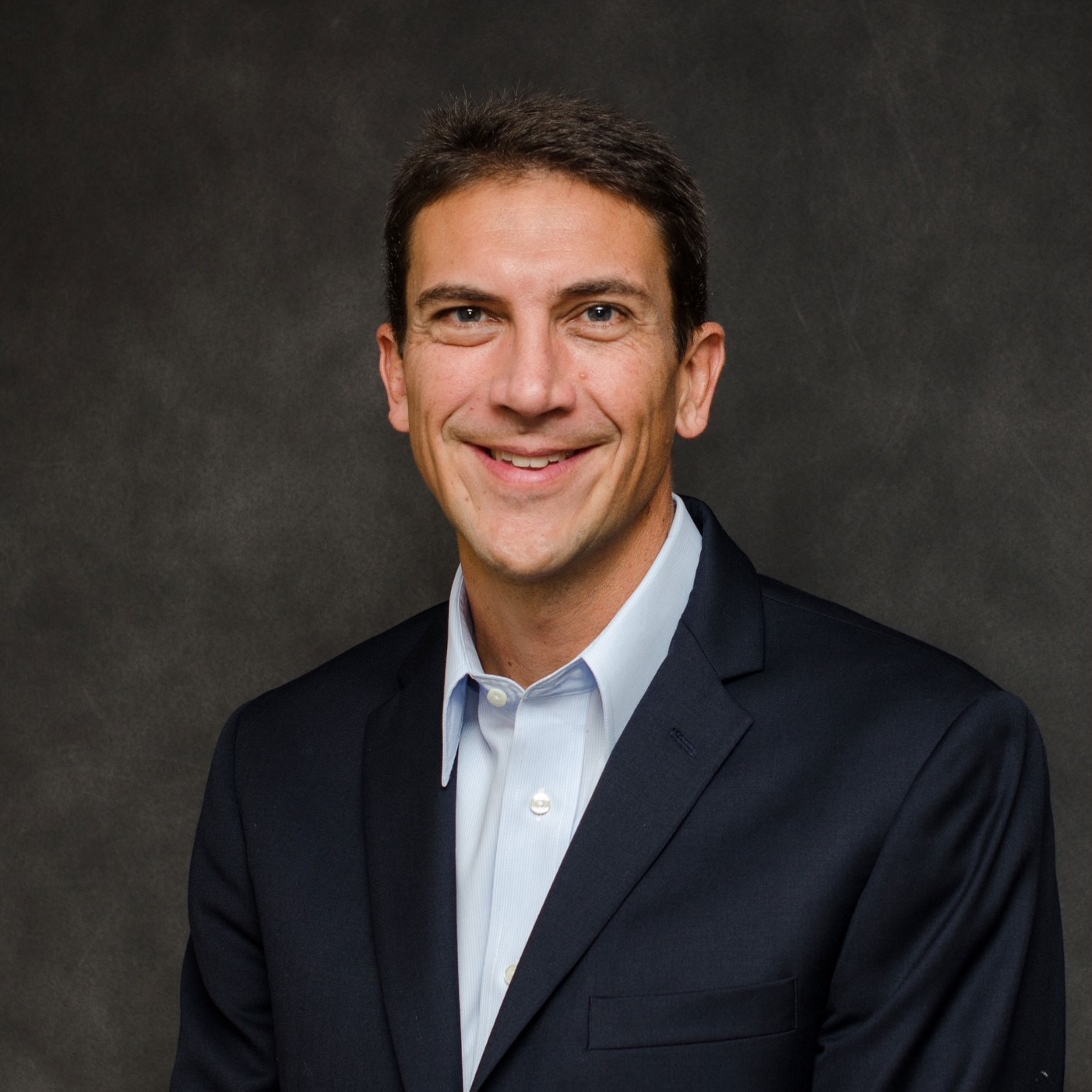
Nigel Burmeister
APEX & Multicloud Portfolio Marketing Lead at Dell Technologies
Nigel leads Dell Technologies’ APEX and multicloud portfolio marketing efforts. Prior to joining Dell, Nigel served in a variety of leadership roles across product marketing, product management and global marketing in the technology industry. He has over 20 years of product marketing, product management and business operations experience in large tech companies as well as venture-backed startups.
The future of technology belongs to thought leaders, trailblazers and trendsetters like you.
Join us at Dell Technologies Forum, our premier technology conference, to immerse yourself in the latest technology products and solutions, connect with industry pioneers and experts, and explore technical sessions customized to your experience. Register for your local event below.