$1034.96
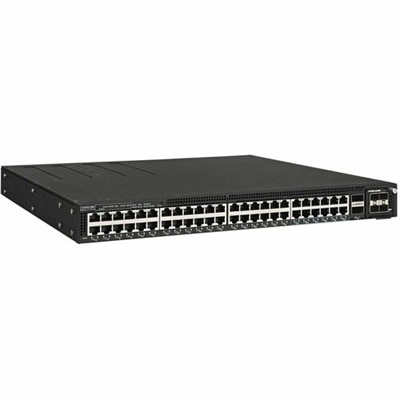
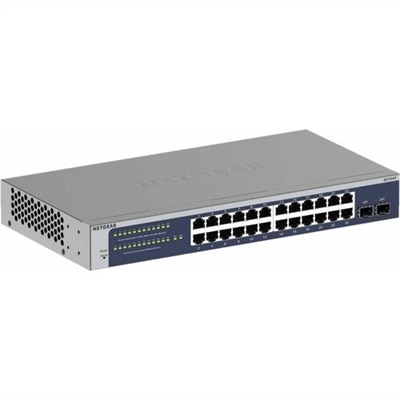
A rack-mountable switch offering high-speed connectivity and unified security for growing network demands.
48 port switches are designed to meet the demands of modern networks, offering ample connectivity for growing businesses and organizations. Ideal for managing multiple devices in offices, data centers, or classrooms, these switches provide a streamlined solution for expanding network capacity. Explore a wide selection of 48 port switches to find the right fit for your networking needs and ensure seamless communication across your entire infrastructure.
A rack-mountable switch offering high-speed connectivity and unified security for growing network demands.
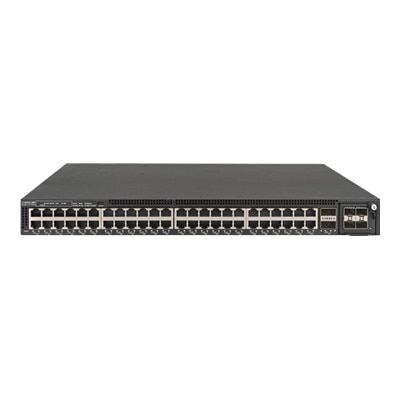
An enterprise stackable switch with 48 multigigabit ports, 90W PoE, and 100 GbE uplinks.
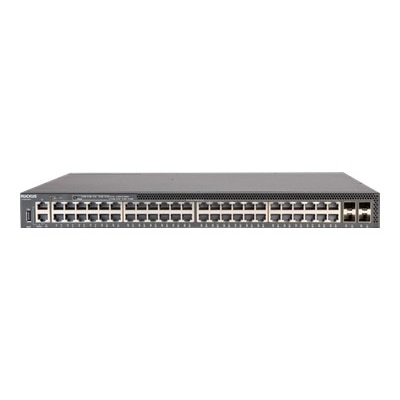
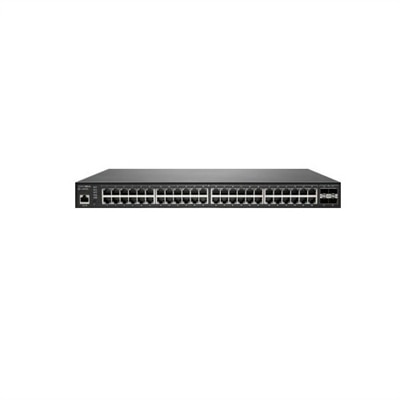
A feature-rich, rack-mountable switch ideal for small to medium businesses and SD-Branch deployments.
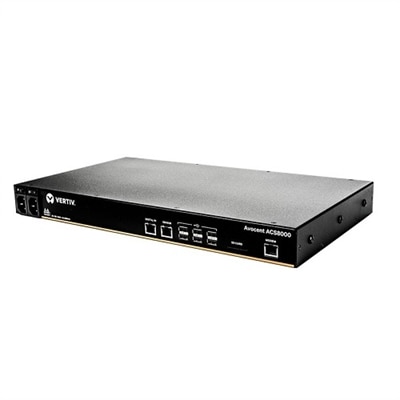
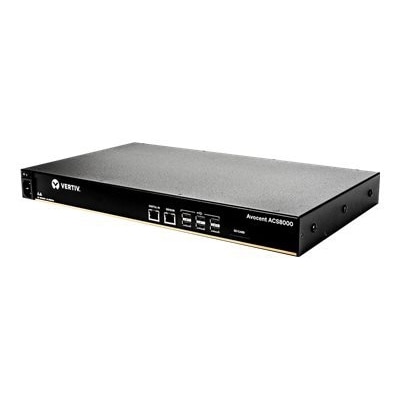
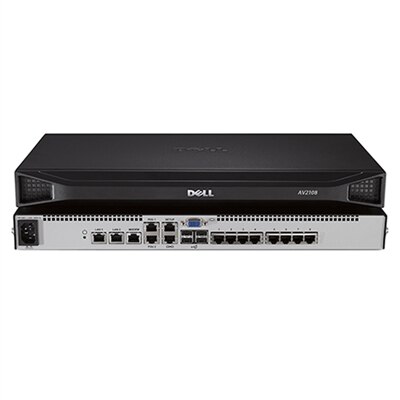
A 48-port console server with dual AC power for secure remote IT asset management.
A versatile enterprise switch offering up to 48 multigigabit ports and 90W PoE for Wi-Fi 6.
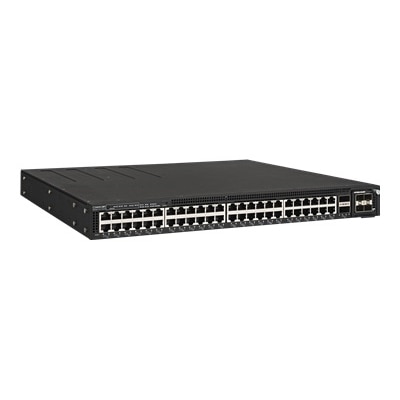
A black rack-mountable Ethernet switch offering 48 multigigabit ports and 90 watts PoE per port.
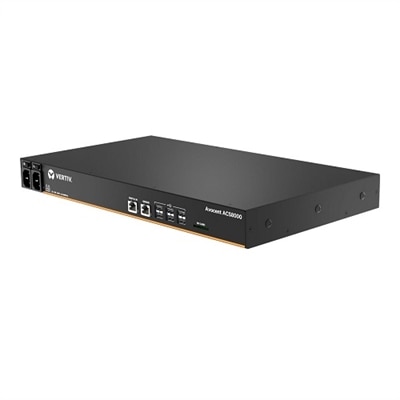
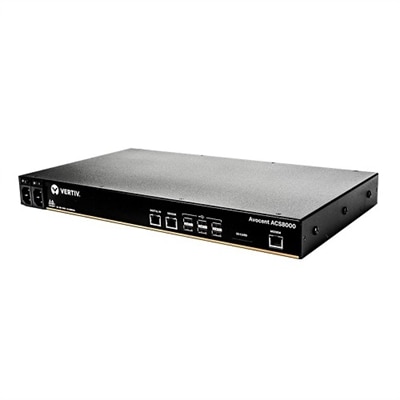
A 48-port rack-mountable console server with dual AC power for secure remote IT management.
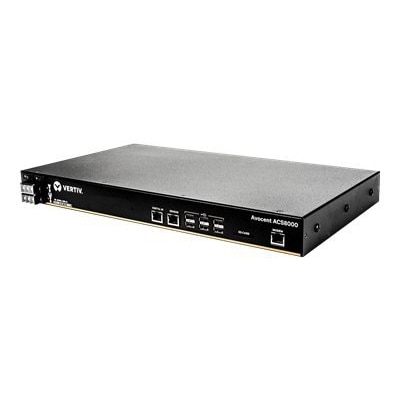
A rack-mountable console server with 48 ports, dual DC power, and an analog modem for secure management.
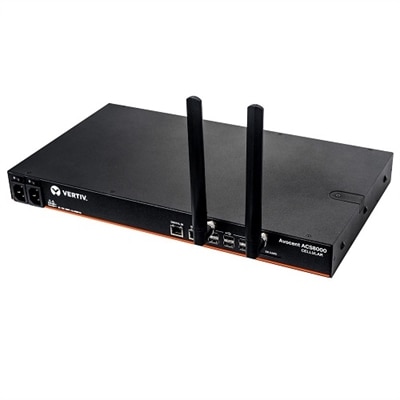
A secure 48-port serial console server with dual AC power and cellular failover capabilities.
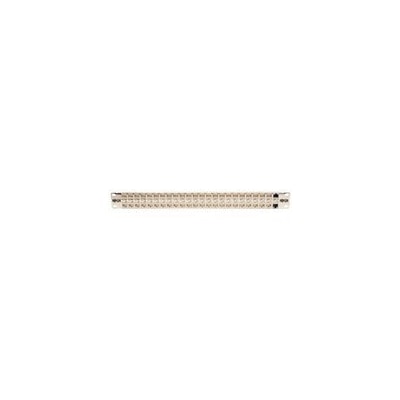
A rack-mountable patch panel with 48 shielded RJ45 ports for efficient high-density network cabling.
An intelligent, scalable Ethernet switch with up to 8x 25 GbE ports, PoE++, and advanced L2/L3 features.
An advanced 48-port console server with dual-core ARM processor and extensive connectivity options.
A rack-mountable console server offering secure remote management with 48 ports and dual AC power.
A 48 port switch is a cornerstone for building robust, high-capacity networks, making it an essential piece of hardware for a wide range of environments where multiple devices require seamless connectivity. As the weather warms and offices, schools, and creative spaces bustle with activity, the demand for reliable, high-speed networking becomes especially apparent. Whether you’re supporting a growing small business, managing a busy classroom, or equipping a collaborative workspace, a network switch 48 port model provides the backbone for connecting computers, IP phones, security cameras, printers, and wireless access points. The versatility of these switches extends from simple plug-and-play unmanaged models—ideal for straightforward setups with minimal configuration—to feature-rich managed switches that offer advanced control over VLANs, Quality of Service (QoS), and network security. Managed switches are particularly useful for IT professionals who need to segment traffic, prioritize bandwidth for critical applications, and monitor network health remotely. For those building out the infrastructure in larger offices or expanding a campus network, the flexibility and scalability of a dell 48 port switch or a dell switch 48 port variant can support future growth, ensuring that your network can adapt as new devices and technologies are introduced.
In today’s connected environments, the advantages of a 48 port fiber switch or a PoE-enabled model are especially valuable. Power over Ethernet (PoE) switches deliver both data and power over the same cable, streamlining installation for devices like surveillance cameras, VoIP phones, and wireless access points—no need for separate power supplies or outlets. This feature is a game-changer for organizations looking to simplify network expansion or deploy devices in hard-to-reach locations. Uplink options, such as SFP or SFP+ ports, allow for high-speed fiber connections to other switches or routers, providing the bandwidth needed for data-intensive applications and smooth performance even as network traffic increases during busy periods. Rack-mountable designs with efficient cooling and robust construction ensure that these switches fit seamlessly into server rooms or network closets, while fanless or low-noise options are ideal for spaces where quiet operation is a priority. As you plan your network, it’s wise to consider factors like total PoE budget, port speed (with many models supporting Gigabit or even 10Gbps connections), and throughput to avoid bottlenecks and ensure non-blocking performance. For those with smaller networks or looking for a step down in capacity, exploring options like 16 Port Switches can provide a tailored solution without sacrificing quality or reliability.
A 48 port switch is not only a practical investment for IT professionals and network administrators but can also be a thoughtful gift for tech enthusiasts, home office power users, or anyone embarking on a smart home project requiring centralized device management. As collaborative projects ramp up and organizations prepare for the demands of the coming months, the right network switch 48 port solution ensures everyone stays connected—whether it’s supporting remote learning, powering conference rooms, or enabling seamless video streaming and cloud access. With the right switch in place, your network is ready to handle the challenges of today and the innovations of tomorrow, delivering reliable connectivity and performance for every device and user.
A 48 port switch provides extensive connectivity, allowing numerous devices such as computers, printers, IP phones, and cameras to connect to the same network. This is especially beneficial for growing businesses or educational campuses where scalability and centralized management are important. With options for advanced management features, Power over Ethernet (PoE), and high-speed uplinks, these switches offer flexibility and performance for demanding network environments.
Power over Ethernet (PoE) enables the switch to deliver both data and electrical power through the same Ethernet cable. This simplifies installation of devices like IP cameras, wireless access points, and VoIP phones by eliminating the need for separate power supplies, reducing cable clutter, and streamlining network expansion—especially useful in office renovations or new building deployments.
Managed 48 port switches offer advanced features such as VLAN support, traffic prioritization (QoS), network monitoring, and enhanced security controls, making them suitable for complex or high-traffic networks. Unmanaged switches provide basic connectivity with plug-and-play simplicity, ideal for environments where minimal configuration is needed and network traffic is straightforward.
Yes, many 48 port switches feature Gigabit Ethernet ports, and some models offer multi-gigabit or 10Gbps uplink options through SFP+ ports. This ensures sufficient bandwidth for data-intensive applications like video conferencing, large file transfers, and multimedia streaming, supporting smooth and reliable performance across all connected devices.
When planning for network expansion, consider factors such as available port speed, PoE budget for powered devices, uplink capacity for connecting to other switches or routers, and support for advanced management features. Ensuring your switch has non-blocking architecture and ample capacity will help accommodate additional users and devices as your organization grows.
Add the products you would like to compare, and quickly determine which is best for your needs.