$199.99
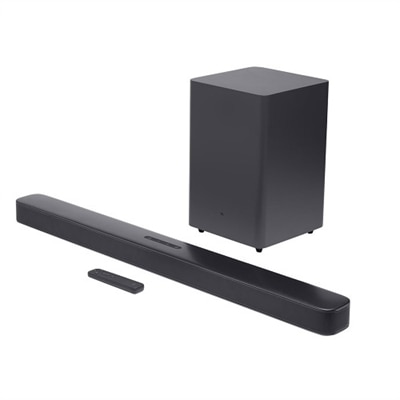
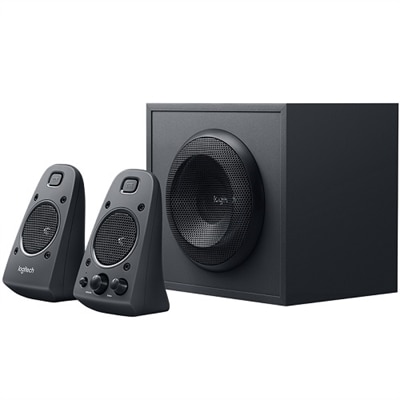
A black THX-certified 2.1 speaker system delivering immersive audio with deep bass and multiple device connectivity.
Elevate your entertainment experience with home theater speakers designed to deliver immersive sound for movies, music, and gaming. Whether you're creating a dedicated media room or enhancing your living space, the right home theater speakers can bring every scene and song to life. Explore a wide selection of options to find the perfect match for your setup and enjoy rich, dynamic audio that transforms the way you listen and watch.
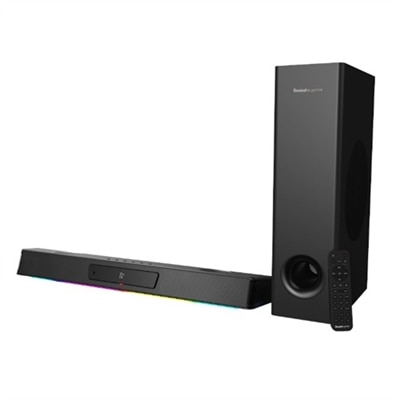
A black THX-certified 2.1 speaker system delivering immersive audio with deep bass and multiple device connectivity.
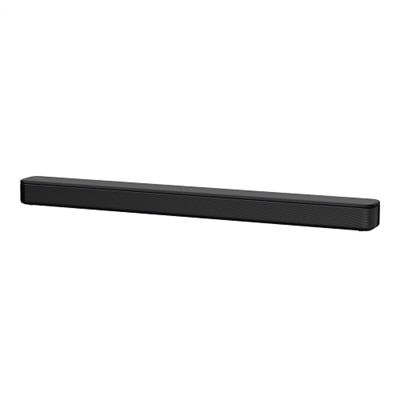
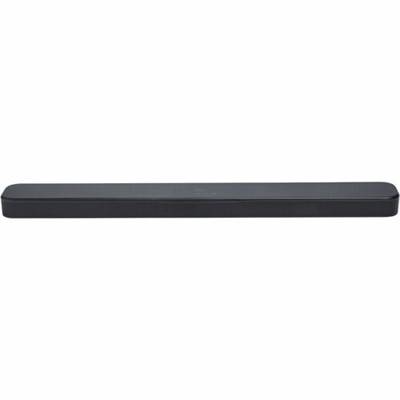
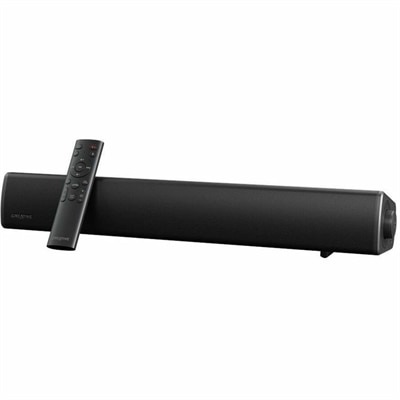
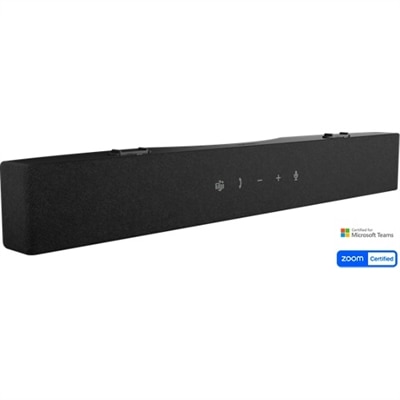
A slim 2.0 channel sound bar with Bluetooth, HDMI ARC, and Bass Reflex for enhanced audio.
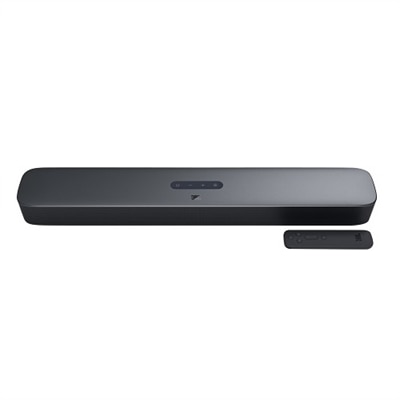
A compact black soundbar offering 80W output, Bluetooth connectivity, and Dolby Digital surround sound.
A compact soundbar delivering 300W of JBL signature sound with Bluetooth and Dolby Digital for immersive audio.
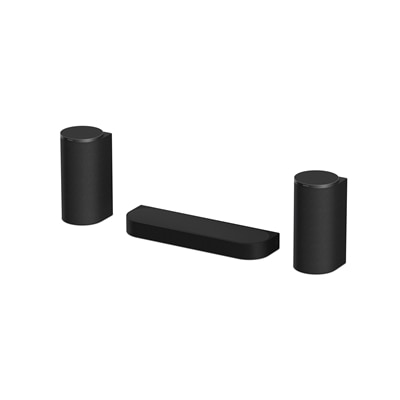
A pair of wireless rear speakers with up-firing drivers and 360 Spatial Sound Mapping for immersive audio.
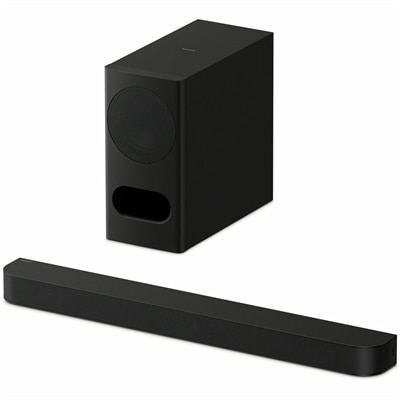
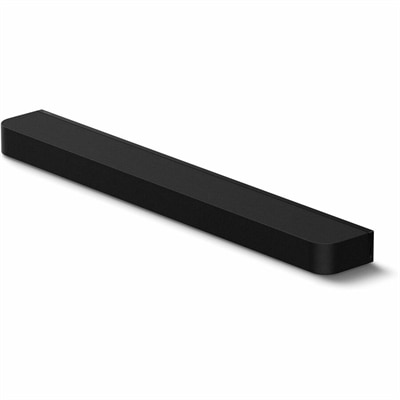
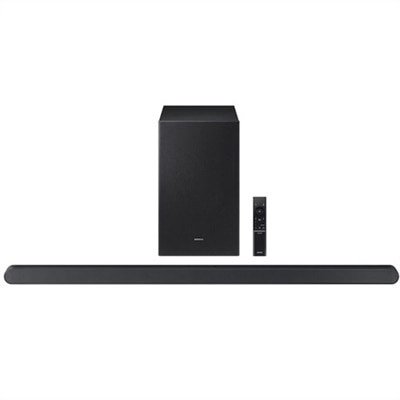
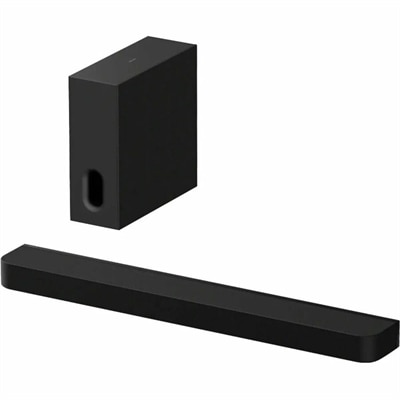
A 3.1-channel soundbar with wireless subwoofer delivers immersive surround sound, powerful bass, and clear dialogue.
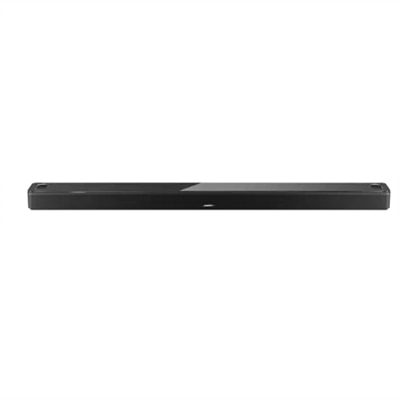
A black Bluetooth sound bar delivering 450W RMS, Dolby Atmos, MultiBeam 3.0, and voice assistant support.
A black soundbar with Dolby Atmos and TrueSpace for an immersive spatial audio experience.
A black 3.1.2-channel Bluetooth subwoofer system delivering cinematic surround sound with Dolby Atmos and DTS:X support.
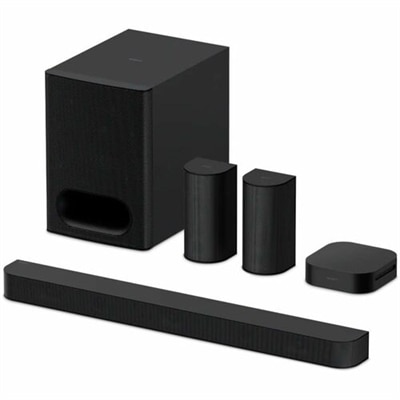
A black 5.1-channel Bluetooth subwoofer system delivering immersive surround sound with Dolby Atmos and DTS:X support.
A compact soundbar with 9 speakers, up-firing units, and 360 Spatial Sound Mapping for immersive audio.
A black Bluetooth soundbar with tri-amplified drivers, compact subwoofer, RGB lighting, and Dolby Audio support.
An ultra-slim Bluetooth soundbar with 3.1.2 channel Dolby Atmos, wireless connectivity, and smart voice integration.
A sleek surround sound system with 9 speakers, 360 Spatial Sound Mapping, and a slim subwoofer for deep bass.
A three-unit home theater system with 9 speakers and Dolby Atmos/DTS:X for immersive cinematic sound.
A portable black bass module delivering powerful low-end performance with a slim design and versatile connectivity.
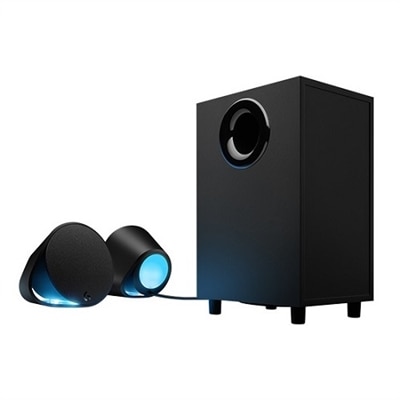
A black 2.1 speaker system with RGB lighting, 240W power, and Bluetooth connectivity for immersive gaming.
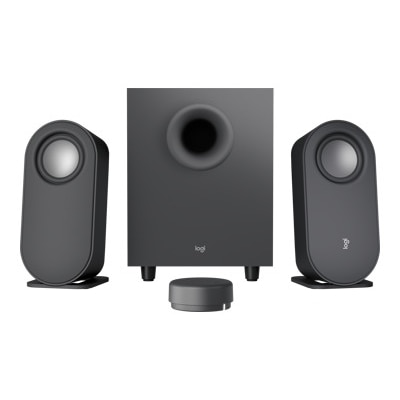
A black Bluetooth speaker system with subwoofer, wireless control dial, deep bass, and versatile connectivity options.
A black Bluetooth speaker system delivering 30W RMS with enhanced dialog clarity, surround sound, and deep bass.
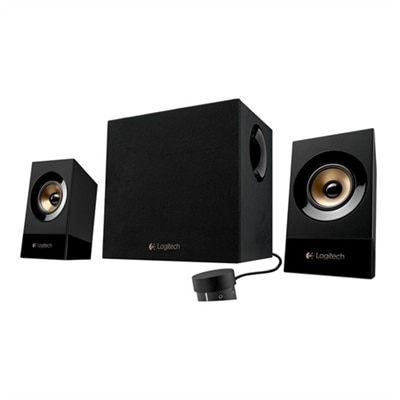
A 2.1-channel speaker system delivering 60-watt sound with dynamic bass and multiple device connectivity options.
A black Bluetooth speaker system with immersive Dolby Atmos sound, dynamic lightshow, and splash-proof design.
A compact Bluetooth speaker system delivering rich, full-range audio with wired or wireless connectivity.
A retro-styled speaker with deep bass, voice assistants, and versatile connectivity for powerful sound.
A black Bluetooth sound bar with 60W RMS output, RGB lighting, deep bass, and versatile connectivity options.
Home theater speakers bring the sound of movies, shows, music, and games into the room with greater depth and definition than the built-in speakers on most televisions. Instead of hearing dialogue, music, and effects blend into a narrow space beneath the screen, a dedicated speaker arrangement can place each element around you: a voice anchored near the action on screen, a soundtrack spreading across the room, or the soft movement of rain and footsteps emerging from behind your seating area. A standard 5.1-channel setup remains a practical balance of immersion, simplicity, and flexibility for many homes. In this arrangement, the front left and right speakers handle much of the music, score, and directional action; the center-channel speaker helps keep spoken words clear and focused; surround speakers add ambient effects from the sides or rear; and a powered subwoofer creates the low-frequency impact behind explosions, drums, engines, and cinematic sound design. Shoppers with smaller rooms may prefer compact bookshelf-style speakers or a space-conscious surround package, while larger rooms can accommodate wider cabinets or floor-standing speakers that project sound across a broader listening area. For an even more enveloping presentation, some systems support additional height channels that reproduce overhead effects, helping create the impression of sound moving above the seating position. A home theater speaker setup can be especially useful in a family room, finished basement, apartment media space, or dedicated viewing room where people gather during cooler months for movie nights, live performances, sports, and story-driven games. It can also make a thoughtful gift for someone who enjoys hosting, listens to music while relaxing at home, or has recently upgraded to a larger television but wants the audio to match the screen’s improved picture quality. The right choice depends on the room as much as the equipment: an open-concept space may benefit from speakers with broad, even sound, while a smaller enclosed room may call for a compact configuration that delivers clarity without overwhelming the listener.
Before choosing home theater speakers, consider the room’s dimensions, layout, seating position, and available connection options. Begin by identifying where the television or display will sit and where listeners will spend most of their time. The center channel should generally be placed directly above or below the screen and aimed toward ear level so dialogue sounds as though it is coming from the actors rather than from somewhere below the picture. Front left and right speakers should sit on either side of the display with enough separation to create a convincing stereo image, while surround speakers are commonly positioned beside or slightly behind the main seating area. Keeping the speakers at a similar height and aiming them toward the listening position can help maintain a balanced soundstage, though the best placement may vary with the shape of the room and the location of doors, windows, and furniture. A powered subwoofer is more flexible because low frequencies are less directional, but its position still affects how full and even the bass feels from one seat to another. A little experimentation can make a noticeable difference; moving a subwoofer a short distance, adjusting the angle of a speaker, or creating more space between a cabinet and the wall may change the character of the sound. Pay attention to speaker size, power handling, sensitivity, and compatibility with the audio equipment already in the room. Some shoppers prefer an all-in-one package that simplifies matching the channels, while others want a modular setup that can be expanded gradually as their space, listening habits, or budget changes. A complete [Surround Sound Home Theater Systems] setup may be a convenient starting point for a coordinated experience, especially when the package includes the necessary channels for a familiar surround arrangement. For a more customized approach, separate front, center, surround, and bass components can be selected according to the room and the type of content played most often. Check the dimensions carefully before ordering, including the height of a center speaker beneath a screen, the width of front speakers beside a media console, and the clearance needed for rear or side placement. Wireless connectivity can reduce visible cable runs in some configurations, while wired connections may appeal to listeners who prioritize a stable, dedicated installation. Also consider whether the system will be used for streaming, game consoles, broadcast programming, physical media, or music playback, since each source can benefit from clear dialogue, accurate directional effects, or deeper bass.
The listening experience is shaped by more than technical specifications. A speaker system should fit naturally into the way the household uses the room, whether that means quiet evening viewing, lively group entertainment, or focused listening after a long day. For dialogue-heavy dramas, documentaries, and news programming, a well-positioned center channel and balanced tonal response can make voices easier to follow without constantly reaching for the volume control. For action films and games, surround speakers and a capable subwoofer can give movement and impact a stronger sense of scale, from a vehicle passing across the room to distant thunder rolling through a storm sequence. Music listeners may value front speakers that create a wide, detailed image and preserve the texture of vocals and instruments at moderate volume. Those who share walls or live in an apartment may prefer controlled bass and compact speakers that deliver detail without requiring high output, while a larger dedicated room can take advantage of additional channels and greater separation between speakers. During the cooler months, a thoughtfully arranged home theater can become a comfortable gathering place, with clear sound carrying through a room without demanding that everyone sit directly in front of the display. It can also support everyday uses such as listening to podcasts, following concert recordings, playing casual games, or adding atmosphere to a family movie night. When setting up the system, use sturdy stands or secure wall mounts where appropriate, keep cables organized and away from walking paths, and leave ventilation around connected audio equipment. Many modern systems include calibration tools that measure the room and adjust timing or volume between channels; these features can be helpful, but careful physical placement remains important. Choose a finish and cabinet profile that complement the furniture, and think about how the system may grow over time if a larger room, new display, or additional audio format becomes part of the plan. With the right combination of channel layout, room placement, connectivity, and listening priorities, home theater speakers can turn familiar content into a more involving experience while remaining practical for everyday entertainment.
Add the products you would like to compare, and quickly determine which is best for your needs.