Surge Protectors
Safeguard your valuable electronics with our range of surge protectors, designed to offer peace of mind and reliable defense against unexpected power surges. Whether you're setting up a home office, gaming station, or entertainment center, surge protectors are essential for maintaining the longevity and performance of your devices. Explore options that cater to various needs, ensuring your equipment stays protected while you focus on productivity and enjoyment. With a variety of designs and configurations available, finding the perfect solution for your space has never been easier.
This product is not available
Check out the following recommendations.
Related Products
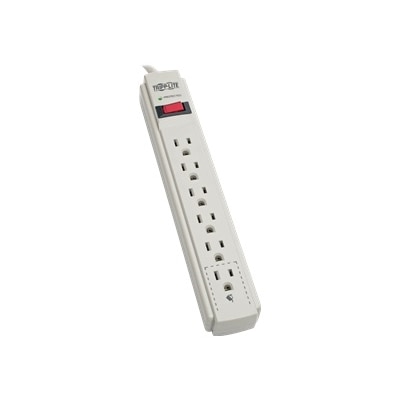
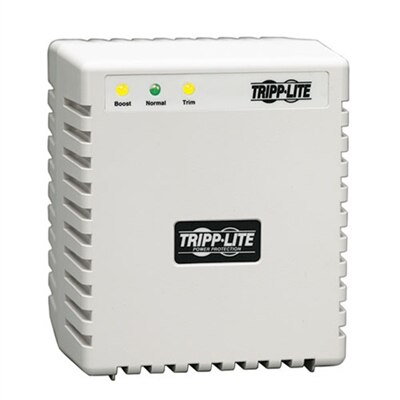
Surge Protectors
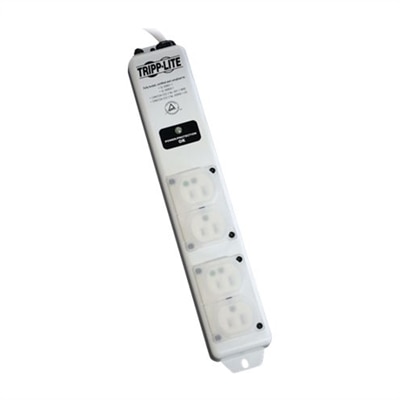
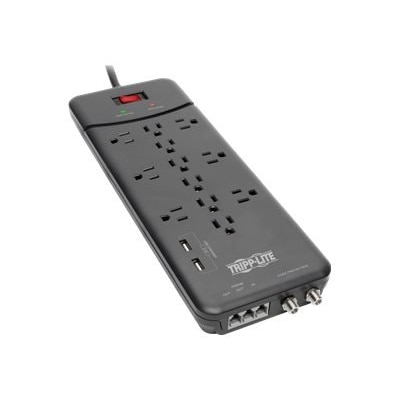
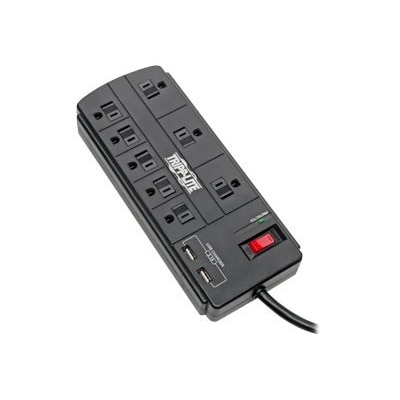
Surge protectors help safeguard connected electronics from sudden increases in electrical voltage. A spike can occur when lightning reaches a nearby power line, when utility equipment switches over, or when a high-draw appliance starts and stops. These events may last only a fraction of a second, yet they can place damaging stress on sensitive components in laptops, desktops, monitors, displays, game consoles, printers, and other everyday electronics. A surge protector is designed to absorb or redirect excess electrical energy so it does not travel directly into the devices connected to it. Most plug-in models use metal-oxide varistors, commonly called MOVs, to detect an increase in voltage and divert the extra current toward the grounding path. That function makes a surge protector different from a basic power strip. A power strip may provide additional outlets and a convenient on/off switch, but it does not necessarily include circuitry that limits voltage spikes. When comparing options, look for clear surge-protection specifications, including a joule rating, response information, a protected-status indicator, and the number and arrangement of outlets needed for your space. The joule rating describes how much energy the internal components can absorb over time. A higher rating generally indicates greater capacity, making it a practical consideration for a computer workstation or entertainment area with several valuable devices. Protection is most effective when the wall outlet is properly grounded, so homes with older or uncertain wiring may benefit from an inspection by a qualified electrician.
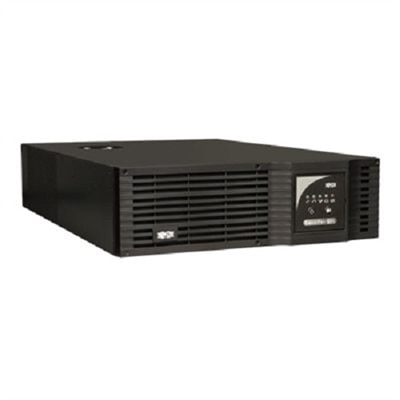
The right format depends on how and where the electronics are used. A corded power-strip style protector works well beside a desk, behind a television stand, or under a work surface where several devices need to share one wall outlet. Look for enough spacing between outlets for large power adapters, along with a cord length that can reach the outlet without stretching across a walkway. A wall-tap design plugs directly into the receptacle and can be useful in a compact office, dorm room, kitchen counter area, or travel setup where a dangling cord would be inconvenient. Some models include USB charging ports, coaxial or telephone-line protection, an illuminated switch, mounting holes, or an automatic shutoff feature. Choose only the connections that match the equipment in use, since unused features should not outweigh the fundamentals of capacity, placement, and protection status. For a desktop computer, monitor, speakers, external drives, and accessories arranged together, a protector with ample outlets and a substantial joule rating can simplify cable management while adding a layer of defense against electrical disturbances. A laptop often benefits from protection while its charger is connected at a desk or home office, even though its internal battery may provide limited flexibility during a brief interruption. For more information about protecting a computer setup, explore Power Protection for Computers. A surge protector does not keep equipment running during an outage, and it cannot correct every wiring problem. If uninterrupted operation matters, an uninterruptible power supply, or UPS, combines surge protection with a battery that can provide temporary power, giving you time to save work and shut down connected electronics properly. For broader property protection, whole-home systems are installed at the electrical panel by a licensed professional and are distinct from plug-in devices intended for individual rooms.
Surge protection is useful anywhere modern electronics gather: a home office with a desktop and monitor, a family room with a display and streaming accessories, a gaming area with a console and screen, or a study corner where a laptop, printer, and charging equipment share limited outlet space. It can also be a thoughtful practical gift for someone moving into a new apartment, building a first workspace, returning to school, or setting up a home entertainment area. The most helpful choice reflects the recipient’s routine rather than simply the largest number of outlets. Someone who works from home may appreciate spaced outlets, a long cord, and a prominent indicator that confirms protection remains active. Someone with a compact desk may prefer a low-profile wall-mounted design. For a shared media area, consider the combined plug count, cord reach, and room for bulky adapters. Keep the protector accessible rather than burying it beneath rugs, furniture, or tightly packed cables, and avoid connecting one power strip or surge protector into another. Periodically check the protected light or status display; if it goes dark, the unit may still distribute power but its surge-suppression components may have reached the end of their useful life. Plug-in protectors can also wear down after absorbing a significant event, even if the connected electronics appear unaffected, so replacement is sensible after a known major surge and commonly considered within a three- to five-year interval depending on use and manufacturer guidance. Keep equipment loads within the stated electrical limits, leave ventilation openings clear, and replace any unit showing heat damage, cracked housing, frayed wiring, or a loose plug. With the appropriate format, capacity, and features, a surge protector can make a workspace or entertainment setup easier to organize while helping reduce the risk posed by brief, unpredictable voltage spikes.
FAQs:
A surge protector is designed to shield electronic devices from voltage spikes and power surges, often caused by lightning or fluctuations in your electrical system. In contrast, an extension cord simply provides additional outlets and does not offer any built-in protection against electrical surges. Using a surge protector is essential for safeguarding sensitive electronics, while an extension cord is best for temporary or low-risk power extension needs.
Most surge protectors have indicator lights that signal their operational status. When the indicator shows that protection is no longer active, it’s time to replace the unit. Even if the indicator is still on, experts recommend replacing surge protectors every three to five years, as their protective components can degrade over time, especially after repeated power surges.
Yes, surge protectors are versatile and can be used with a wide range of electronics, including gaming consoles, printers, smart home devices, routers, and kitchen appliances. Any device that could be damaged by a sudden spike in voltage can benefit from being plugged into a surge protector.
Absolutely. Surge protectors come in various designs to suit different environments, such as those with rotating outlets for bulky adapters, units with USB ports for charging mobile devices, and specialized options like vertical power strips for tight or unique spaces. Choosing the right design can help maximize both protection and convenience for your setup.
It is generally not recommended to daisy-chain surge protectors by plugging one into another. Doing so can overload the electrical circuit, reduce the effectiveness of the surge protection, and may violate local electrical codes. For setups requiring more outlets, consider choosing a surge protector with a higher outlet count or using solutions like vertical power strips.