$329.99
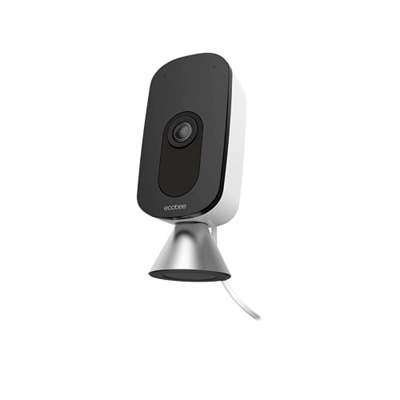
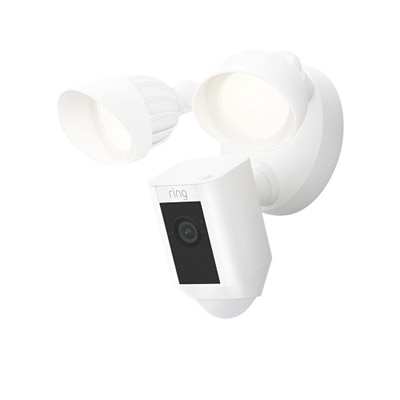
A versatile snow-colored security camera with HDR, night vision, and customizable alerts for indoor/outdoor use.
Indoor surveillance camera systems offer a reliable way to keep an eye on your home or business, providing peace of mind whether you’re nearby or away. Designed for easy integration into your existing setup, these systems help you monitor activity and enhance security throughout your indoor spaces. Explore a range of options to find indoor surveillance camera systems that fit your needs, from compact models for discreet placement to comprehensive solutions for larger areas. With user-friendly installation and flexible configurations, upgrading your security has never been more convenient.
A versatile snow-colored security camera with HDR, night vision, and customizable alerts for indoor/outdoor use.
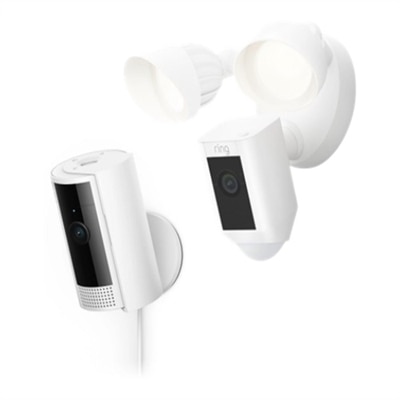
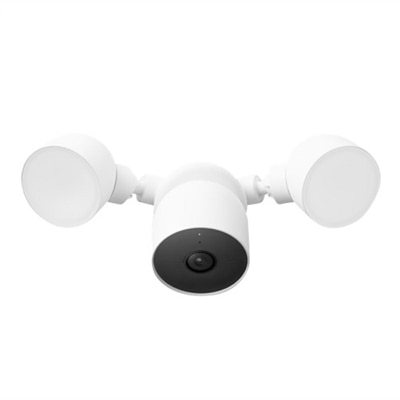
A white floodlight and indoor camera set offering 1080p HD video, color night vision, and privacy cover.
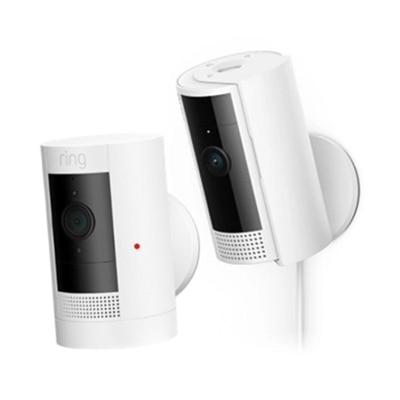
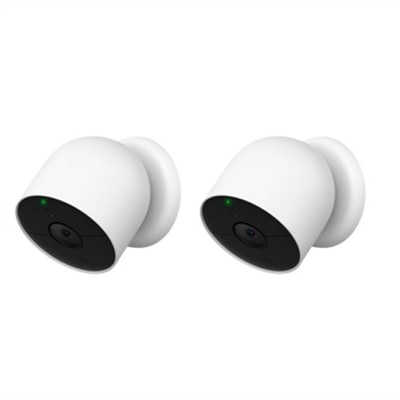
A versatile security camera set with 1080p HD video, color night vision, and a wire-free design.
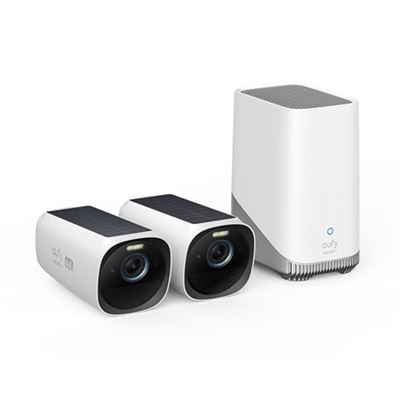
A versatile 4K camera with two-way audio, weatherproof design, and voice assistant compatibility.
Indoor surveillance camera systems provide a practical way to keep an eye on important areas of a home, apartment, office or small business from a smartphone, tablet or computer. A well-placed camera can show whether a package has arrived, help you check on a pet during a long day, provide visibility into a home office or entryway and make it easier to stay connected with family members who may need occasional assistance. During the cooler months, when people spend more time indoors and windows and doors may remain closed, an indoor camera can add useful awareness without requiring a complicated installation. Many systems are designed for do-it-yourself setup, with compact cameras that sit on a shelf, mount to a wall or rest on a desk near a power outlet. Before choosing one, consider the room’s layout, the camera’s viewing angle and the distance between the device and the areas you want to see. A wide-angle lens may cover a living room or open workspace from a single position, while a pan-and-tilt model can rotate across a larger room and follow activity more effectively. Some models also provide zoom, allowing you to examine details without moving the camera. For a nursery, hallway or home office, a fixed camera may be all that is needed. For a shared family room, retail counter or large workspace, remote pan and tilt can help reduce blind spots. Indoor cameras can also complement IP Surveillance Camera Systems when a property requires broader coverage beyond individual rooms.
Image quality is another important consideration. Full HD resolution is often suitable for everyday monitoring, while higher-resolution video can make faces, labels and other fine details easier to recognize, particularly in a well-lit room. Resolution alone does not determine image quality; look for cameras with balanced performance in bright and dim conditions, especially if the room changes from daylight to lamplight throughout the day. Infrared or low-light viewing can help maintain visibility after dark, although the results depend on the room, distance and available light. Smart motion detection can make an indoor surveillance camera system more useful by sending notifications when movement occurs instead of recording every passing shadow. More advanced detection may distinguish between people, pets and general motion, helping reduce unnecessary alerts when a cat crosses the floor or sunlight shifts across a wall. Notification controls are worth reviewing before purchase, since the ability to adjust sensitivity, activity zones and alert schedules can make the difference between helpful updates and an overflowing phone. Two-way audio is useful for speaking with someone in another room, reminding a pet to stay off furniture or communicating with a delivery person near an interior access point. Some cameras include built-in sirens or visual indicators, while others focus on quiet monitoring. Storage is equally important. Cloud storage can make recordings available remotely and may offer event history, backup and convenient sharing, but it commonly involves a recurring service plan and account management. Local storage, such as a memory card or compatible hub, can reduce reliance on a subscription and keep recordings within the home, though it may require more hands-on management. Review how long footage is retained, whether recordings are encrypted, how accounts are protected and which features require an ongoing service.
The right indoor surveillance camera system depends on the people, pets, spaces and routines it is intended to support. A remote worker may use one to check the front room while concentrating in a home office, while a pet owner may want a clear view of a feeding area, crate or favorite window perch. Families can use indoor cameras to check on sleeping children or older relatives, provided everyone understands where cameras are located and how recordings are handled. Small-business owners may place them near entrances, inventory areas or customer-facing spaces, while apartment residents may prefer compact designs that can be removed without leaving permanent marks. These systems can also be thoughtful gifts for someone moving into a new home, welcoming a pet or setting up a home office, especially when simple installation and mobile access are priorities. Camera placement should respect privacy: avoid bedrooms, bathrooms and other areas where people reasonably expect personal space, and discuss monitoring with household members, guests, employees or caregivers as appropriate. Check local laws and workplace policies before recording audio or sharing footage. A strong wireless connection is important for live viewing and alerts, but wired Ethernet options may be preferable in locations where dependable connectivity matters most. It is also helpful to confirm compatibility with the devices used for monitoring, the available power outlets and any smart-home platform already in place. As routines shift between brighter days and longer evenings, features such as night vision, adjustable notifications and dependable remote access can provide lasting value. By comparing coverage, video quality, audio, storage, privacy controls, connectivity and installation requirements, shoppers can select an indoor surveillance camera system that fits naturally into daily life rather than adding unnecessary complexity.
Add the products you would like to compare, and quickly determine which is best for your needs.