$19.99
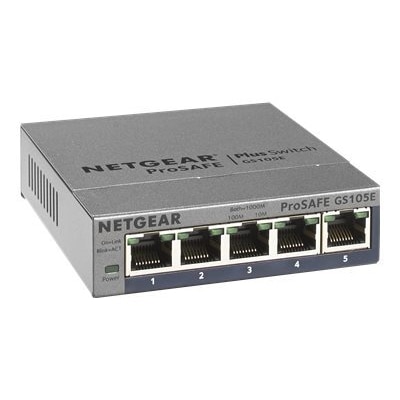
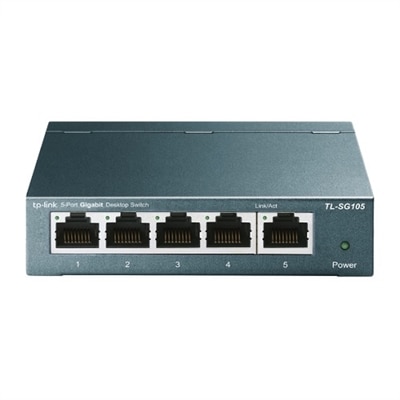
A 5-port Gigabit Ethernet switch with energy-efficient technology for eco-friendly home or office networking.
Unmanaged switches for home networks offer a straightforward way to expand connectivity and streamline device integration in any household setup. Ideal for users seeking simple, plug-and-play solutions, these switches help create reliable wired connections for computers, smart TVs, gaming consoles, and more. Explore a range of unmanaged switches for home networks designed to support seamless networking and keep your devices connected with ease.
A 5-port Gigabit Ethernet switch with energy-efficient technology for eco-friendly home or office networking.
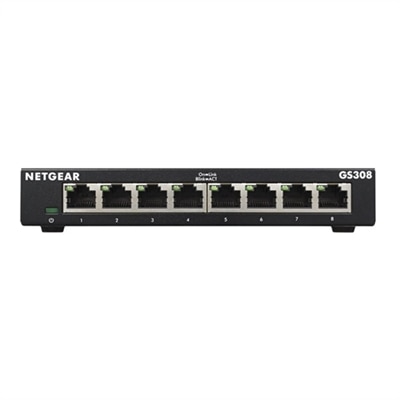
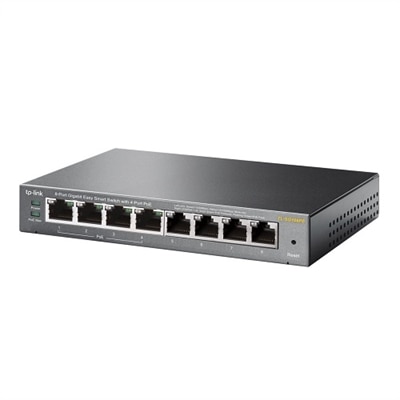
A black metal gigabit switch with 8 ports for efficient, eco-friendly network expansion and fast file transfers.
A durable, fanless Ethernet switch with PoE, offering silent operation and easy plug-and-play connectivity.
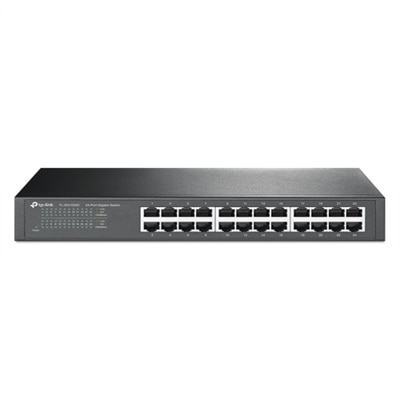
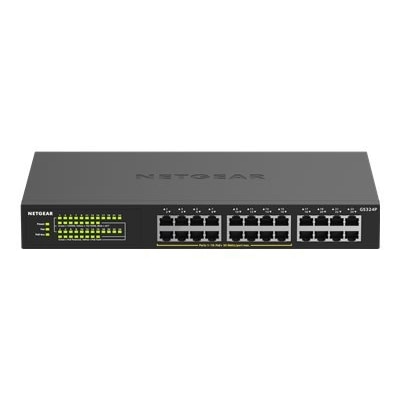
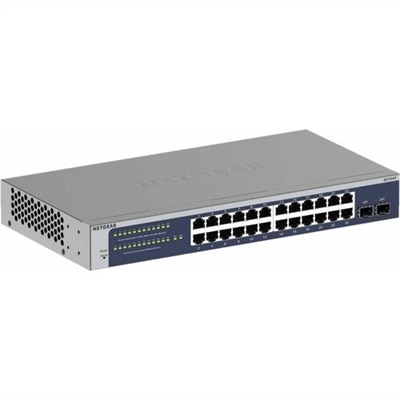
A 24-port Gigabit switch offering plug-and-play connectivity and energy-efficient technology for eco-friendly networking.
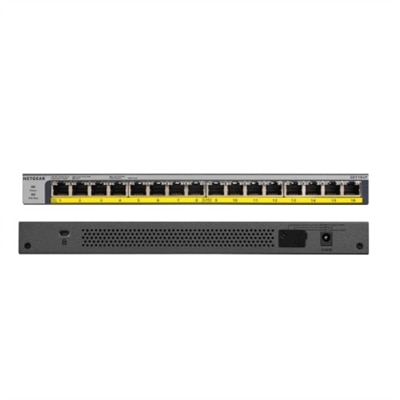
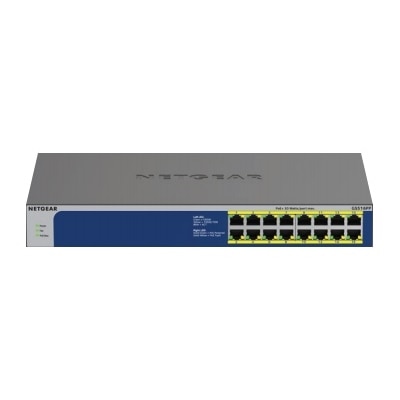
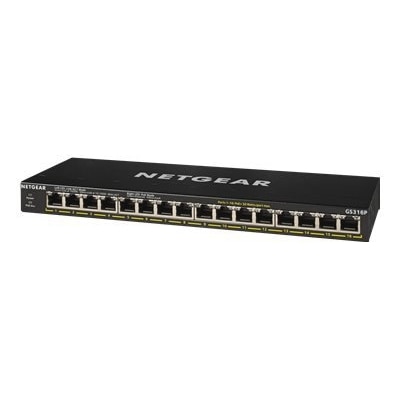
A compact, fanless 16-port switch with flexible 76W PoE budget for versatile networking needs.
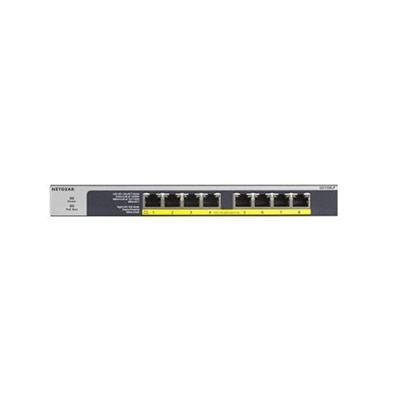
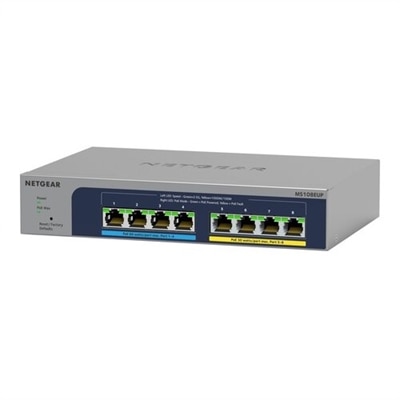
A versatile 8-port Gigabit Ethernet switch with flexible PoE budget and multiple mounting options.
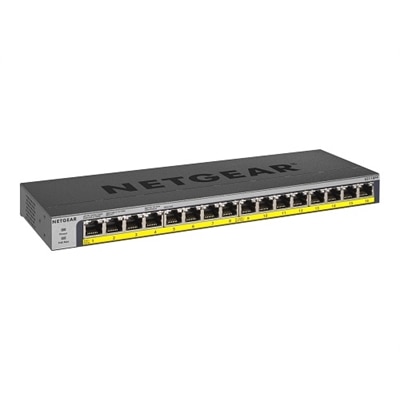
A compact, fanless 16-port switch with flexible 183W PoE+ for versatile power management.
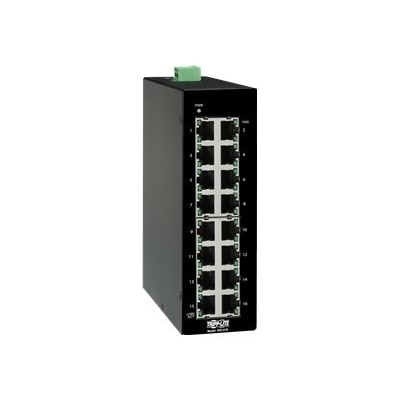
A rugged 16-port unmanaged Ethernet switch with metal housing, ideal for harsh industrial environments.
A 16-port unmanaged switch with high-power PoE+ support and a 260W power budget for flexible deployment.
A 16-port gigabit switch with intelligent management features and durable metal casing for optimal performance.
A desktop rack-mountable switch offering PoE for seamless connectivity to multiple network devices.
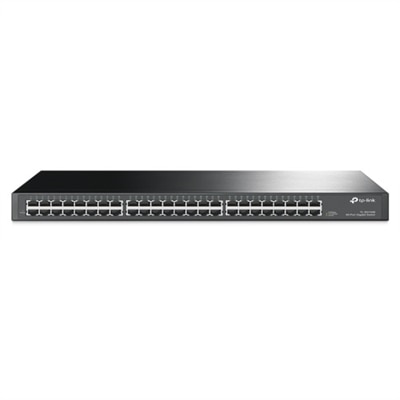
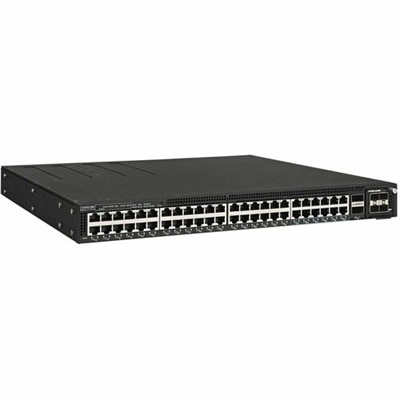
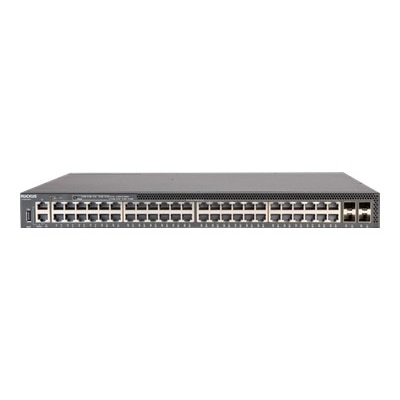
A 48-port Gigabit Ethernet switch for high-performance, seamless network upgrades to 1000Mbps.
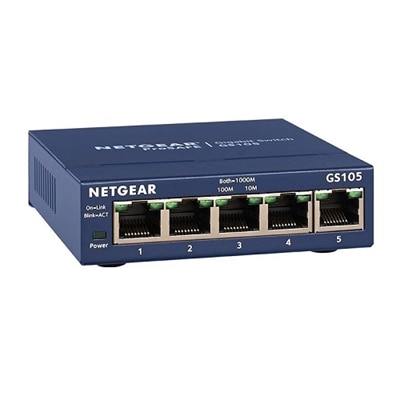
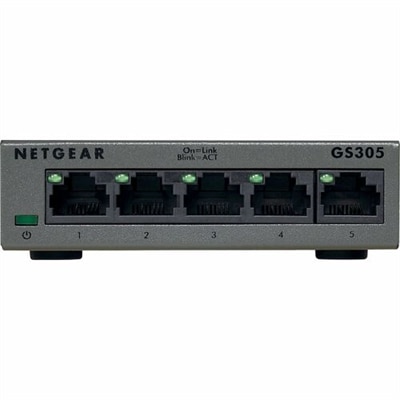
A compact, durable metal Ethernet switch with five auto-speed-sensing ports for seamless, silent networking.
A reliable, energy-efficient Ethernet switch with 8 ports, PoE support, and desktop wall-mountable design.
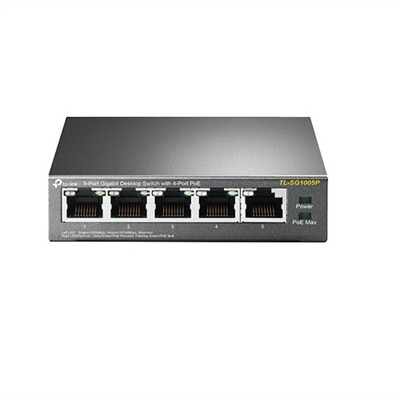
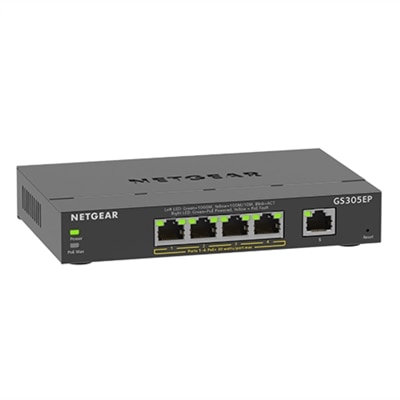
A 5-port Gigabit switch with 4 PoE ports, ideal for expanding networks without extra power lines.
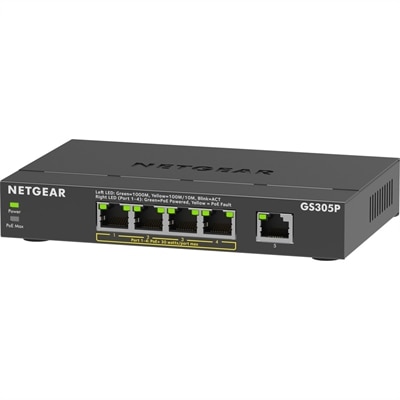
A fanless, energy-efficient Ethernet switch with PoE+ support, plug-and-play setup, and flexible power allocation.
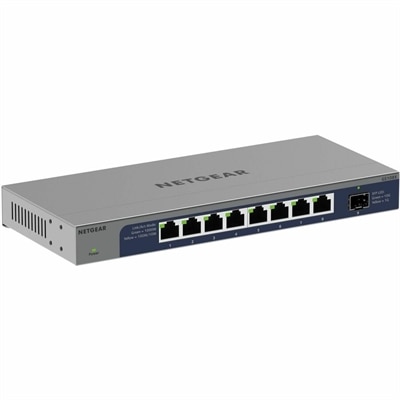
A compact, fanless Ethernet switch with eight 1G ports, a 10G SFP+ uplink, and durable metal housing.
An unmanaged Ethernet switch offering 183W PoE budget, ideal for expanding home or small office networks.
A fanless, energy-efficient Ethernet switch delivering reliable PoE+ connectivity for small business networks and devices.
A rack-mountable, fanless smart switch with 24 Gigabit Ethernet ports and cloud management capabilities.
A compact 8-port switch with 2.5G speed, PoE++ support, and advanced network management features.
A 5-port Gigabit Ethernet switch offering VLAN, QoS, and IGMP Snooping for optimized network performance.
A smart managed switch with 5 Gigabit ports, 4 PoE+ ports, and desktop or wall-mountable design.
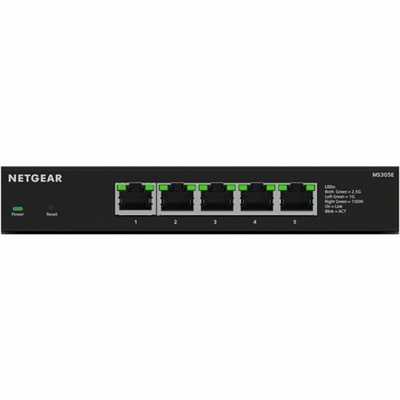
A fanless, metal-cased switch with five 2.5G Multi-Gig ports and intuitive web-based management.
For anyone looking to enhance the reliability and reach of their home network, an unmanaged switch is a straightforward, effective solution. These plug-and-play devices are designed to expand the number of wired connections available on your router, making them ideal for setups where multiple devices need a stable, high-speed internet connection. Whether you’re setting up a home office, building a gaming corner, or ensuring that every smart TV and streaming box in your living space stays seamlessly connected, an unmanaged ethernet switch can help keep your network running smoothly. As the weather warms and families spend more time streaming movies, video calling friends, or working from home, the need for a robust, wired connection becomes even more apparent. Unlike managed switches, these “dumb switches” require no configuration—simply connect the switch to your router, and you instantly gain additional ports for your devices. This simplicity makes them a great gift for new homeowners, college students moving into their first apartment, or anyone upgrading their home technology setup without the need for technical expertise.
When considering which unmanaged switch to bring into your home, take note of the port count that matches your needs. For most households, an 8 port non poe switch is a popular choice, offering enough capacity to connect desktop computers, printers, gaming consoles, and smart home hubs. If your devices don’t require Power over Ethernet (PoE), these non-PoE models are particularly cost-effective and energy-efficient. The fanless, silent operation of most unmanaged ethernet switches ensures they can be tucked away in a media cabinet, under a desk, or alongside a home entertainment center without adding noise or clutter. They’re also built to handle the constant demands of modern digital life, from marathon gaming sessions to large file transfers between computers. As families settle into routines during the cooler months or prepare for back-to-school transitions, a dependable wired network can make all the difference in productivity and entertainment. For those with more specialized needs or who are curious about industrial-grade solutions, exploring options like Unmanaged Industrial Ethernet Switches can provide even greater durability and performance for unique environments.
Choosing an unmanaged switch is about more than just adding ports—it’s about creating a network that adapts to your lifestyle. Whether you’re a remote worker who can’t afford dropped connections during important calls, a gamer seeking the lowest possible latency, or a parent looking to provide consistent access for online learning, these devices offer a reliable foundation. The beauty of the unmanaged switch lies in its simplicity: no software to install, no settings to tweak, just immediate and dependable connectivity. As technology evolves and the number of connected devices in the average home continues to grow, having an unmanaged ethernet switch on hand ensures your network can keep up without missing a beat. With their affordability, ease of use, and versatility, unmanaged switches remain a trusted choice for anyone looking to expand and stabilize their home network throughout the seasons.
An unmanaged switch is a simple, plug-and-play networking device that expands the number of wired Ethernet ports available in your home network. It requires no setup or configuration—just connect it to your router and plug in your devices. The switch automatically directs network traffic between connected devices, providing reliable and stable wired connections for things like computers, smart TVs, printers, and gaming consoles.
Unmanaged switches are ideal for anyone looking to connect multiple devices to their home network, including families, remote workers, gamers, and home entertainment enthusiasts. They are especially useful in homes where Wi-Fi coverage is inconsistent or where a stable, high-speed connection is needed for activities like video streaming, online gaming, or video conferencing.
You can connect a wide range of Ethernet-enabled devices to an unmanaged switch, such as desktop PCs, laptops, smart TVs, gaming consoles, streaming devices, network printers, and VoIP phones. Some models also support Power over Ethernet (PoE), allowing you to power compatible devices like security cameras and wireless access points directly through the network cable.
No setup or configuration is required for an unmanaged switch. Simply plug the switch into your router using an Ethernet cable, then connect your devices to the switch. The switch will automatically handle data traffic between all connected devices, making it a hassle-free solution for expanding your home network.
A dumb ethernet switch, also known as an unmanaged switch, operates without user configuration and provides straightforward connectivity for network devices. In contrast, a managed switch offers advanced features like traffic management, monitoring, and security settings, which are typically required in more complex or business environments. For most home users, an unmanaged switch offers the simplicity and reliability needed for everyday networking tasks.
Add the products you would like to compare, and quickly determine which is best for your needs.