$179.99
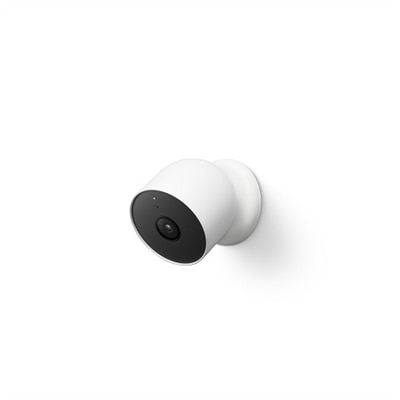
A versatile snow-colored security camera with HDR, night vision, and customizable smart alerts for any location.
Wireless home security cameras with night vision offer a convenient way to help safeguard your home around the clock. These advanced devices are designed to seamlessly integrate into your living space, providing peace of mind whether you’re at home or away. Explore a range of wireless home security cameras with night vision that combine modern technology and user-friendly features, making it easier to monitor your property in various lighting conditions. Find the ideal solution to enhance your home security setup and stay connected to what matters most.
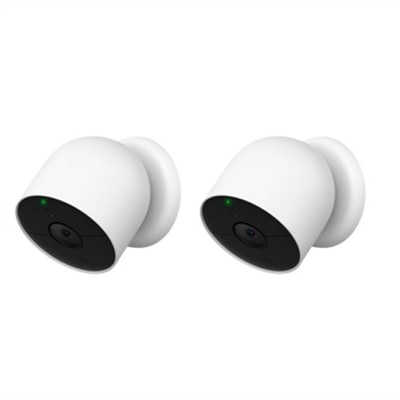
A versatile snow-colored security camera with HDR, night vision, and customizable smart alerts for any location.
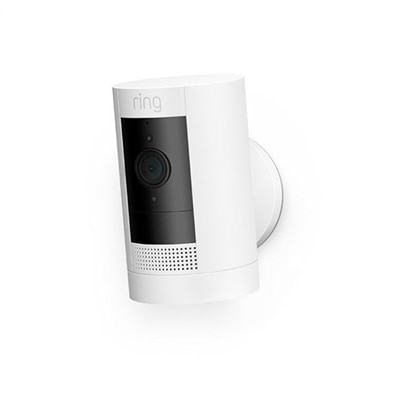
A versatile snow-colored security camera with HDR, night vision, and customizable alerts for indoor/outdoor use.
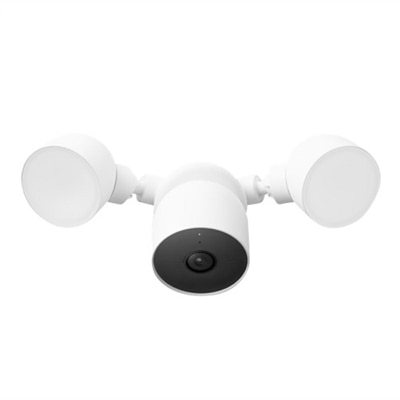
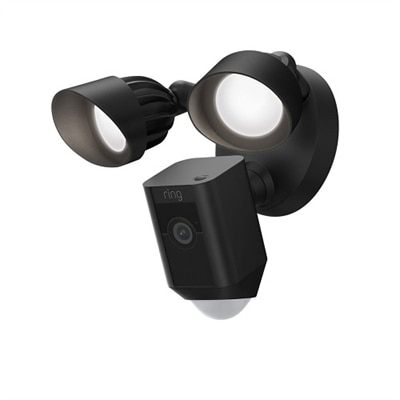
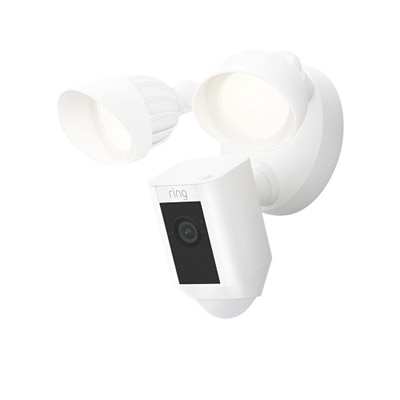
A snow-colored floodlight camera with 1080p HDR video, intelligent alerts, and two-step verification.
A 4K surveillance camera with MaxColor Vision for clear, detailed footage in ultra-low light conditions.
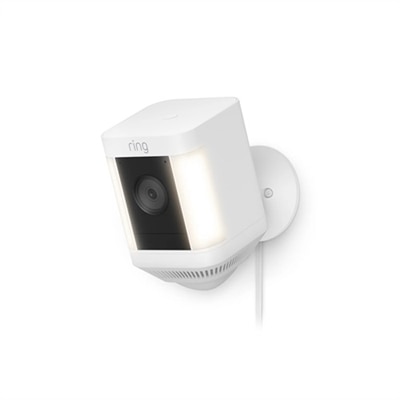
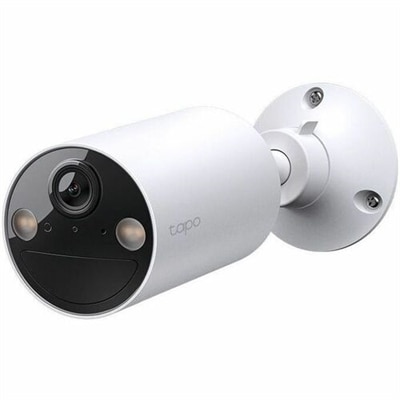
A versatile white security camera with 1080p HD video, LED spotlights, and customizable motion zones.
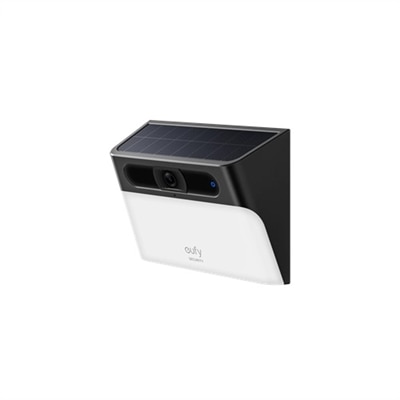
A solar-powered wall light camera offering 2K HD color night vision for superior outdoor monitoring.
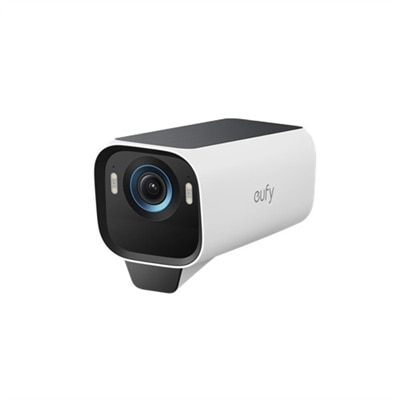
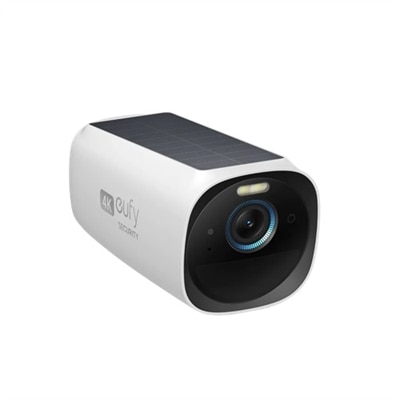
A white solar-powered security camera with 4K Ultra HD, AI analytics, and day/night detection.
A versatile white HD security camera with motion-activated alerts, two-way talk, and customizable privacy zones.
A wire-free 2K network camera with color night vision, human detection, and flexible indoor/outdoor installation.
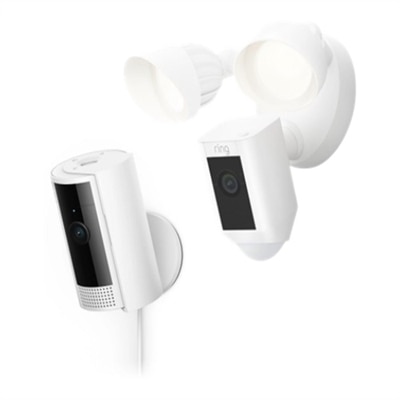
A white floodlight and indoor camera set offering 1080p HD video, color night vision, and privacy cover.
Wireless home security cameras with night vision provide a practical way to keep an eye on entrances, hallways, driveways and other important areas when natural light fades. A wireless design can simplify placement because it reduces the need to run video cables across walls or ceilings, although most cameras still require a power source or periodic battery charging. For homes with changing routines, these cameras can help provide visibility from a phone, tablet or computer, whether you are checking the front walk while away, keeping watch over a side gate during cooler months or looking in on a pet after the lights are out. Indoor models are well suited to nurseries, living areas, garages and entryways, while weather-resistant outdoor cameras can be positioned near a porch, driveway or backyard. When comparing options, consider the strength and coverage of your home Wi-Fi network, the distance between the camera and router, and whether the camera can reconnect reliably after a brief power or network interruption. A camera may be labeled wireless while still using a power adapter, rechargeable battery or optional solar panel, so reviewing its power requirements helps prevent surprises during installation. For a broader selection, explore Wireless Home Security Cameras and compare features based on the rooms and outdoor spaces you want to monitor.
Night vision is one of the most important features for a camera intended to work after sunset. Infrared, often called IR, uses invisible light to create a black-and-white image in very low light or complete darkness. Because the infrared illumination is not normally visible, it can provide discreet coverage without shining a noticeable light toward a walkway or window. Color night vision uses a sensitive image sensor and may also use a built-in spotlight to preserve color details in dim conditions. This can make it easier to distinguish a jacket, package or vehicle, while infrared may be preferable when you want a less conspicuous view and dependable performance in darkness. Resolution also affects how much detail appears in a recording; higher-resolution video can make faces, clothing and objects easier to recognize, but it may require more network bandwidth and can use more battery power. A wide viewing angle may cover a larger room or driveway, while a pan-and-tilt design can let you adjust the view remotely. Motion detection zones help reduce notifications from passing cars, swaying branches or busy sidewalks, and intelligent alerts may distinguish people, animals or vehicles. Two-way audio can be useful for speaking with a visitor at the door or reminding a pet to move away from a restricted area, while a built-in siren or light can provide an additional layer of deterrence. Since every property has different lighting, distance and traffic patterns, look for adjustable sensitivity, clear low-light performance and sample footage that reflects the conditions where the camera will be used.
Thoughtful placement can make a greater difference than simply choosing the highest resolution. Mount an outdoor camera high enough to discourage tampering, but not so high that faces become difficult to identify; positioning it beneath an eave can help shield the lens from rain and glare. Avoid aiming directly at the rising or setting sun, reflective surfaces or bright indoor windows, which can wash out the image at certain times of day. At night, spider webs, insects and nearby foliage may trigger motion alerts or reflect infrared light back toward the lens, so keeping the area around the camera clear supports more consistent monitoring. Before installation, check whether the camera offers local recording through a removable memory card, cloud-based recording, or both, and review how long clips remain available and whether a subscription is required for advanced features. Privacy controls are equally important. Look for options such as activity zones, camera shutters, microphone controls, user permissions and two-step account protection, especially when a camera is placed inside the home. Wireless cameras can be helpful for homeowners, renters, families, caregivers and anyone who wants a convenient way to check on a property without committing to a complex installation. They can also be a considerate gift for someone moving into a new home, welcoming a new pet or looking for added reassurance around an entryway, provided the recipient has a suitable Wi-Fi connection and a comfortable place to mount or position the camera. During the cooler months, night vision can be especially useful when darkness arrives earlier and outdoor activity continues after sunset, helping maintain a clear view of the areas that matter most.
Add the products you would like to compare, and quickly determine which is best for your needs.