$279.99
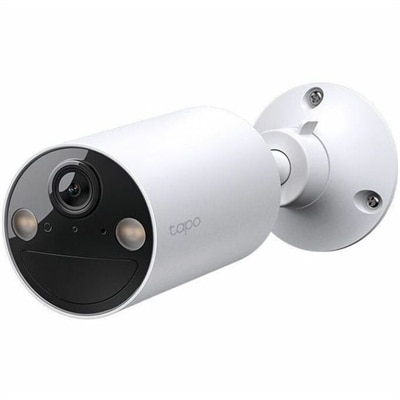
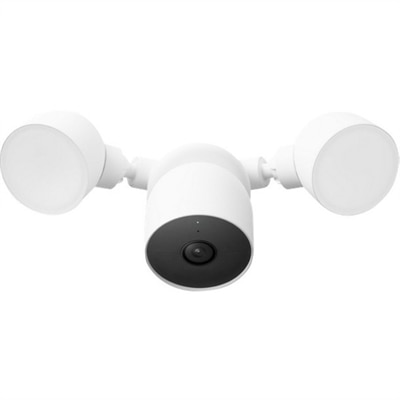
A snow-colored outdoor security camera with 1080p HDR video, intelligent alerts, night vision, and adjustable floodlights.
Enhance your home’s protection with wireless floodlight security cameras, designed to help you monitor outdoor spaces with added convenience. These versatile devices combine bright lighting and advanced surveillance capabilities, making it easier to keep an eye on driveways, backyards, and entryways. With wireless installation options, you can enjoy flexible placement and seamless integration into your existing smart home setup. Explore a range of wireless floodlight security cameras to find the right fit for your property’s unique needs.
A snow-colored outdoor security camera with 1080p HDR video, intelligent alerts, night vision, and adjustable floodlights.
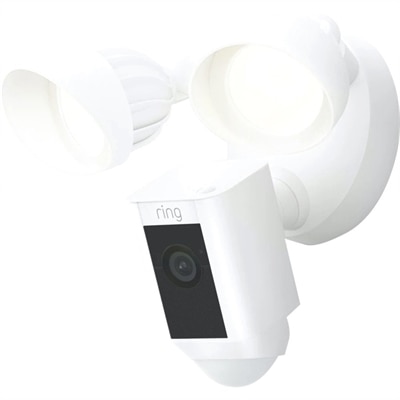
A weatherproof 2K camera with 360-degree coverage, AI auto-tracking, full-color night vision, floodlight, and 24/7 recording.
A wire-free indoor/outdoor 2K security camera with color night vision, rechargeable battery and flexible storage.
Wireless floodlight security cameras combine two useful layers of outdoor protection: a motion-activated light that brightens a dark area and a camera that helps you see what caused the activity. Instead of relying on a separate fixture and surveillance device, a single unit can illuminate a driveway, side entrance, patio, walkway, garage approach, or backyard gate while sending an alert to a compatible mobile app. Wireless models typically connect to your home Wi-Fi and draw power from a rechargeable battery, replaceable batteries, or a solar panel, making them practical for locations where running a new power cable would be difficult. Keep in mind that wireless does not always mean completely independent of a network; most cameras still need a dependable Wi-Fi signal for live viewing, notifications, and cloud-connected features. Before choosing a camera, consider where it will be mounted, how much sunlight reaches the area, and whether you can safely access it when the battery needs attention. A shaded side yard may favor a larger rechargeable battery, while a sunny fence line could be well suited to solar assistance. Weather resistance is also important, particularly for cameras exposed to blowing rain, dust, humidity, or changing temperatures during the cooler months. Look for an outdoor-rated design, a secure mounting bracket, and an installation height that provides a broad view without placing the camera so high that cleaning or recharging becomes inconvenient. A well-positioned floodlight camera can make a familiar space feel more visible: a beam comes on as someone approaches the back steps, the camera records the movement, and a quick phone notification lets you check the scene without walking outside.
Lighting performance and video quality are central to the experience. Brightness is measured in lumens, and outdoor floodlight cameras may range from moderate illumination suitable for a doorway to powerful output designed to cover a wider driveway or yard. More light can improve visibility and discourage unwanted activity, but it may also use more battery power, so balance coverage with how often the area experiences motion. Adjustable brightness, light duration, and motion zones can help prevent a camera from turning on for every passing car or rustling branch. Video resolution affects the clarity of faces, clothing, packages, license plates, and other details, although placement and lighting matter just as much as the stated resolution. Wide-angle views are useful for compact entryways, while pan-and-tilt movement or broader coverage can help monitor an open yard. Night vision may use infrared illumination for discreet black-and-white viewing, while color night vision can provide additional detail when enough ambient or floodlight illumination is available. If nighttime visibility is a priority, explore additional options such as Wireless Home Security Cameras With Night Vision. Motion detection features can range from basic activity alerts to more refined recognition that helps distinguish people, animals, and vehicles. Detection zones are helpful near busy sidewalks, streets, or trees, and adjustable sensitivity can reduce unnecessary notifications. Two-way audio allows you to speak through the camera, which can be useful when coordinating with a delivery driver, checking on a family member, or telling a visitor that you will be there shortly. A built-in siren may offer another layer of deterrence, but local regulations and household preferences should be considered before enabling loud alerts. For video storage, review whether footage is saved to a local memory card, a companion hub, internal storage, or a cloud service. Cloud plans may add longer recording history and advanced detection, while local storage can provide more direct control over saved clips. Check storage limits, subscription requirements, download options, account security, and whether the camera continues recording or sending alerts if the internet connection is interrupted.
Wireless floodlight security cameras can suit homeowners, renters with permission to mount outdoor equipment, small-business operators, and anyone who wants a clearer view of exterior spaces without installing a conventional wired system. They are especially useful for homes with detached garages, long driveways, side paths, sheds, porches, or other areas that are too far from an existing light fixture. A renter may appreciate a battery-powered unit that can be removed when moving, while a homeowner may prefer solar charging for a garden gate or rear corner where electrical access is limited. They can also be thoughtful practical gifts for someone moving into a new home, caring for an older relative, welcoming a new pet, or improving visibility around a workshop or vacation property. The best choice depends on the recipient’s layout and comfort with setup rather than on a single feature list. Consider whether the person uses a particular smart home platform, whether multiple household members need access, and whether the camera’s app supports shared viewing and clear notifications. Battery life varies with resolution, motion frequency, light brightness, temperature, and recording settings, so a camera facing a quiet backyard may run much longer between charges than one aimed at a busy sidewalk. Solar charging can extend runtime but generally works best when the panel receives adequate direct light; it should not be treated as unlimited power in a deeply shaded location or during long stretches of overcast weather. During warmer seasons, inspect mounting hardware and clear leaves or spider webs from the lens, and during wetter or colder conditions, keep an eye on battery performance and water-resistant seals. Privacy deserves equal attention: aim the lens toward your own property where possible, use privacy masking or activity zones when available, protect accounts with strong unique passwords and multifactor authentication, and share access only with trusted household members. With the right placement, dependable connectivity, suitable power source, and storage plan, a wireless floodlight security camera can provide an inviting pool of light and a useful record of activity whenever the exterior of a home or property needs extra awareness.
Add the products you would like to compare, and quickly determine which is best for your needs.