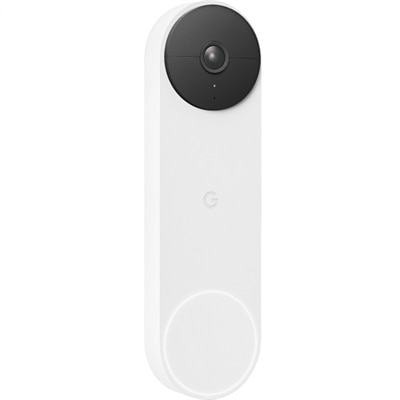
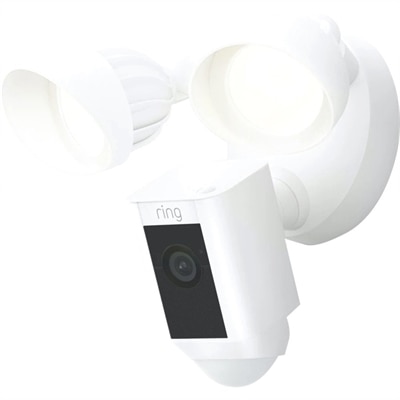
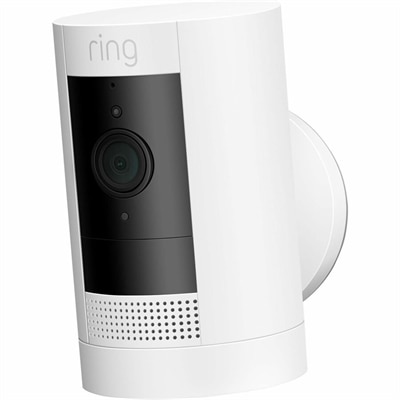
Wireless Outdoor Security Cameras
Enhance the safety and security of your home with wireless outdoor security cameras. These advanced devices provide a seamless way to monitor your property, giving you peace of mind whether you're at home or away. With easy installation and flexible placement options, wireless outdoor security cameras are designed to keep an eye on every corner of your surroundings. Explore our selection to find the perfect solution for safeguarding your home, ensuring that you stay connected and informed at all times.
This product is not available
Check out the following recommendations.




Wireless Outdoor Security Cameras
Wireless outdoor security cameras bring connected monitoring to front porches, driveways, side gates, patios, and other exterior spaces without requiring a dedicated video cable back to a recorder. Most connect through home Wi-Fi, either directly or through a compatible hub, so footage and notifications can be viewed in a supported app. Wireless does not always mean completely wire-free: some cameras use rechargeable or replaceable batteries, while others need a power cord connected to an appropriate outlet. Battery-powered designs offer more flexibility around a detached garage or fence line, provided a reliable connection reaches the intended location. Compatible solar panels can supplement battery charging where there is sufficient sunlight, although shade, short winter days, heavy activity, and cold weather may still make occasional manual charging necessary. These cameras suit everyday routines as much as extended time away, whether that means checking when a package reaches the front steps, seeing which animal crossed the backyard overnight, or confirming that a side gate was closed. Homeowners may want several viewpoints around a property, while renters may prefer removable mounting options that comply with their lease and the camera’s installation requirements. Fit involves more than the size of the camera body. The mounting surface, bracket adjustment, access for charging, and clearance beneath an eave all influence how naturally a camera fits into an outdoor space. A compact housing can sit discreetly beside a doorway, while a camera with an integrated spotlight needs room to illuminate its intended area without shining into a neighbor’s window. A secure attachment matters on exposed walls and posts, where wind and vibration can shift a loosely mounted camera. Wireless outdoor security cameras are best understood as connected accessories for awareness and documentation, not a guarantee against theft or trespassing. Their usefulness comes from matching the power arrangement, viewing angle, and recording behavior to the particular space and the people who use it.
Image quality depends on resolution, lighting, lens design, distance, and how quickly the camera responds to activity. Higher-resolution video, including 2K or 4K where supported, can preserve more detail when enlarging part of a recording, but resolution alone does not guarantee a readable license plate or a recognizable face. A vehicle moving down a driveway at dusk presents a different challenge from a visitor standing a few feet from the front door. Wide-angle lenses can cover a broad patio or parking area, though objects near the far edge or across the yard may appear smaller or less detailed. A narrower view may better suit a gate or walkway where people pass through a predictable spot. Night vision also varies by design. Infrared illumination typically produces black-and-white footage in darkness, while color footage at night generally requires enough ambient light or a built-in light source. Porch lights, reflective siding, and nearby surfaces can affect exposure; even a bright patch of wall close to the lens may make the background harder to see. Motion detection determines which moments become notifications or recorded events. Depending on the model, detection may distinguish people, vehicles, animals, or packages, and adjustable activity zones can help concentrate attention on a walkway rather than a busy street. Those features can reduce unwanted alerts, but windblown branches, insects close to the lens, and changing shadows may still trigger activity. Battery-powered cameras often record events rather than uninterrupted video, and wake-up time, clip length, and the interval between events can affect what a recording captures. Two-way audio can support a brief conversation with someone at the gate, although wind, traffic, and connection quality influence clarity. For households interested in connected controls and compatible home automation, Outdoor Smart Security Cameras offer a related category to explore. App support, shared access, and compatibility with existing devices help determine how comfortably a camera becomes part of daily life.
Outdoor durability involves the housing, seals, mounting hardware, and the conditions a camera is designed to withstand. Weather-resistant plastic and metal housings can both perform well when engineered for exterior use, but an outdoor rating does not mean a device is suitable for every climate or installation. A stated ingress-protection rating describes tested resistance to dust and water, while the operating-temperature range addresses a separate concern. Wind-driven rain beneath a shallow overhang, intense afternoon sun on a south-facing wall, and freezing temperatures around a garage can each put different demands on a camera and its battery. Power adapters, connectors, and solar accessories also need to be appropriate for their placement; a weather-resistant camera does not automatically make every attached component suitable for exposure. Routine care is usually straightforward: a soft cloth can remove dust and water spots from the lens cover, and periodic checks can reveal loose brackets, debris around seals, or spiderwebs that reflect infrared light at night. Manufacturer-approved cleaning methods help protect lens coatings and gaskets. Battery life varies with temperature, motion frequency, live viewing, recording settings, and signal strength, so a quiet side yard may need less charging attention than a front entrance facing steady pedestrian traffic. Recording access deserves equal attention. Some cameras retain clips on a compatible memory card or hub, while others use remote cloud recording, and certain functions may require an account or subscription. Retention periods, playback access, recording during an internet outage, and the ability to export a clip differ by system. Strong account credentials, multifactor authentication where supported, and regular software updates help protect access to household footage. Camera placement also affects privacy: a view focused on the property’s own entryways and paths is generally more appropriate than one aimed into neighboring windows or private spaces. For a shared household, clear access permissions can let the right people check a delivery without giving everyone control over every setting. Together, dependable mounting, suitable weather protection, clear footage, and manageable upkeep make outdoor monitoring more useful over time.
FAQs:
Wireless outdoor security cameras typically offer two main power options: battery-powered and solar-powered. Battery-powered cameras are easy to install and can be placed virtually anywhere, while solar-powered models use solar panels to keep the battery charged for maintenance-free operation. Both options provide flexibility and eliminate the need for complex wiring.
Most wireless outdoor security cameras connect to your home network via Wi-Fi. During setup, you use a compatible app to pair the camera with your network, allowing you to view live footage, receive alerts, and manage settings remotely from your smartphone or tablet.
Yes, wireless outdoor security cameras are designed to withstand various weather conditions, including rain, snow, heat, and cold. They typically feature weather-resistant housings and durable construction, making them suitable for year-round outdoor use.
Many wireless outdoor security cameras offer both cloud storage and local storage options. Cloud storage allows you to access your footage remotely and keep recordings offsite, while local storage—such as microSD cards—lets you store video directly on the camera without a subscription.
Yes, many modern wireless outdoor security cameras include smart detection features such as AI-powered motion detection, customizable activity zones, and person or animal recognition. These features help minimize false alerts triggered by things like tree branches or passing cars.