1. Ergonomics
2. Durability
3. Connectivity
4. Compatibility
When it comes to finding the best keyboards for students, comfort, durability, and functionality are key factors to consider. Whether you're typing up research papers, taking notes in class, or simply browsing the web, having a reliable keyboard can make a world of difference in your productivity and overall user experience. To help you make an informed decision, we've curated a list of top-rated keyboards based on user reviews. From ergonomic designs to wireless connectivity options, these keyboards are sure to enhance your study sessions and daily computing tasks.
Choosing the right keyboard can make studying, typing, and creative projects easier and more comfortable for students.
1. Ergonomics
2. Durability
3. Connectivity
4. Compatibility
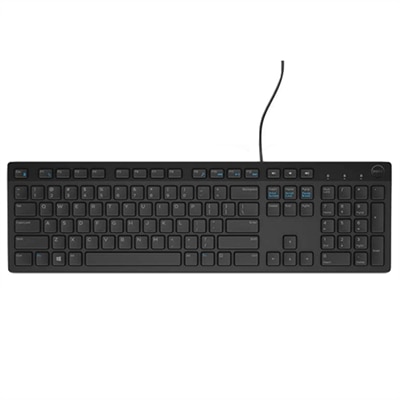
A black wired keyboard with chiclet-style keys for efficient and comfortable everyday typing.
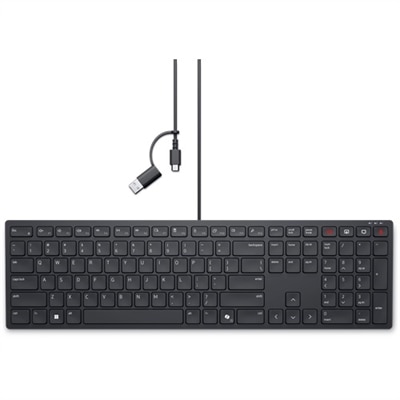
A black wired keyboard designed for productivity and comfort with built-in collaboration keys.
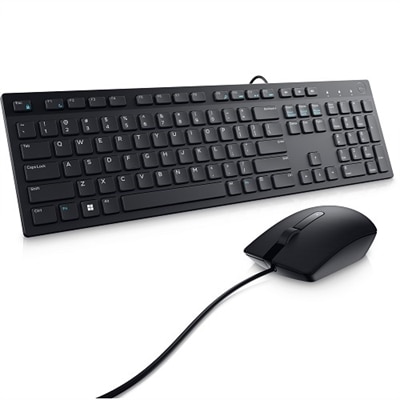
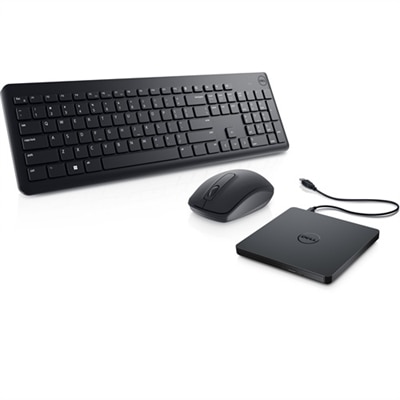
A wired keyboard and mouse combo that connects via USB-A for seamless PC integration.

A stylish rose and off-white Bluetooth keyboard and mouse combo with customizable keys and comfortable, quiet typing.
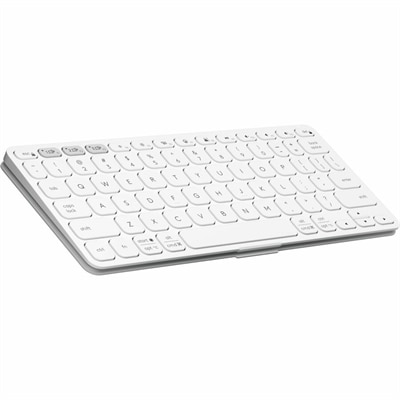
A slim, pale gray Bluetooth keyboard with built-in cover, compatible with multiple operating systems and devices.
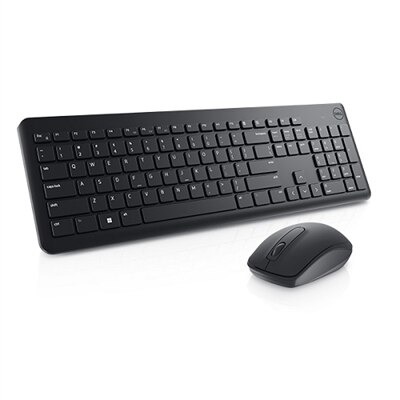
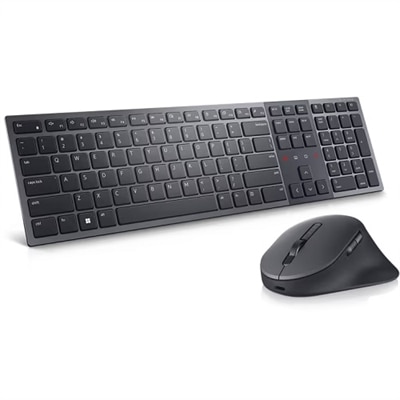
A reliable wireless keyboard and mouse combo designed to enhance everyday productivity.
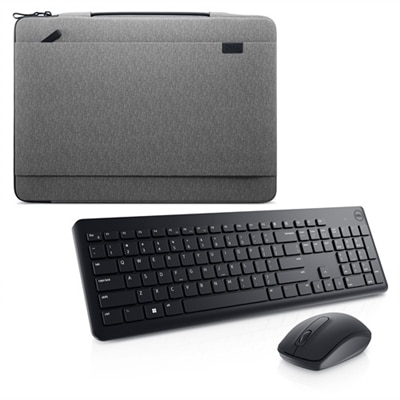
A sustainable heather gray sleeve paired with a wireless keyboard and mouse for seamless, clutter-free productivity.

A reliable wireless keyboard, mouse, and AI noise-cancelling headset combo for enhanced home office productivity.
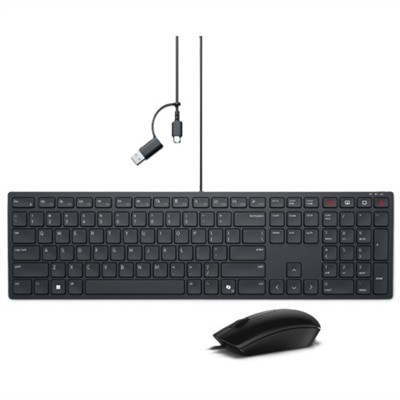
A black silent wired keyboard with collaboration keys, paired with a wired mouse for effortless productivity.
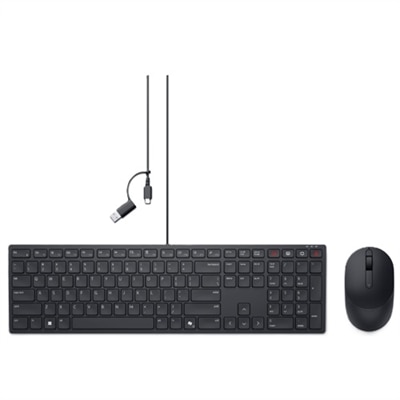
A black silent wired keyboard with collaboration keys, paired with a wireless mouse for productivity and comfort.
Students should consider keyboards with comfortable key layouts, responsive typing experience, quiet operation, and durable build quality. Additional features like wireless connectivity, backlighting, and programmable keys can also enhance productivity and convenience during study sessions.
Wireless keyboards are a great choice for students who value flexibility and a clutter-free workspace. They allow for easy movement between study areas and can connect to various devices, making them ideal for students who use laptops or tablets.
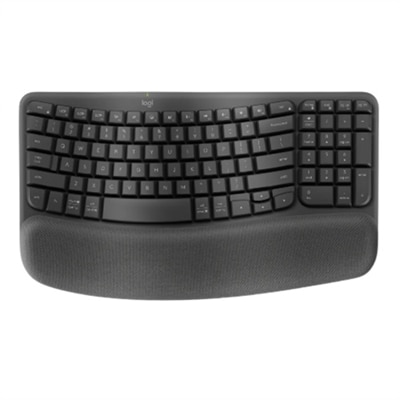
Ergonomic keyboards are designed to promote natural hand positioning and reduce strain during extended typing sessions. This can help students maintain comfort and focus while working on assignments or taking notes.
Keyboards with customizable keys allow students to assign shortcuts to frequently used functions or applications. This can streamline workflow, save time, and support more efficient multitasking during research or classwork.
Backlit keyboards make it easier to type in low-light environments, such as libraries or dorm rooms at night. This feature can help students stay productive without disturbing others or straining their eyes.
Add the products you would like to compare, and quickly determine which is best for your needs.