1. Print Quality and Resolution
2. Ink System
3. Media Compatibility
4. Connectivity and Workflow
Choosing the right printer is essential for photographers who want to produce high-quality prints of their work. Here are key aspects to consider when selecting a photo printer.
1. Print Quality and Resolution
2. Ink System
3. Media Compatibility
4. Connectivity and Workflow
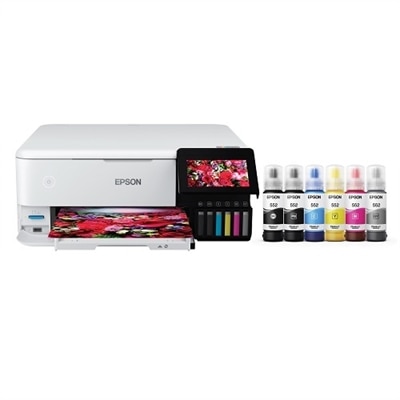
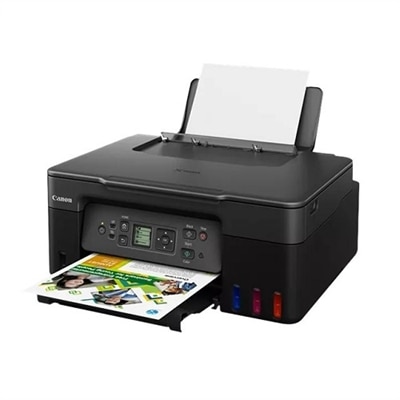
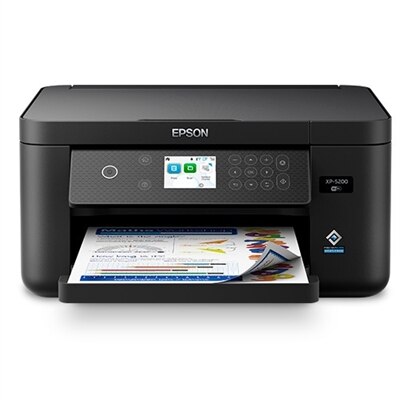
An all-in-one inkjet printer offering lab-quality photos and graphics with cost-effective, cartridge-free ink.
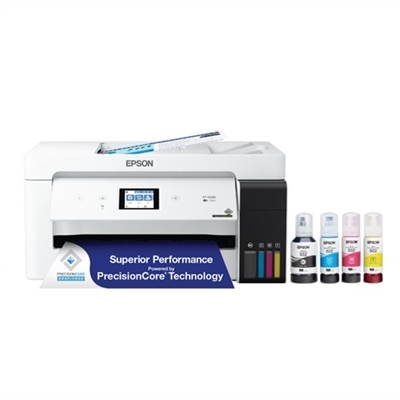
An efficient all-in-one inkjet printer with cartridge-free printing, vibrant color output, and voice-activated features.
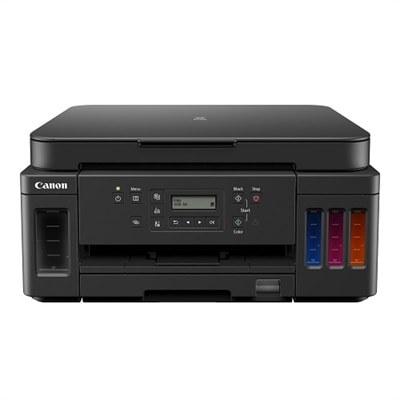
A versatile all-in-one printer offering high page yield, wireless connectivity, and significant ink savings.
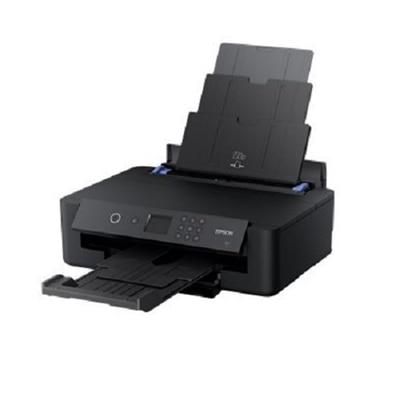
A compact inkjet printer offering wireless connectivity and pro-quality borderless prints up to 13" x 19".
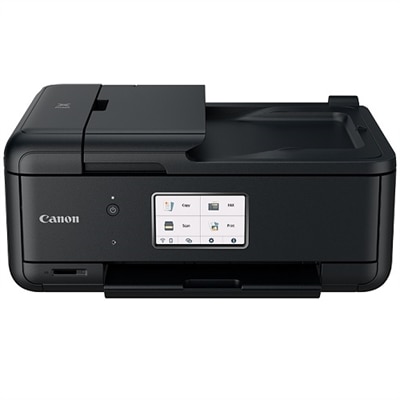
A compact all-in-one printer with wireless connectivity, 5-ink system, and 4.3" touchscreen.
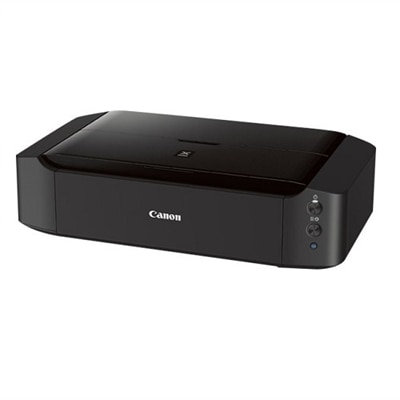
A black wireless inkjet printer offering stunning borderless photos up to 13" x 19" with 6-color ink.
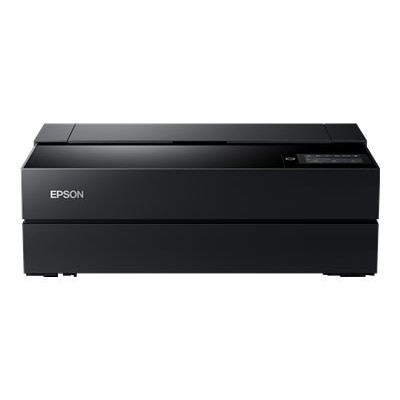
A compact desktop inkjet printer offering exhibition-quality color prints with a 4.3-inch touchscreen.
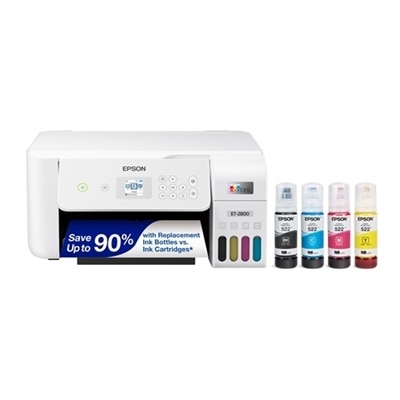
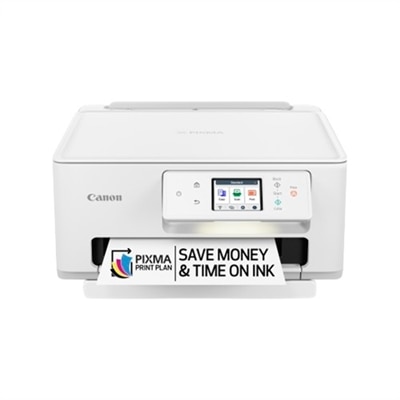
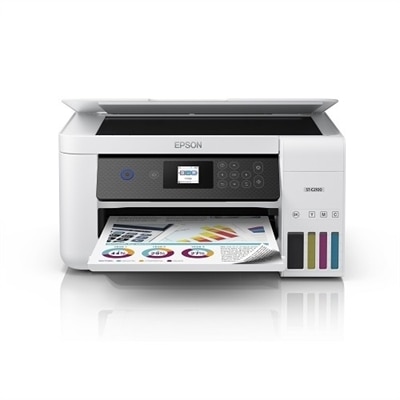
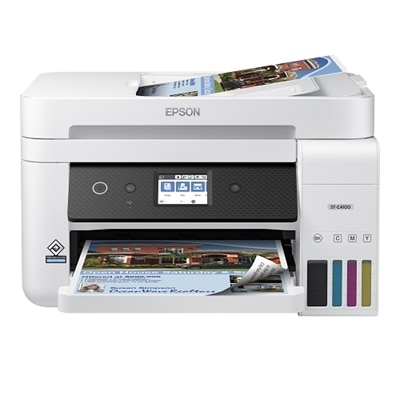
An innovative white all-in-one printer with cartridge-free ink tanks, wireless connectivity, and voice-activated printing.
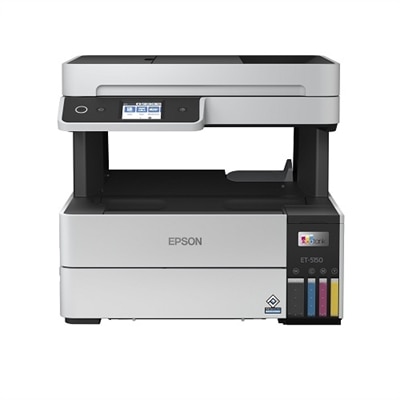
An efficient white all-in-one inkjet printer offering cartridge-free, high-volume, professional-quality color prints.
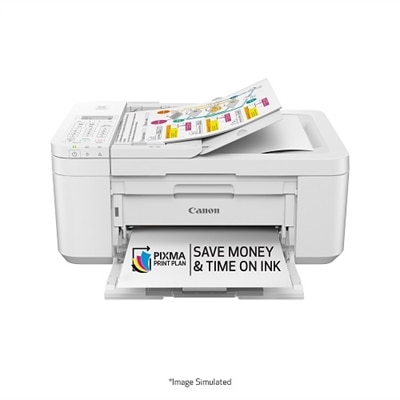
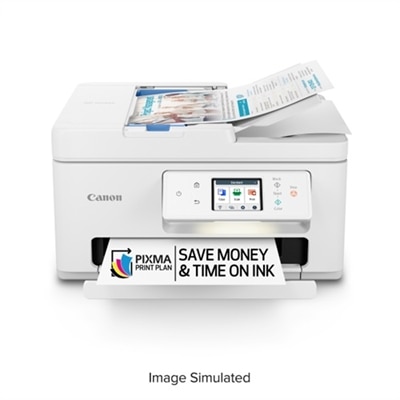
A compact white all-in-one printer with wireless connectivity, auto 2-sided printing, and fax functionality.
Photographers should look for printers with high resolution, wide color gamut, and support for various photo paper types. Features like pigment-based inks, borderless printing, and compatibility with professional editing software are also important for producing gallery-quality photos.
Photo printers are designed to deliver superior image quality, with higher DPI (dots per inch), advanced color management, and specialized inks that enhance photo vibrancy and longevity. They often support a wider range of media sizes and finishes compared to regular printers.
Yes, many of the printers featured on this page are capable of producing professional-quality prints at home. They offer advanced color accuracy, fine detail reproduction, and support for premium photo papers, making them suitable for portfolios, exhibitions, or client work.
Pigment-based inks are typically preferred by photographers for their color stability and resistance to fading. Dye-based inks, on the other hand, can provide more vibrant colors but may be less durable over time. The best choice depends on your specific needs and intended display method.
Most high-quality photo printers are compatible with leading photo editing software such as Adobe Photoshop and Lightroom. This compatibility allows for precise color management and streamlined workflows, ensuring your edited images are accurately reproduced in print.
Add the products you would like to compare, and quickly determine which is best for your needs.