Large Photo Printers
Large photo printers are essential for anyone looking to produce high-quality, vibrant prints on a bigger scale. Whether you're a professional photographer, an artist, or simply someone who loves capturing memories in stunning detail, these printers offer the perfect solution for bringing your digital images to life. Designed to handle larger paper sizes and deliver exceptional color accuracy, large photo printers ensure that every print is a masterpiece. Explore our selection of top-performing models that cater to various needs and budgets, making it easier than ever to create gallery-worthy prints from the comfort of your home or studio.
This product is not available
Check out the following recommendations.




Large Photo Printers
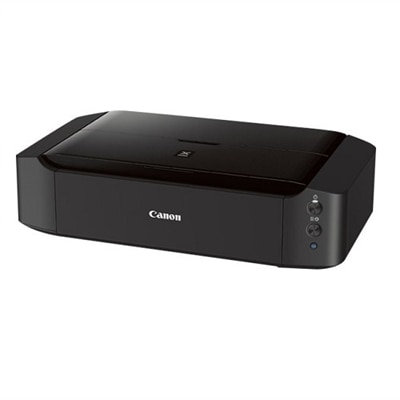
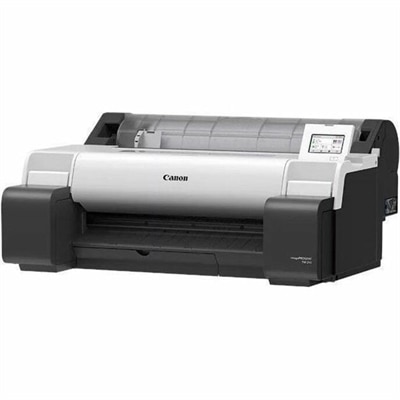
Large photo printers are designed for people who want more from their images than a small, standard-size print can provide. They make it possible to bring a landscape across a broad sheet, display a family portrait with room for expressive detail, or turn a carefully composed digital image into artwork suitable for a frame. Photographers, artists, designers, creative professionals, educators, and small studios may use these printers to review finished work, prepare portfolio pieces, create exhibition prints, or produce visual materials in-house. They can also be a thoughtful gift for someone who spends weekends behind a camera, experiments with digital illustration, or enjoys transforming memorable moments into physical keepsakes. A large photo printer can give a home office or creative workspace a more hands-on rhythm: an image is selected, paper is chosen, the print emerges, and subtle differences in color, contrast, and texture become visible in a way that a screen cannot fully reproduce. For additional options across broader output needs, explore Large Format Color Printers. When comparing models, begin with the maximum print width. Compact wide-format units commonly support paper around 13 inches wide, while larger 17-inch models provide more room for panoramic compositions, borderless artwork, and presentation prints. Printers built for even wider media may suit commercial environments, dedicated studios, or projects that need especially expansive output. The right size depends on more than the occasional largest image; consider where the printer will live, how much clearance is needed for paper handling, and whether the workspace can comfortably support the finished prints as they dry or are prepared for framing.
Image quality depends on the interaction between the printer’s ink system, paper handling, resolution, and the media selected for each project. Photo printers using multiple individual ink channels can produce nuanced color transitions, natural skin tones, rich shadows, and more convincing detail in skies, foliage, fabric, and textured surfaces. Additional color channels may help refine subtle shades that are difficult to reproduce with a smaller ink set, while pigment-based inks are often valued for their strong black density and long-lasting output on compatible archival papers. Dye-based systems can be appealing for vibrant color and smooth finishes, particularly when prints will be viewed under glass or displayed in a personal setting. Neither approach is automatically right for every photographer, so it is useful to consider the kind of work being printed and the expected display conditions. Glossy and semigloss papers can make colors appear bright and saturated, with a polished surface that suits portraits, travel photography, and high-impact images. Matte and fine-art papers reduce reflections and bring a softer, more tactile character to black-and-white work, muted landscapes, illustrations, and gallery-style prints. Heavier cotton, rag, or textured media may add presence to artwork, but they also require a printer with suitable feed paths and paper-handling capabilities. Before choosing, review supported paper weights, sheet sizes, roll compatibility, borderless printing options, and whether the printer can accommodate specialty media without frequent manual adjustments. Color management is another important consideration. Support for printer profiles and calibrated displays can help the image on screen more closely match the finished print, although room lighting, monitor settings, paper whiteness, and ink behavior will still influence the result. A model with a clear control panel, dependable wireless or wired connectivity, and software that supports common creative workflows can make repeated printing more comfortable, especially when moving between a camera, editing workstation, tablet, or shared home computer.
Ongoing printing costs deserve attention alongside the initial purchase. Individual ink tanks can make it easier to replace only the color that has been used most, while high-capacity or refillable systems may be practical for photographers and studios that print frequently. Review the estimated page or print yield carefully, keeping in mind that large, richly colored images use more ink than documents or small snapshots. A printer that supports both standard sheets and roll media may offer greater flexibility, but rolls require additional storage and may involve trimming equipment or extra finishing steps. Physical size and noise can matter as well: a wide-format printer needs a stable surface, enough ventilation, and space for prints to exit without curling against nearby objects. Think about the full workflow, including image editing, proof prints, drying time, trimming, mounting, and storage. During the cooler months, a dedicated indoor printing area can become a rewarding creative corner where travel photos, school projects, commissioned artwork, and family memories take shape. Keeping paper sealed in its original packaging, handling prints by the edges, and allowing ink to cure as recommended can help preserve the intended appearance. For occasional users, ease of setup and reliable automatic maintenance may be more valuable than the highest possible speed. For professional or enthusiast workflows, accurate color, broad media support, high resolution, and durable output may justify a larger footprint. Whether the goal is a wall-sized landscape, a carefully textured fine-art print, or a generous portrait to share with someone special, the best large photo printer is the one that matches the desired print dimensions, preferred paper surfaces, working habits, and expectations for color and longevity.
FAQs:
Large photo printers are designed for versatility and can accommodate a wide range of media types. In addition to standard photo paper, many models support fine art papers, glossy and matte finishes, heavyweight cardstock, and even specialty materials like canvas or textured media. This flexibility allows users to experiment with different textures and finishes, making it easy to create everything from high-impact posters to gallery-quality art prints.
Pigment inks are favored in large photo printing because they offer superior color accuracy, longevity, and resistance to fading. These inks penetrate the surface of the paper and remain vibrant over time, ensuring that prints maintain their original quality even when displayed in well-lit environments. Many high quality printers use multi-channel pigment ink systems to deliver rich gradations and true-to-life colors, making them ideal for professional photography and fine art reproduction.
Absolutely. Large photo printers are popular in both home and professional settings. For home users, they open up creative possibilities for personal projects, wall art, and family photo displays. In professional environments, these printers are essential tools for photographers, designers, and artists who require precise color management and the ability to produce portfolio pieces or client work at impressive sizes.
Many modern large photo printers offer wireless connectivity options such as Wi-Fi, Bluetooth, or cloud printing. This makes it easy to print directly from cameras, smartphones, or tablets without the need for a computer. Users can quickly transfer images and start printing high-resolution photos, streamlining the creative process and reducing setup time.
Regular maintenance helps ensure consistent print quality and longevity. This typically includes running nozzle checks, cleaning print heads, and keeping the printer free of dust and debris. Using manufacturer-recommended inks and papers can also help prevent clogs and maintain optimal performance. Many wide format photo printers feature automated maintenance routines, making it easier for users to keep their equipment in top condition with minimal effort.