$49.99
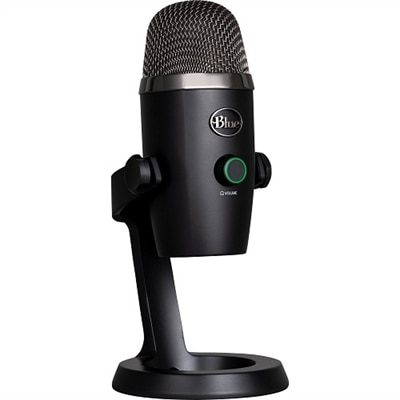
A compact black condenser microphone offering 24-bit/96kHz recording, cardioid and omnidirectional modes, and USB-C plug-and-play connectivity.
Condenser microphones are essential tools for capturing high-quality audio in a variety of settings, from professional studios to home recording setups. Known for their sensitivity and accuracy, these microphones excel at picking up detailed nuances and delivering clear, crisp sound. Whether you're a musician, podcaster, or content creator, condenser microphones offer the precision and versatility needed to produce exceptional recordings. Explore our selection of condenser microphones to find the perfect match for your audio needs and elevate your recording experience.
A compact black condenser microphone offering 24-bit/96kHz recording, cardioid and omnidirectional modes, and USB-C plug-and-play connectivity.
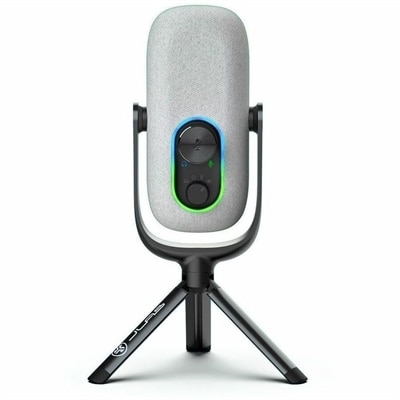
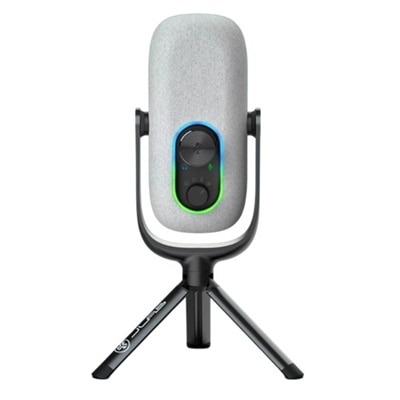
A white condenser microphone offering 192kHz/24-bit recording, four directional patterns, gain controls, and plug-and-play USB connectivity.
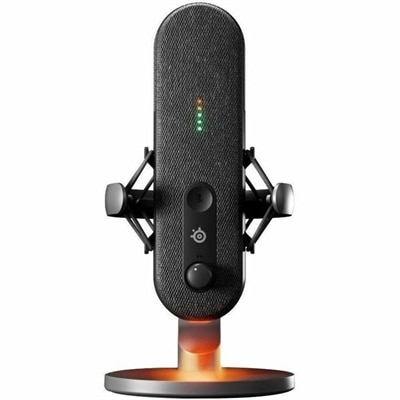
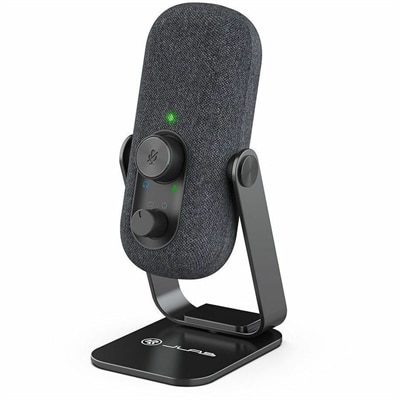
A black wired condenser microphone with AI noise cancellation, studio-grade tuning, and LED level monitoring.
Condenser microphones are designed for listeners and creators who want a clear, detailed representation of the original sound. At the heart of a condenser microphone is an electrostatic capacitor made from a thin, electrically conductive diaphragm positioned close to a solid backplate. As sound waves reach the diaphragm, it moves in response to changes in air pressure, altering the distance between the diaphragm and backplate and creating a small electrical audio signal. Built-in electronics then strengthen that signal for recording, streaming, communication, or production work. This construction gives condenser microphones a lightweight diaphragm that responds quickly to subtle changes, making them especially effective for capturing vocal detail, crisp consonants, acoustic instruments, room ambience, and other nuanced sounds. Most traditional condenser microphones need an external power source, commonly +48V phantom power supplied by an audio interface, mixer, or compatible recording device. Before choosing one, check how it connects to your setup and whether your computer, monitor, laptop, or other equipment requires an interface, adapter, or additional accessory. Some desktop-focused microphones are designed for simpler computer connections and can be a practical choice for podcasting, online presentations, voice recording, streaming, and everyday communication. Browse options for Desktop Microphones when a convenient workstation setup is the priority. A stable stand, adjustable boom arm, pop filter, shock mount, and comfortable headphones can also help create a more consistent recording experience, particularly when a microphone will remain on a desk for long sessions.
Choosing the right condenser microphone begins with considering the sound source, recording space, connection method, and desired level of control. Large-diaphragm condenser microphones are often selected for vocals, narration, voiceover work, spoken presentations, and podcasting because their broader diaphragm can produce a full, smooth, and intimate character that helps a voice sit naturally in a recording. Small-diaphragm condenser microphones, sometimes called pencil microphones, are valued for their quick transient response and relatively even frequency capture. They can be well suited to acoustic guitar, piano, percussion, cymbals, strings, and other instruments where precise attacks and fine texture matter. Some microphones offer selectable pickup patterns, allowing the user to choose how sound is collected from the surrounding space. A cardioid pattern focuses primarily on sound in front of the microphone and can help reduce noise from behind, while omnidirectional and other patterns may be useful for group discussions, room recordings, or multiple performers. Sensitivity is an important benefit and a practical consideration at the same time. A condenser microphone can reveal the soft intake of breath, the shimmer of a string, and the natural resonance of a room, but it may also capture keyboard clicks, air conditioning, traffic, nearby conversations, and reflections from bare walls. A quiet space with curtains, rugs, bookshelves, or other soft surfaces can make a noticeable difference. Positioning the microphone a comfortable distance from the speaker, speaking toward the intended side of the capsule, and using a pop filter can help manage plosive sounds and uneven volume. A shock mount may reduce vibrations from desk movement, while headphones allow the user to hear background noise and distortion before it becomes part of a recording. For users building a home studio, a condenser microphone can serve as the central audio tool alongside a laptop or desktop, an audio interface, headphones, and recording software. For a remote worker, teacher, gamer, or presenter, it can bring greater clarity and presence to meetings, lessons, live broadcasts, and recorded content when the surrounding environment is reasonably controlled.
Condenser microphones can be a thoughtful gift for a musician, aspiring podcaster, voice actor, student, gamer, content creator, or family member who enjoys recording music and spoken audio. They are useful for a first home recording space, a compact workstation, a rehearsal area, or a creative corner where ideas can be captured without visiting a professional studio. When choosing a microphone for someone else, consider how comfortable they are with audio equipment and whether they already own compatible connections. A person who prefers a straightforward setup may appreciate a microphone that connects easily to a computer, while a musician or experienced creator may prefer a model that works with an audio interface and offers more control over gain, pickup pattern, and monitoring. Physical design matters as well: a heavier microphone may benefit from a sturdy stand, and a compact model may suit a small desk shared with a laptop, monitor, keyboard, and other accessories. Look for dependable controls, a secure mounting point, a suitable cable connection, and a form factor that fits the intended workspace. It is also helpful to think about recording habits. Someone making intimate voiceovers may value a large-diaphragm design and a pop filter; an acoustic instrumentalist may prioritize accurate transient response; and a group recording may need a broader pickup pattern or more than one microphone. During the warmer and cooler parts of the year, a well-organized indoor setup can make it easier to maintain a regular creative routine, whether that means recording a song after work, producing a podcast at a quiet desk, practicing narration, or preserving a child’s first musical performances. With thoughtful placement, appropriate power, and a room that limits unwanted reflections, a condenser microphone can turn a familiar space into a more expressive and capable recording environment.
Condenser microphones are generally more sensitive and accurate in capturing subtle details and higher frequencies, making them ideal for studio vocals, acoustic instruments, and broadcast applications. Dynamic microphones are typically more rugged and less sensitive to background noise, making them better suited for live performances and environments where durability is important.
Yes, condenser microphones are a popular choice for podcasting and streaming due to their ability to capture clear, detailed audio. They excel at picking up the nuances of the human voice, which helps deliver professional-sounding results for spoken word content.
Most traditional condenser microphones require phantom power, typically supplied by an audio interface or mixer. However, many modern USB condenser microphones draw power directly from your computer’s USB port, making them easy to use without additional equipment.
Absolutely. Condenser microphones are widely used for recording a variety of musical instruments, especially those with rich harmonic content such as acoustic guitars, pianos, and string instruments. Their sensitivity ensures accurate reproduction of both subtle and dynamic sounds.
Most USB condenser microphones are plug-and-play, meaning they are automatically recognized by modern operating systems without the need for additional drivers or software. However, using audio recording or editing software can help you get the most out of your microphone’s capabilities.
Add the products you would like to compare, and quickly determine which is best for your needs.