$60599.07
A versatile block storage array featuring 8TB 12Gbps SAS drives and Intel Xeon processor for SAN/DAS workloads.
High RPM hard drives are the powerhouse behind swift data access and efficient storage solutions, catering to both personal and professional needs. These high-speed drives are designed to enhance your computing experience by reducing load times and improving overall system responsiveness. Whether you're looking to upgrade your current setup or build a new system from the ground up, high RPM hard drives offer the reliability and performance needed to handle demanding applications and large files with ease. Explore our selection of high RPM hard drives to find the perfect fit for your storage requirements today.
A versatile block storage array featuring 8TB 12Gbps SAS drives and Intel Xeon processor for SAN/DAS workloads.
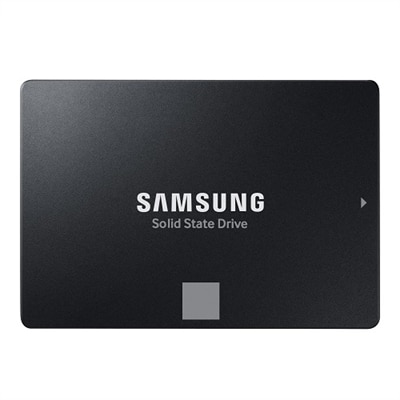
A 4TB SSD offering 560/530 MB/s speeds, ideal for creators and IT professionals with SATA compatibility.
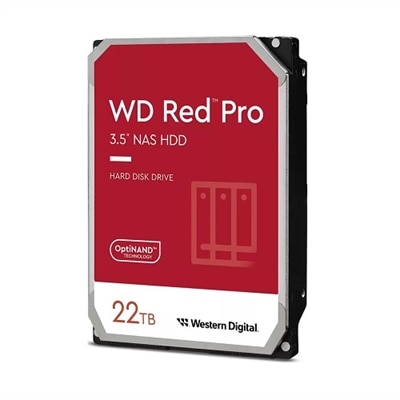
A high-capacity 22TB internal hard drive with 7200 rpm, 512MB buffer, and advanced NAS features.
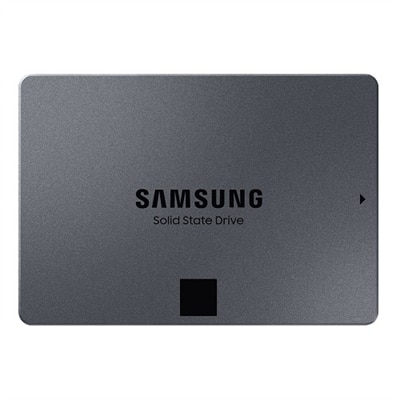
An 8TB SSD offering 560 MB/s read and 530 MB/s write speeds for enhanced PC performance.
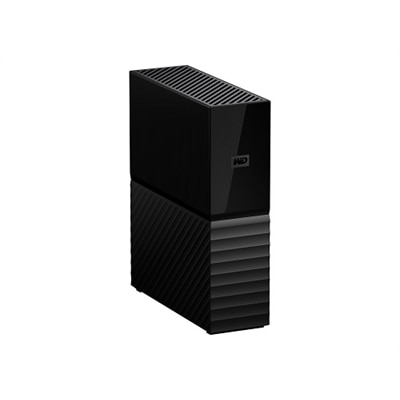
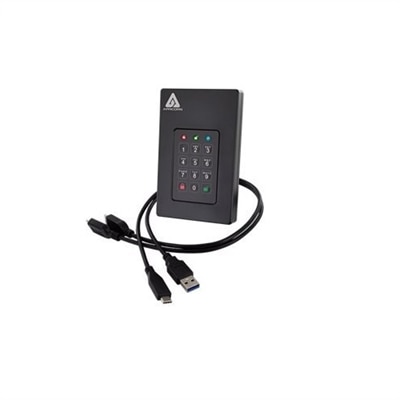
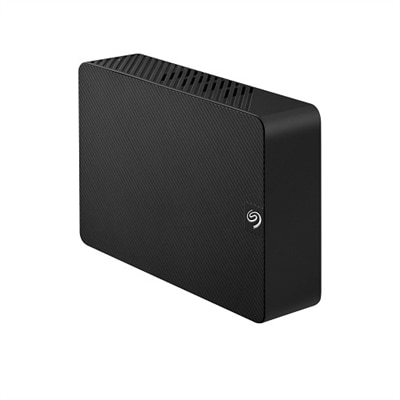
A sleek black 8TB desktop hard drive with password protection and automatic backup software.
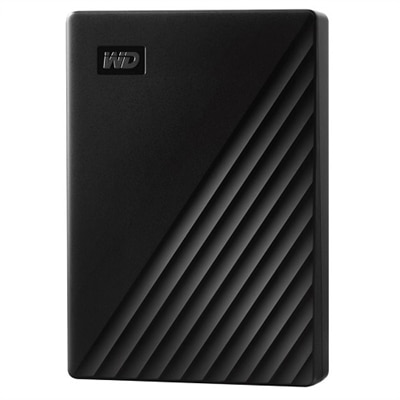
A sleek 5 TB portable hard drive in black with 256-bit AES encryption and automatic backup.
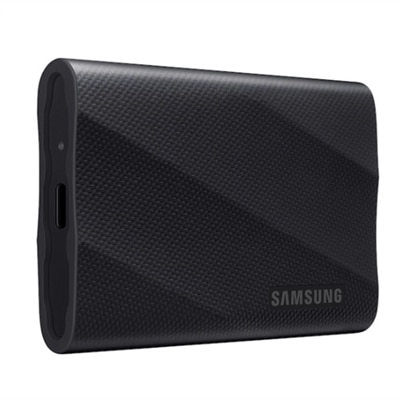
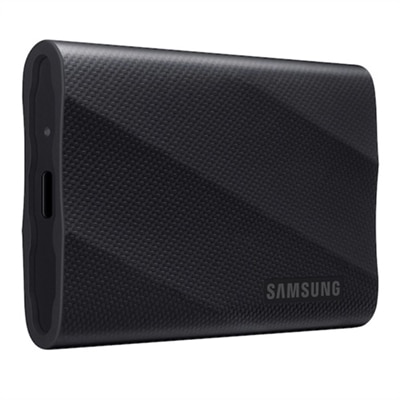
A sleek black 1TB SSD with 2,000 MB/s speeds, universal compatibility, and 3-meter drop resistance.
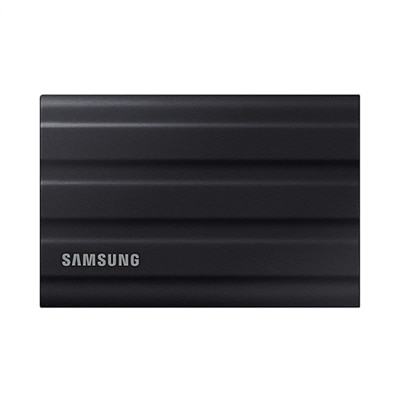
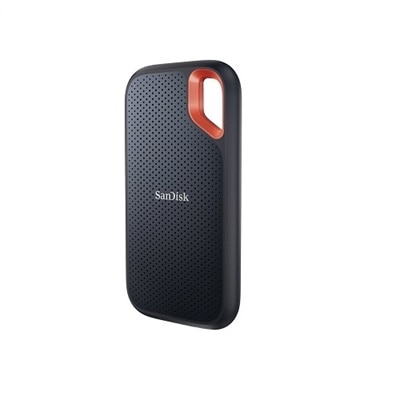
A rugged black portable SSD with 2TB capacity, IP65 dust and water resistance, and ultra-fast USB 3.2 speeds.
A rugged black 1TB SSD with IP65 rating, offering fast USB 3.2 Gen 2 speeds and durability.
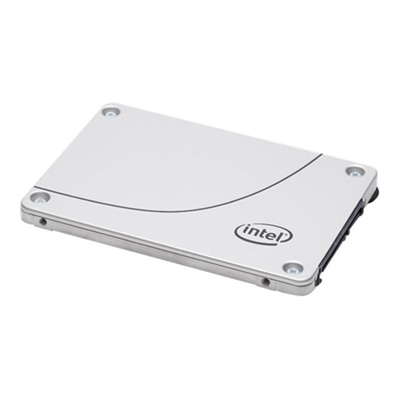
A reliable 240 GB SATA 6Gb/s solid-state drive designed for efficient read-intensive workloads.
A sleek black 2TB SSD with 2,000 MB/s speeds, universal compatibility, and 3-meter drop resistance.
A rugged 16TB SSD with military-grade encryption, crafted from aircraft-grade aluminum for ultimate security.
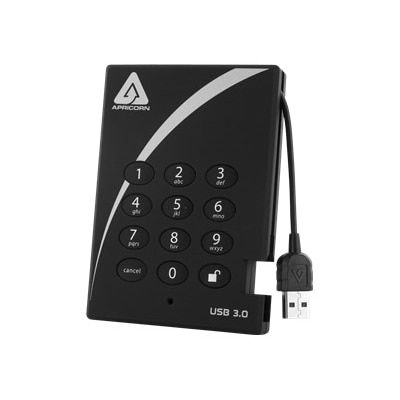
An ultra-fast 2TB SSD with secure PIN access, AES encryption, and USB 3.0 connectivity.
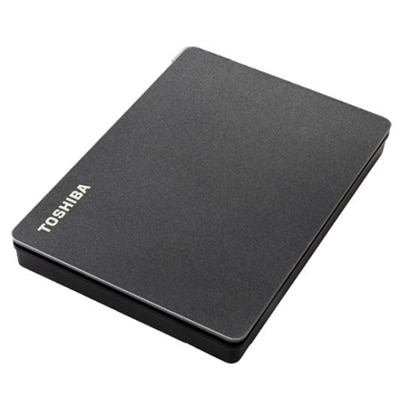
A sleek black portable hard drive offering 4TB storage, ideal for expanding your gaming library.
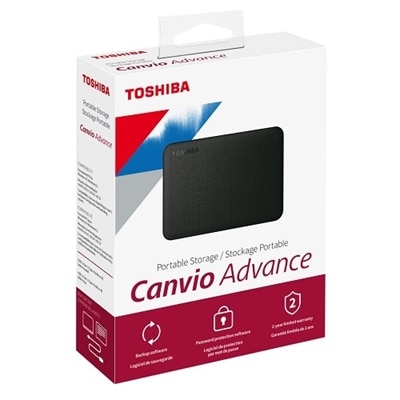
A sleek black 2TB portable hard drive offering reliable performance, automatic backup, and data security.
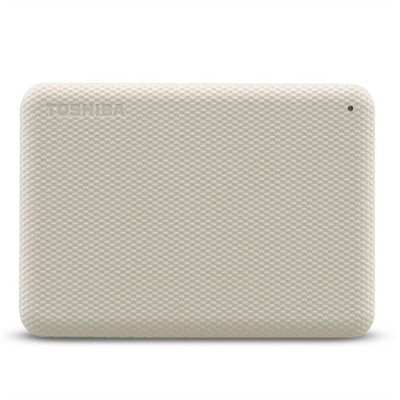
A stylish white 4TB portable hard drive with automatic backup and security software for data protection.
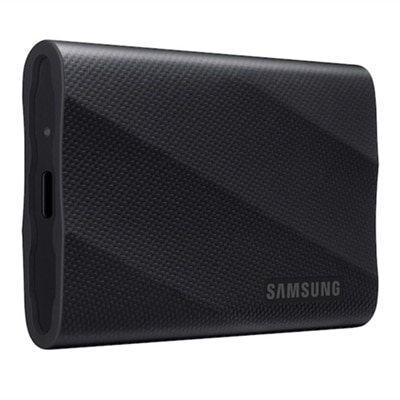
A rugged 4TB portable SSD in black with PCIe NVMe and 2,000 MB/s transfer speeds.
A rugged 2TB portable SSD with 1050MB/s read speed, featuring water resistance and 256-bit AES encryption.
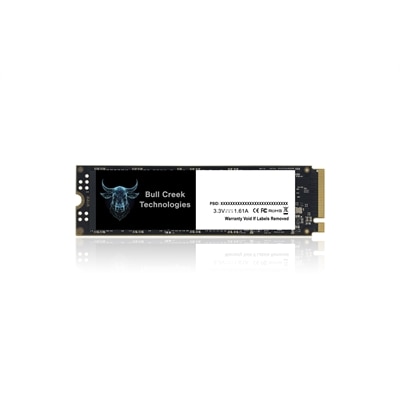
A high-performance 2TB M.2 2280 NVMe SSD offering reliable PCIe Gen 3 x4 speed and stability.
A black 8TB external hard drive offering easy plug-and-play storage with USB 3.0 connectivity.
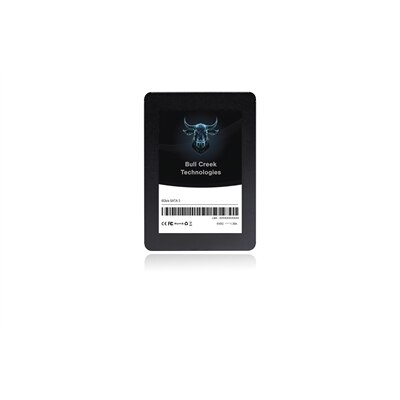
A high-performance 2TB 2.5-inch SATA III SSD designed for reliable, stable business operations.
A high-performance, single-sided PCIe Gen4 x4 SSD offering 2TB capacity and TAA compliance for enterprise use.
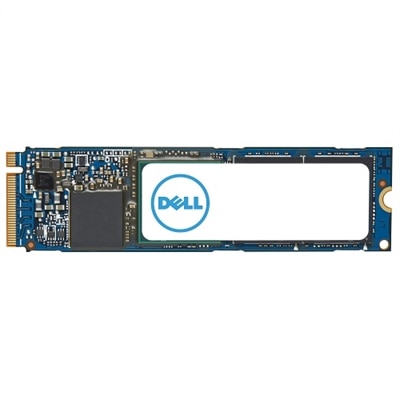
A high-performance 512GB M.2 PCIe Gen 3 SSD designed for reliable, enterprise-grade data storage.
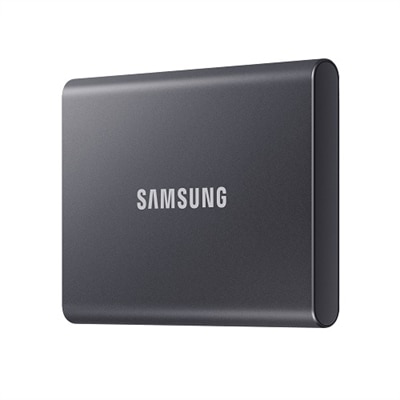
A compact, Titan Gray 2TB SSD offering fast USB 3.2 Gen 2 speeds and robust data protection.
High RPM hard drives stand out as a reliable choice for those seeking robust mechanical storage solutions that deliver both speed and endurance, making them an essential component for a wide array of users, from creative professionals to dedicated gamers and small business owners. As the weather warms and projects ramp up, many find themselves managing larger media libraries, editing high-resolution video, or backing up critical files—scenarios where the fast data access and transfer rates of a 7200rpm external hard drive or a 10000rpm hard drive can make a tangible difference. These drives are engineered to reduce latency and maintain high sustained throughput, which is especially valuable for applications that demand quick file retrieval or frequent data writes, such as video production, CAD design, and data analysis. For those building a personal NAS for home media streaming or looking to expand a desktop workstation’s storage, choosing a high RPM hard drive means enjoying the balance of generous capacity and reliable performance, all at a cost-per-gigabyte that remains competitive compared to solid-state alternatives.
Gifting a high RPM hard drive can also be a thoughtful gesture for students heading into a new academic season, professionals upgrading their home offices, or anyone who values secure, high-speed storage for their digital content. These drives are often favored by individuals who appreciate the peace of mind that comes with ample space for backups, archives, and large project files—without sacrificing speed. The subtle hum and steady performance of a hard drive spinning at 7200rpm or beyond evokes the confidence of tried-and-true technology, especially during those cooler months when indoor projects and data management take priority. While 15,000 RPM models have largely become a rarity, 7200rpm and 10000rpm hard drives remain trusted options for those who need a dependable workhorse that can handle continuous workloads without missing a beat. It’s important to consider factors like drive noise, heat output, and power consumption, as high RPM models do generate more of each compared to their lower-RPM or solid-state counterparts. However, with proper ventilation and thoughtful integration into your setup, these drives can provide years of steadfast service.
When selecting the right high RPM hard drive, consider your storage needs, the nature of your workflows, and the environment where the drive will be used. Whether you’re archiving family photos, managing a burgeoning game library, or supporting a small business’s daily operations, the right drive can streamline your experience and safeguard your data. For those with even greater performance requirements, such as enterprise users or professionals working with large datasets, exploring options like High Performance SAS Drives can further enhance speed and reliability. Ultimately, high RPM hard drives continue to serve as a foundational element in the world of data storage, delivering a blend of proven technology, high capacity, and consistent performance that meets the evolving demands of both work and play throughout the seasons.
High RPM hard drives are commonly used in applications that require faster data access and improved performance, such as gaming, multimedia editing, and running demanding software.
RPM, or revolutions per minute, indicates how quickly the hard drive's platters spin. Higher RPMs generally provide faster read and write speeds, resulting in quicker file transfers and reduced load times.
Most high RPM hard drives use standard interfaces like SATA, making them compatible with a wide range of desktops and some laptops that support 2.5-inch or 3.5-inch drives. Always check your device’s specifications for compatibility.
Choosing a high RPM hard drive can offer faster boot times, improved system responsiveness, and better performance when handling large files or multitasking compared to standard drives with lower RPM.
Yes, high RPM hard drives can be used together with SSDs in a dual-drive setup, allowing users to benefit from the speed of an SSD for system files and the large storage capacity of a high RPM hard drive for data.
Add the products you would like to compare, and quickly determine which is best for your needs.