$25.31
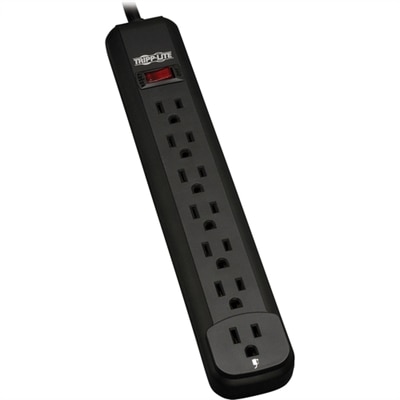
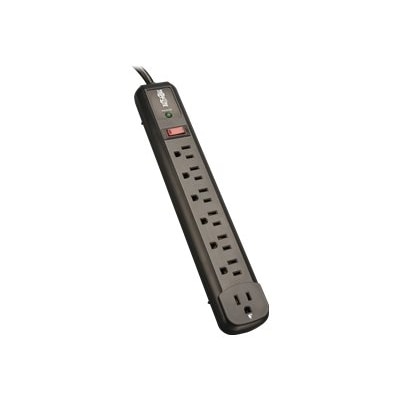
A black surge protector with seven outlets, 1080 joules protection, and a 4 ft. cord.
Power strips are essential tools for managing multiple electronic devices efficiently and safely. Whether you're setting up a home office, entertainment center, or simply need more outlets for your gadgets, power strips provide the convenience and flexibility to keep everything powered up and organized. By offering additional outlets and often incorporating safety features, power strips help you make the most of your space while protecting your valuable electronics. Explore our wide selection of power strips to find the perfect solution for your power needs.
A black surge protector with seven outlets, 1080 joules protection, and a 4 ft. cord.
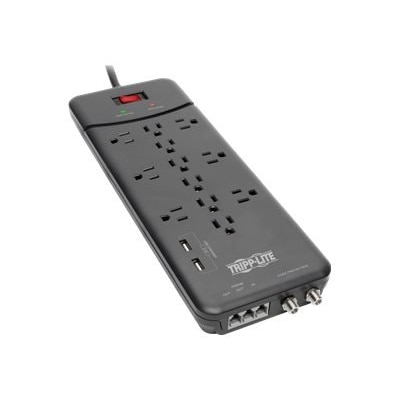
A black 12-outlet surge protector with 4320 joules, 8 ft cord, and dual USB ports for versatile protection.
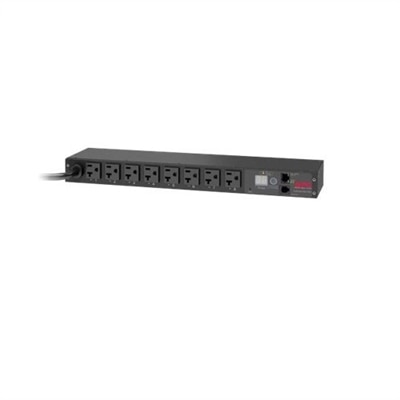
A 1U rack PDU offering advanced load management and outlet power cycling with 20A, 120V capacity.
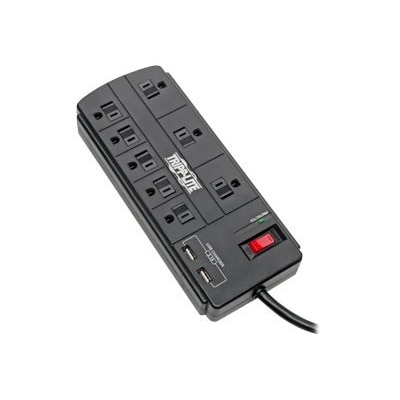
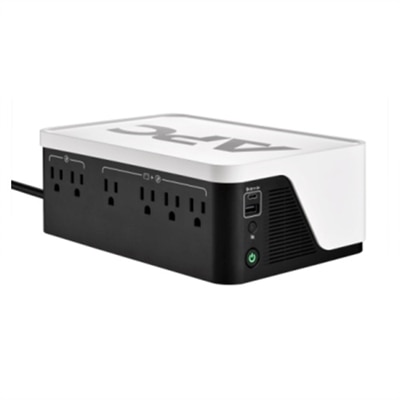
A black 8-outlet surge protector with 1200 joules, 8-ft cord, and 2 USB ports for versatile protection.
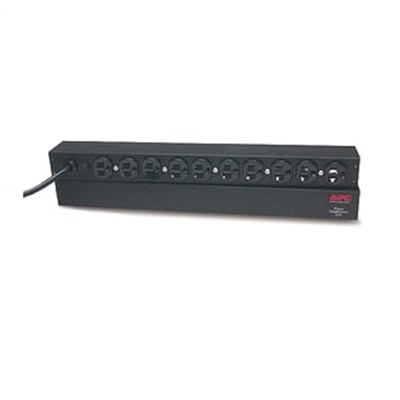
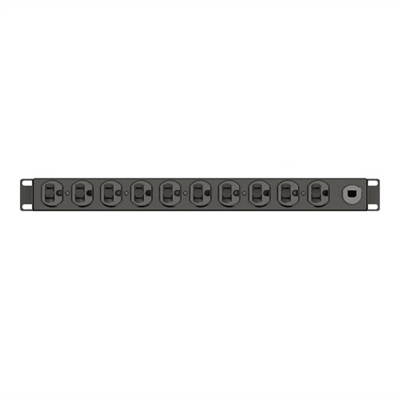
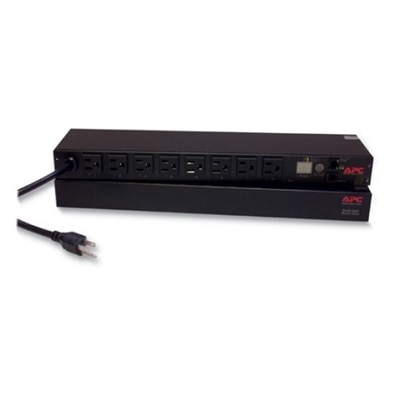
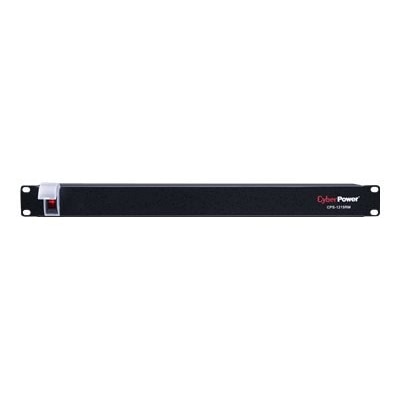
A reliable black rack power distribution unit with 10 outlets, 1U size, 15A, and 120V capacity.
A 1U horizontal rack mount PDU with 10 NEMA 5-20R receptacles for efficient power distribution.
A 3.7kW single-phase PDU with 38 outlets and continuous power monitoring for efficient load management.
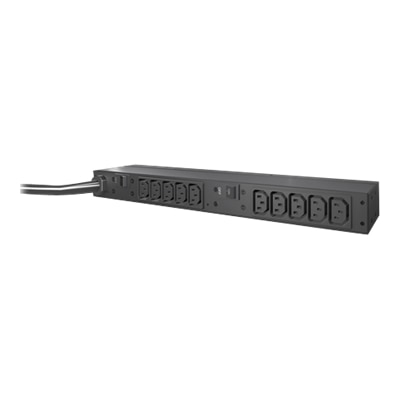
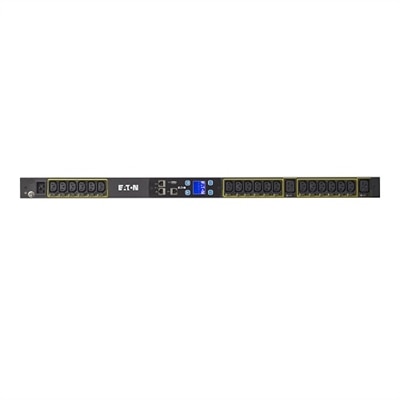
A reliable rack power distribution unit with 10 C13 outlets and real-time remote load monitoring.
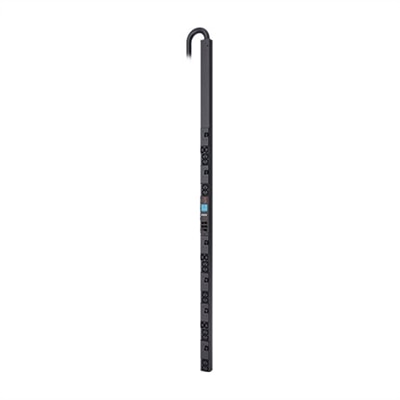
A black vertical PDU offering efficient power distribution with 30A capacity and zero U rack space usage.
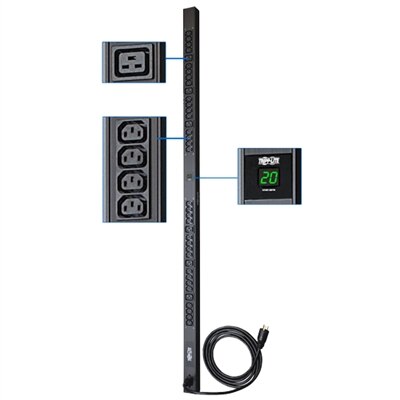
An advanced PDU with high accuracy monitoring, 18 C13 and 2 C19 outlets, and a 10 ft cord.
A light gray surge protector with 6 outlets, 15 ft. cord, and 790 joules of protection.
A 1U power distribution unit with remote management, local monitoring, and multi-tier user access.
A black metered rack PDU with 6 C13 and 12 C19 sockets for efficient power distribution.
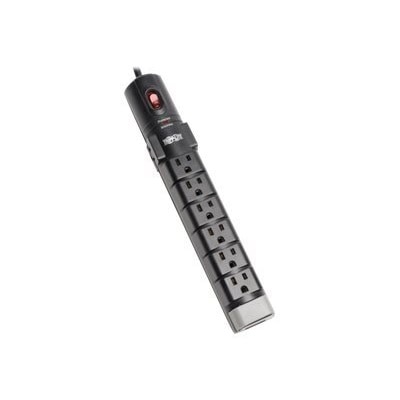
An 8-outlet surge protector with a 6-ft cord, 2160 joules, and Tel/DSL protection.
A reliable black rack power distribution unit with 16A, 208V, and twelve C13 outlets.
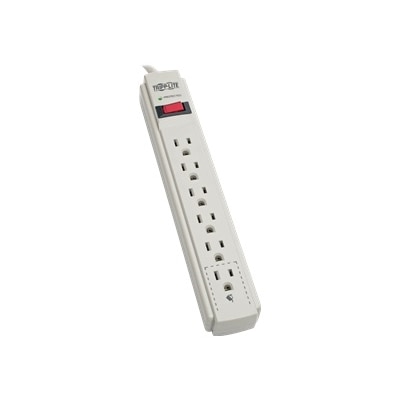
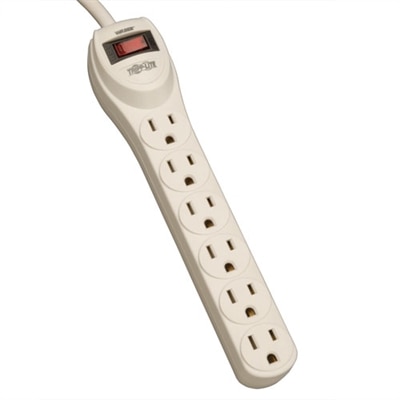
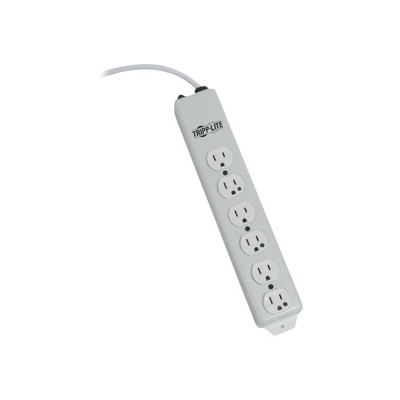
A gray power strip with six outlets and a 4 ft. cord for versatile power distribution.
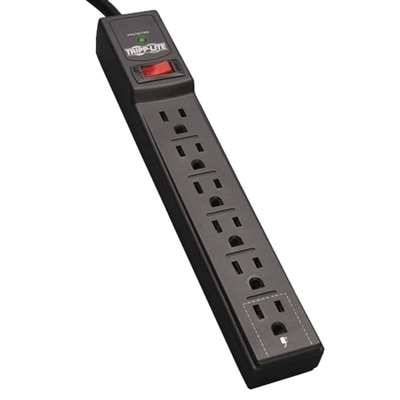
A black surge protector with 6 outlets, 6 ft. cord, 790 joules, and diagnostic LED.
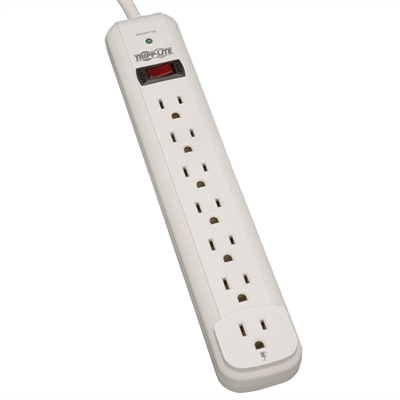
A light gray surge protector with 7 outlets, 6-ft cord, and 1080 joules of AC suppression.
A black 7-outlet power strip with a 12 ft cord and wall-mountable design for efficient power distribution.
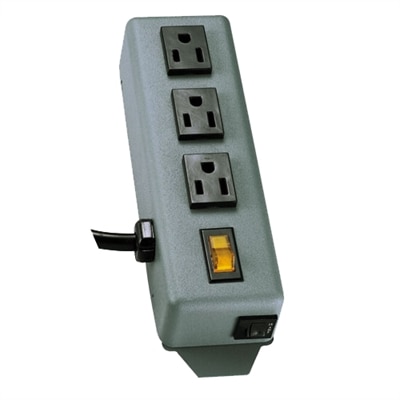
A rugged blue/gray power strip with 3 outlets, 6 ft. cord, and a switch guard.
A black, rackmount PDU with 10 outlets, durable metal housing, and a 15-foot power cord.
A medical-grade power strip with six antimicrobial outlets and a durable all-metal housing.
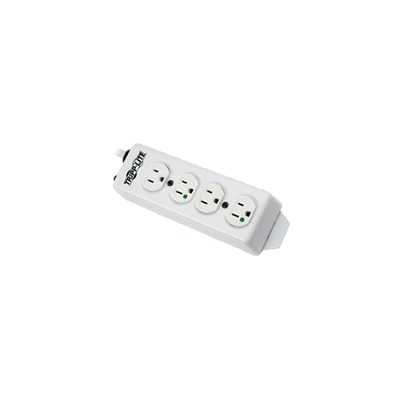
A white medical-grade power strip with antimicrobial coating, four outlets, and a 15 ft. cord.
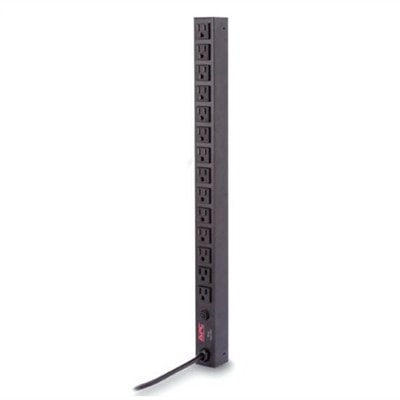
A black 1U rack-mount power strip with 12 outlets and a 15 ft cord for versatile installation.
Power strips make it easier to organize the everyday electronics that gather around a desk, media area, bedside table, or shared workspace. A basic power strip expands one wall outlet into several receptacles, giving you room for low-draw devices such as lamps, alarm clocks, phone chargers, monitors, and other personal electronics. Models with surge protection add another layer of defense by helping divert or limit brief voltage spikes that may occur when power is restored or when electrical conditions change. This can be especially useful for computers, displays, game consoles, televisions, and other sensitive equipment, although no power strip can prevent every type of electrical damage. When comparing options, start by counting the devices you expect to connect and allowing extra space for future additions. Outlet spacing also matters: wider receptacles can accommodate bulky charging blocks without covering neighboring outlets, while a longer cord can make it easier to position the strip safely near a desk or entertainment center. Integrated USB-A or USB-C charging ports may reduce the need for separate adapters and keep a collection of phones, tablets, earbuds, and other compact electronics within easy reach. A flat plug can fit more neatly behind furniture, and a power switch with an indicator light provides a quick way to shut down connected equipment when the area is not in use. For a setup that needs several protected outlets in a compact format, explore 7 Outlet Surge Protectors.
The electrical rating is one of the most important details to review before choosing a power strip. Many standard household power strips are rated for up to 1,875 watts, or 15 amps, when connected to a properly grounded wall outlet, but the exact rating varies by model and should always be checked on the product label or packaging. Add the wattage of the devices you plan to use and stay within the stated capacity. Power strips are generally intended for electronics and other light-duty equipment, not high-draw appliances. Avoid connecting space heaters, refrigerators, air conditioners, microwaves, toaster ovens, coffee makers, or similar appliances unless the manufacturer specifically states that the strip is designed and approved for that purpose. Never plug one power strip into another power strip or into an extension cord. This practice, often called daisy chaining, can overload a circuit and create a serious fire hazard. Instead, choose a strip with enough outlets and a cord of suitable length, and connect it directly to a wall outlet. An integrated circuit breaker is another useful feature because it can shut off power if the strip detects an overload. Keep the strip uncovered, away from rugs, bedding, water, and heat sources, and replace it if the cord becomes frayed, the housing is cracked, the switch feels damaged, or the unit shows signs of scorching. Surge protection components can wear down after repeated electrical events, so check for an indicator light or status label and follow the manufacturer’s replacement guidance.
Power strips can serve a wide range of people and spaces. A student or remote worker may use one to keep a laptop, monitor, desk lamp, phone charger, and small accessories arranged around a single work surface without reaching behind furniture each time a device needs power. In a family room, a protected strip can help consolidate entertainment electronics while making it easier to disconnect several devices before leaving the room. During the cooler months, it can bring order to a home office where lighting, displays, and charging cables tend to accumulate indoors, while a compact design can be useful in guest rooms, dorm-style spaces, and travel workstations. A power strip may also be a practical gift for someone moving into a new home, setting up a first apartment, refreshing a study area, or building a more organized gaming and media space. Look for features that match the recipient’s habits rather than choosing solely by outlet count. Someone who charges several mobile devices may appreciate USB ports, while a person with a computer and display setup may place greater value on surge protection, spaced outlets, and a sturdy on-off switch. Wherever it is used, keep the strip accessible enough to inspect and operate, avoid covering it with furniture or fabric, and use each outlet only for equipment within the strip’s intended electrical rating. With the right capacity, protection features, and placement, a power strip can reduce cable clutter, simplify charging, and help make a busy electronics area feel more deliberate and manageable.
Add the products you would like to compare, and quickly determine which is best for your needs.