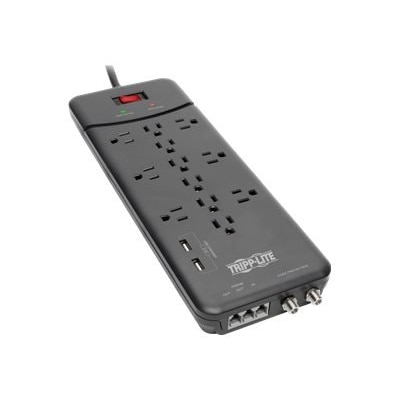
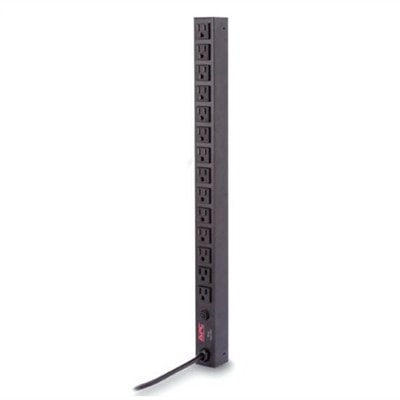
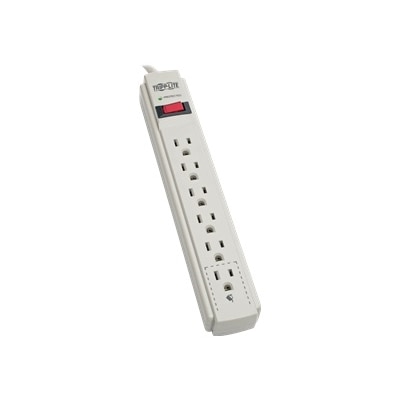
Undercounter Power Strips
Undercounter power strips offer a convenient way to keep workspaces organized and powered up without cluttering surfaces. Ideal for kitchens, offices, workshops, and other areas where accessible outlets are essential, undercounter power strips provide a discreet solution for managing multiple devices. Explore options designed to seamlessly fit beneath counters and cabinets, helping to maintain a clean and efficient environment while ensuring reliable access to electricity.
This product is not available
Check out the following recommendations.


Undercounter Power Strips
Undercounter power strips offer a practical way to bring electrical access closer to the places where people work, prepare food, create, and recharge devices. Mounted beneath a cabinet, desk, counter, shelf, or workbench, these compact units keep outlets within reach while preserving a clean, uncluttered surface. They can be especially useful in home offices where a monitor, laptop, desk lamp, speakers, and charging cables compete for limited wall outlets. In a kitchen or coffee station, an undercounter configuration can provide a more convenient connection point for small countertop appliances without placing a long cord across the backsplash or work area. In a workshop, craft room, laundry area, or hobby space, it can help organize tools, task lighting, and portable electronics around a central work surface. Many options include a combination of standard AC outlets and USB-A or USB-C ports, allowing users to power equipment and charge mobile devices from one discreet location. A low-profile design is often preferable where headroom is limited, while angled outlets can make plugs easier to insert and remove beneath a cabinet. Consider the available length, outlet spacing, cord placement, and finish so the unit fits naturally with the surrounding furniture. A black, white, silver, or neutral finish may blend with cabinetry and hardware, while a slim profile can remain nearly invisible from a seated or standing position. For workspaces that need access from more than one side, placement and outlet orientation can be just as important as the total number of receptacles.
Before choosing an undercounter power strip, measure the mounting area carefully and identify the location of the nearest wall outlet or junction box. Plug-in models are generally convenient for renters, home offices, and finished spaces because they can be positioned with minimal disruption, while hardwired configurations are better suited to planned renovations and permanent installations. Hardwired electrical work should be completed by a licensed electrician, and any installation should follow applicable local requirements. In kitchen settings, outlet placement and spacing may be subject to electrical code provisions, particularly around sinks, cooking areas, and wet locations. The underside of a cabinet also deserves careful attention: measure the thickness of the mounting surface, confirm that the included hardware is appropriate, and avoid screws that could pass through the cabinet bottom. Short screws with washers may be suitable for some installations, but the correct hardware depends on the material and construction. Check whether the strip is intended for indoor use, whether it includes grounding, and whether it offers overload protection, a circuit breaker, or surge protection. These features are not interchangeable, and a surge-protected model may be useful for sensitive electronics while a basic power strip may be sufficient for simple lighting or charging needs. Review the electrical rating, maximum wattage, and cord length before connecting appliances, and avoid exceeding the unit’s capacity. High-draw equipment such as heaters, kettles, cooking appliances, and power tools may require a dedicated outlet rather than a shared strip. Keep cords away from heat, water, sharp edges, and areas where they could be snagged, and leave enough clearance to operate switches or access USB ports comfortably. For additional configurations that place outlets in a different orientation, explore Vertical Power Strips as another way to organize power in compact spaces.
The right undercounter power strip depends on the people using the space as much as the space itself. A remote worker may value several widely spaced outlets for a laptop charger, display, phone, and desk lamp, with USB ports that reduce cable clutter. A student setting up a study nook may prefer a simple plug-in design that keeps chargers close without taking over the desktop. Families can use an undercabinet unit to make shared charging more orderly in a kitchen, mudroom, or homework area, while makers and hobbyists may need sturdy construction, a longer cord, and enough outlet capacity for task lighting and small equipment. These products can also make thoughtful gifts for someone building a home office, updating a workshop, or arranging a new apartment, particularly when the recipient is focused on organization and everyday convenience. For a gift or shared household space, look for features that support flexible use, such as accessible ports, a clearly positioned power switch, and a cord that reaches the intended wall connection without excessive slack. In a professional office, reception area, training room, or collaborative workspace, an undercounter strip can help keep presentation equipment and personal devices powered while preserving a polished appearance. Installation location should remain easy to inspect, and power strips should not be hidden where heat can accumulate or where damage cannot be noticed. Periodically check for loose mounting, frayed cords, discoloration, unusual warmth, or outlets that no longer hold plugs securely. Replace a unit that shows signs of wear rather than continuing to use it. With careful measurements, suitable electrical ratings, and placement that matches the room’s daily routines, an undercounter power strip can provide convenient access to power while helping a counter, desk, or workbench stay clear and comfortable through the cooler months and beyond.
FAQs:
An undercounter power strip helps keep your workspace organized by providing easy access to power outlets while keeping cords off your desk and out of sight. This setup reduces clutter, supports a clean aesthetic, and makes it convenient to plug in laptops, monitors, and other devices commonly used in a home office.
Undercounter power strips are ideal for students, remote workers, hobbyists, and anyone who uses multiple electronic devices in a single area. They are also a thoughtful gift for tech enthusiasts or anyone looking to streamline their workspace or kitchen.
Yes, undercounter power strips are a popular choice in kitchens, where they provide convenient power for small appliances, chargers, and other gadgets without taking up valuable countertop space.
By mounting the power strip under a counter or desk, cables can be routed neatly and kept out of view. This not only improves the look of the space but also makes it easier to keep surfaces clean and organized.
Absolutely. In shared workspaces, undercounter power strips allow multiple users to access power easily without crowding the main work surface, supporting collaboration and keeping the area tidy.