$170.99
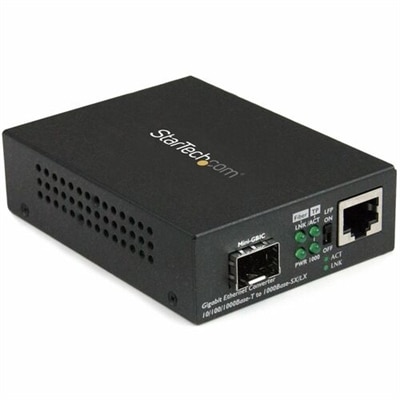
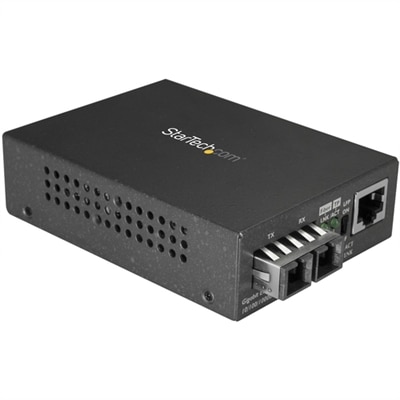
A wall-mountable media converter bridging Gigabit Ethernet and single-mode fiber up to 10 km with SC and RJ45 ports.
Single mode fiber media converters provide a reliable solution for extending network connectivity over long distances using single mode fiber optic cabling. Ideal for businesses and organizations looking to enhance data transmission efficiency, these devices help bridge the gap between different types of network media. Explore a range of single mode fiber media converters designed to support seamless integration into your existing infrastructure while maintaining high performance and flexibility for your networking needs.
A wall-mountable media converter bridging Gigabit Ethernet and single-mode fiber up to 10 km with SC and RJ45 ports.
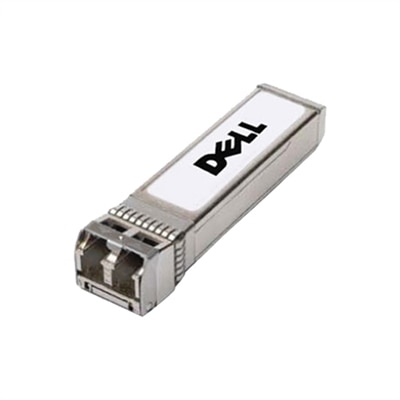
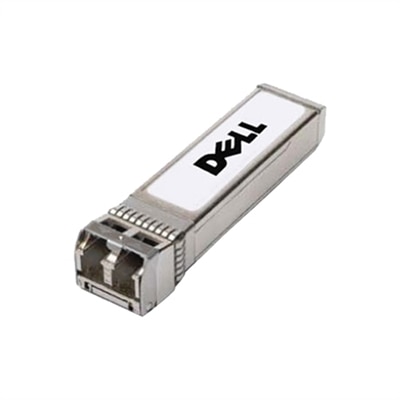
A hot-pluggable transceiver offering 25GbE fiber connectivity with real-time diagnostic monitoring capabilities.
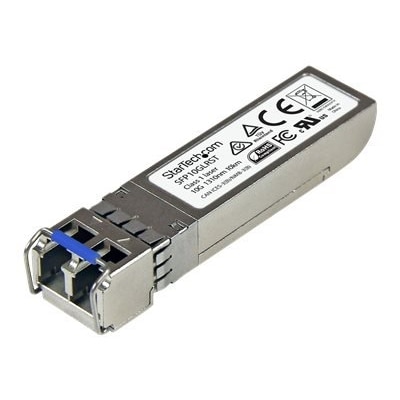
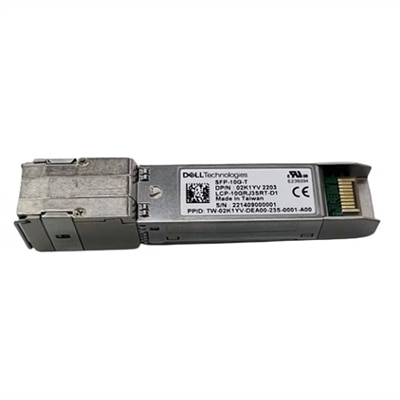
A hot-swappable fiber transceiver module providing 10 GbE connectivity over single mode fiber up to 10 km.
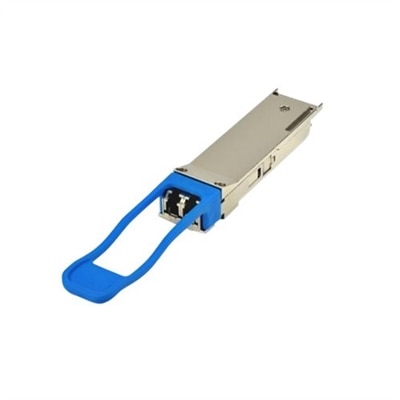
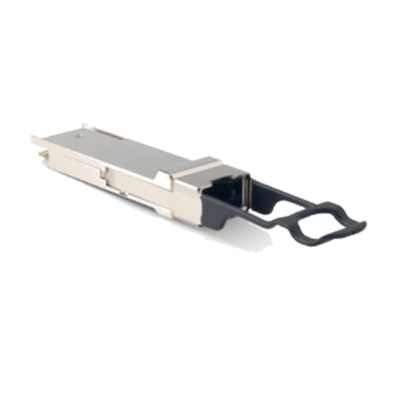
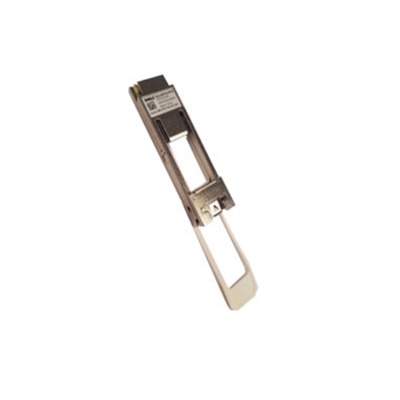
A 4-channel QSFP28 optical transceiver for 100 GbE links, supporting up to 10 km on single mode fiber.
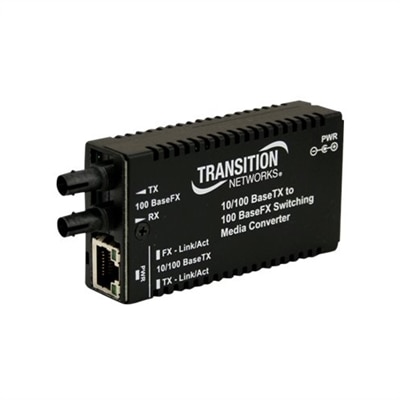
A compact, plug-and-play media converter enabling seamless fiber integration into copper-based Fast Ethernet networks.
A hot-pluggable transceiver offering 10GbE fiber connectivity with real-time diagnostic monitoring capabilities.
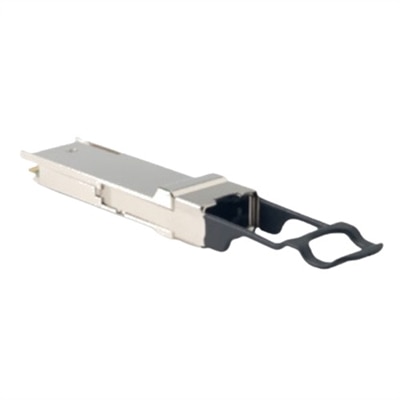
A hot-pluggable QSFP28 transceiver offering 100GbE fiber connectivity up to 2km with LC Duplex connector.
A versatile media converter that bridges copper Ethernet to Gigabit fiber with an open SFP slot.
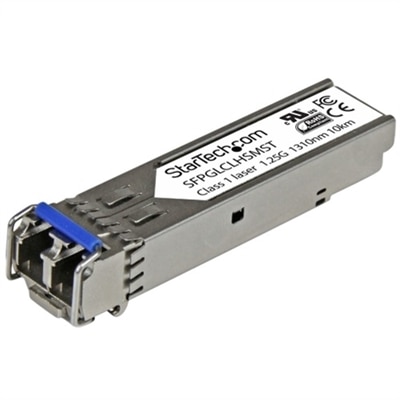
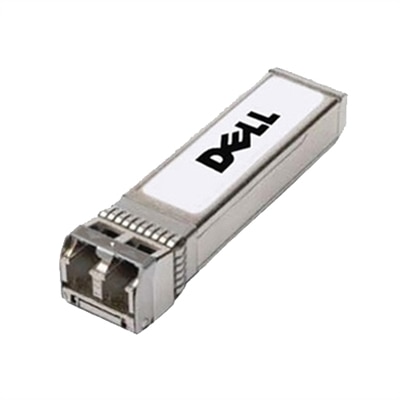
A reliable SFP module offering 1GbE connectivity over fiber with a 10 km range and LC connector.
A single-mode fiber module that simplifies networking and reduces costs with easy plug-in installation.
A hot-pluggable transceiver offering 25GbE fiber connectivity with real-time diagnostic monitoring and Duplex LC connector.
A hot-pluggable transceiver offering 100GbE fiber connectivity up to 10km with enhanced digital diagnostics.
Single mode fiber media converters are essential components for anyone looking to bridge the gap between copper-based Ethernet networks and the extended reach of fiber optic cabling. These devices are especially valuable in environments where data needs to travel long distances without loss or interference, such as sprawling campuses, business parks, or multi-building facilities. As the weather warms and projects move outdoors, IT professionals often find themselves tasked with extending network connectivity between distant buildings or remote security cameras. A fiber media converter single mode unit enables seamless integration, transforming electrical Ethernet signals into optical signals that can traverse up to 80 kilometers or more, depending on the model and fiber type. These converters typically use standard wavelengths of 1310nm or 1550nm, and their plug-and-play operation makes them accessible even for those who may not specialize in networking. Whether you’re setting up a surveillance system across a large property or connecting remote offices, selecting a media converter with the correct connector type—such as SC or LC—is crucial to ensure compatibility with your existing fiber infrastructure.
When considering a single mode LC fiber to Ethernet converter, it’s important to match not only the connector type but also the data rate and wavelength to your network’s requirements. For instance, sfp28 media converter options are designed for higher bandwidth applications, supporting data rates up to 25Gbps—ideal for enterprises handling large volumes of data or streaming high-resolution video feeds. Cleanliness is another key factor, as single mode fiber has a smaller core than multimode, making it more sensitive to dust and contaminants. Many organizations choose these converters to extend WAN connections for ISPs or telecom providers, or to link distant IP cameras back to a central security hub. Industrial variants with wide temperature tolerances are also available for outdoor or harsh environments, ensuring reliable performance through the changing conditions of early summer into the cooler months of fall. For those new to fiber networking, or looking to upgrade from copper, these converters offer a straightforward solution to future-proof your infrastructure, supporting both current needs and anticipated growth.
Single mode fiber media converters are not only practical but can also make thoughtful gifts for network engineers, IT managers, or anyone embarking on a home lab or smart home expansion. As more professionals and tech enthusiasts tackle ambitious networking projects in the longer daylight hours, these converters provide the flexibility and reliability needed to connect devices across greater distances. If your setup requires shorter-range connections or you’re comparing options, you might also explore Multi Mode Fiber Cables for environments where multimode fiber is more appropriate. Regardless of the application, investing in a quality media converter ensures that your network remains robust, secure, and ready for whatever challenges the season brings. From extending security coverage to supporting high-speed data transfers between buildings, single mode fiber media converters are a cornerstone of modern connectivity, empowering you to build networks that are as resilient and far-reaching as your ambitions.
Single mode fiber media converters enable long-distance data transmission with minimal signal loss, making them ideal for connecting remote locations or extending network infrastructure across campuses, business parks, or industrial environments. They also support high-speed Ethernet connectivity and offer flexible options, such as SFP ports for interchangeable fiber modules and support for advanced features like WDM for bi-directional communication.
Single mode fiber media converters are commonly used by IT professionals in enterprise, industrial, and commercial settings. They are also valuable for anyone needing to connect equipment over long distances, such as security camera installations, educational institutions, manufacturing facilities, and even tech enthusiasts building advanced home or lab networks.
SFP ports add versatility to single mode fiber media converters by allowing users to swap out transceiver modules. This means you can easily adapt to different fiber types, connector styles (like SC or LC), or network speeds without replacing the entire converter, making it easier to upgrade or reconfigure your network as needs change.
Yes, single mode fiber media converters are specifically designed to bridge copper-based Ethernet devices with fiber optic networks. They convert electrical Ethernet signals from RJ45 ports into optical signals suitable for transmission over long distances via single mode fiber.
Multi mode fiber can be a more cost-effective solution for shorter distances, such as within a single building or between closely situated locations. If your networking needs do not require the extended reach of single mode fiber, you may want to consider options like Multi Mode Fiber Cables for optimal performance and value.
Add the products you would like to compare, and quickly determine which is best for your needs.