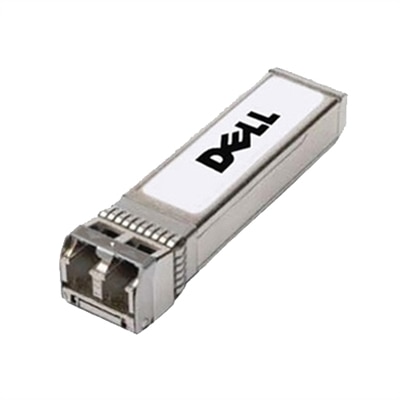
Optical Transceivers
Optical transceivers play a crucial role in modern networking by enabling high-speed data transmission across fiber optic cables. Designed for seamless integration with a variety of devices, optical transceivers support reliable and efficient connectivity for both enterprise and personal use. Explore a wide selection of optical transceivers to find the right solution for your networking requirements, whether you are upgrading existing systems or building new infrastructure.
This product is not available
Check out the following recommendations.


Optical Transceivers
Optical transceivers play a pivotal role in modern networking by serving as the essential link between network switches, routers, and fiber optic cabling. These compact, hot-pluggable modules are designed to convert electrical signals into light pulses for transmission and then back again for reception, enabling high-speed data transfer over fiber optic networks. Whether you’re managing a growing enterprise network, supporting a university campus, or upgrading connectivity in a small business, understanding the nuances of optical transceivers can make a significant difference in network performance and reliability. As organizations and individuals look to scale their digital infrastructure during the late summer and into the cooler months, these modules offer the flexibility to adapt to changing bandwidth requirements, support new applications, and future-proof network investments. The technology inside each transceiver—typically including a laser diode transmitter, a photodiode receiver, and a microcontroller for power management and Digital Optical Monitoring—ensures precise, efficient, and secure data movement across both short and long distances.
Selecting the right optical transceiver involves several key considerations that go beyond simple compatibility. The make and model of your network switch or router will determine which form factors—such as SFP, SFP+, SFP28, QSFP, or QSFP-DD—are supported. Each form factor is tailored for different speed and density requirements, from 1 Gbps links in traditional office environments to 400G modules in advanced data centers. Distance and fiber type are equally important: single-mode transceivers are ideal for long-haul connections between buildings or across campuses, while multi-mode modules excel in shorter, high-density environments like server rooms or labs. As data demands grow with the start of a new academic year or the ramp-up to a busy business season, IT professionals and technical teams often find themselves upgrading their optical modules to accommodate new workloads, enhance redundancy, or support emerging technologies. These upgrades can be a thoughtful gift for tech-savvy colleagues, network engineers, or anyone looking to optimize their home or office connectivity, especially when paired with other compatible networking accessories.
For those seeking to enhance their network’s capabilities, exploring specialized modules such as 10GbE SFP+ Transceivers can provide the right balance of speed and flexibility. These modules are particularly well-suited for environments where reliable, high-throughput connections are essential, such as creative studios, research labs, and collaborative workspaces. As the pace of digital transformation accelerates, investing in the right optical transceivers can help ensure seamless communication, efficient data transfers, and the ability to scale as your needs evolve. Whether you’re upgrading existing infrastructure or building out a new network, choosing the correct transceiver for your application is a crucial step toward achieving consistent, high-performance connectivity throughout the year.
FAQs:
An optical transceiver is a device that both transmits and receives data using light signals over fiber optic cables. It converts electrical signals from devices into optical signals for transmission, and then back into electrical signals for reception.
The main types of optical transceivers include SFP (Small Form-factor Pluggable), SFP+, QSFP (Quad Small Form-factor Pluggable), and CFP (C Form-factor Pluggable). Each type supports different data rates and connection standards.
Optical transceivers are commonly used in networking environments such as enterprise networks, telecommunications, data centers, and campus networks to enable high-speed data transfer over long distances.
Yes, most modern optical transceivers are designed to be hot-swappable, meaning they can be inserted or removed from compatible ports without powering down the device.
When selecting an optical transceiver, consider factors such as compatibility with your device's port type, supported data rates, transmission distance requirements, and the type of fiber optic cable being used.