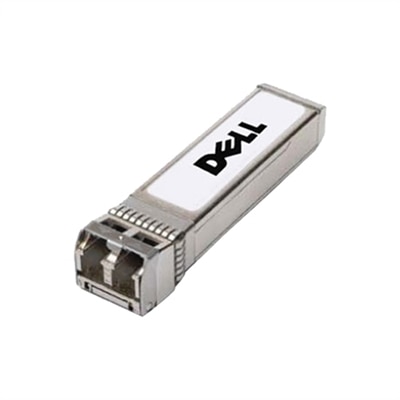
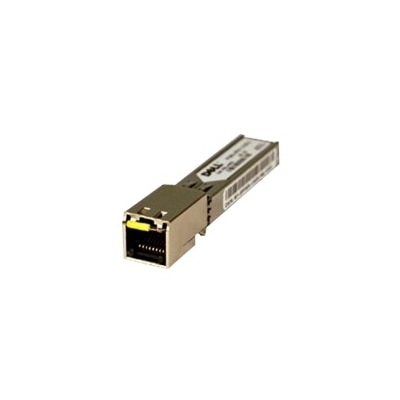
A hot-pluggable transceiver offering 10GbE fiber connectivity with 300m reach and real-time diagnostics.
Small Form Factor Pluggable Transceivers
Small form factor pluggable transceivers are essential components for modern networking environments, offering reliable connectivity and efficient data transfer across various devices. Designed to support high-performance networks, these compact modules help optimize space without compromising on network speed or flexibility. Explore a wide selection of small form factor pluggable transceivers to find the right solution for expanding or upgrading your current infrastructure with ease.
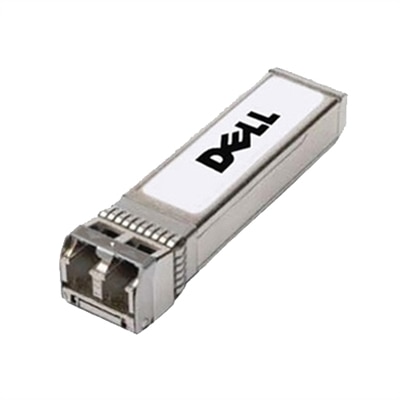
A hot-pluggable transceiver offering 25GbE fiber connectivity with real-time diagnostic monitoring capabilities.
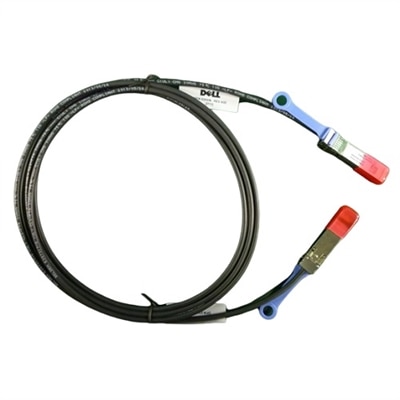
A hot-pluggable transceiver offering 10GbE connectivity up to 10 km with real-time diagnostics.
A hot-pluggable SFP transceiver module enabling 1000Base-T, SX, or LX interfaces for high-speed data communication.
A hot-pluggable SFP module enabling 1000Base interfaces, compatible with Cisco routers and switches.
A hot-pluggable transceiver offering 10GbE fiber connectivity with real-time diagnostic monitoring capabilities.
A hot-pluggable transceiver offering 100GbE connectivity with Duplex LC connector for up to 100m range.
A hot-pluggable transceiver offering 100GbE connectivity with real-time diagnostic monitoring capabilities.
A hot-pluggable transceiver offering 1000BASE-SX fiber connectivity up to 550 meters with diagnostic monitoring.
A hot-pluggable transceiver offering 25GbE connectivity up to 100m with real-time diagnostic monitoring.
A hot-pluggable SFP transceiver offering 1.25GbE connectivity up to 100 meters with diagnostic monitoring.
A hot-pluggable transceiver offering 10GbE connectivity up to 30m with real-time diagnostic monitoring.
A hot-pluggable transceiver offering 100GbE connectivity up to 100m with real-time diagnostic monitoring.
A high-temperature optical transceiver offering 10GbE-1GbE connectivity with real-time diagnostic monitoring.
A hot-pluggable SFP+ transceiver offering 10GbE fiber connectivity with a 10km reach and 1310nm wavelength.
A hot-pluggable transceiver with Duplex LC connector offering 10GbE connectivity up to 400 meters.
A 12-pack of hot-pluggable SFP+ transceivers offering 10GbE connectivity with 300m reach and diagnostics.
A hot-pluggable transceiver offering 100GbE fiber connectivity up to 300 meters with real-time diagnostics.
A hot-pluggable transceiver offering 1000BASE-LX connectivity with a 10km range and real-time diagnostics.
A hot-swappable fiber transceiver module providing 10 GbE connectivity over single mode fiber up to 10 km.
A hot-pluggable transceiver offering 10GbE fiber connectivity with real-time diagnostic monitoring.
A hot-pluggable SFP module enabling 1000Base interfaces, compatible with Cisco routers and switches.
An 8-pack of hot-pluggable transceivers offering 16GbE fiber connectivity with real-time diagnostic monitoring.
A hot-pluggable transceiver offering 100GbE connectivity up to 30 km with real-time diagnostics.
Small Form Factor Pluggable Transceivers
Small form factor pluggable transceivers, often referred to as SFPs, have become an essential component in the backbone of modern networking infrastructure. These compact, hot-swappable modules are designed to provide flexible and scalable connectivity solutions for a wide range of environments, from bustling enterprise data centers to smaller office networks. As the demand for higher bandwidth and reliable data transmission continues to grow, SFP modules have proven indispensable for network administrators and IT professionals who need to optimize their systems without sacrificing valuable rack space. Whether you’re expanding a fiber optic network, upgrading existing switches, or planning a new installation, small form pluggable transceivers offer the adaptability to support varying transmission speeds and distances. Their modular design allows for seamless integration with a variety of networking equipment, making it easier to future-proof your infrastructure as technology evolves.
When considering which small form factor pluggable module is best suited for your needs, it’s important to evaluate several key factors. The type of network—whether it’s a campus, data center, or branch office—will influence your choice of transceiver, as will the specific requirements for data rate, reach, and compatibility. For example, those managing high-density environments often prioritize transceivers that support gigabit or 10-gigabit speeds, while organizations with extensive fiber runs might seek modules designed for long-range transmission. Compatibility is another crucial consideration; ensuring that your chosen pluggable transceiver aligns with your existing switches and routers can save time and prevent connectivity issues down the line. Many network professionals appreciate the versatility of SFPs, as they can be easily swapped out or upgraded to accommodate new technologies and evolving bandwidth demands. During the winter months, when many businesses undergo routine maintenance or plan for the coming year, investing in the right small form factor pluggable solutions can help ensure seamless operations and minimize downtime. For those working with Cisco equipment, exploring options like cisco sx compatible modules can provide additional assurance of performance and reliability. If you’re seeking more detailed compatibility information, the SFP Modules For Cisco Switches page offers a comprehensive overview to help guide your selection.
Small form factor pluggable transceivers are not only a practical investment for IT departments but can also be a thoughtful gift for tech enthusiasts, network engineers, or anyone responsible for maintaining robust connectivity in professional or home lab environments. Their compact size and straightforward installation make them accessible even to those who are newer to network hardware upgrades. Imagine the satisfaction of unboxing a pluggable transceiver during the colder months, ready to enhance a home office setup or streamline a growing business’s communication backbone. These modules often serve as the unsung heroes behind smooth video conferencing, uninterrupted cloud access, and the fast transfer of large files—capabilities that become even more critical during peak business seasons or remote work surges. With their proven reliability and adaptability, small form factor pluggable modules continue to be a cornerstone of modern networking, supporting the seamless flow of information that keeps organizations connected and productive year-round.
FAQs:
SFP transceivers come in several types, including SFP (1Gbps), SFP+ (10Gbps), and others designed for different data rates and distances. They are used for connecting switches, routers, and other network devices over copper or fiber optic cables. Multi-mode SFPs are ideal for short-distance links within buildings, while single-mode SFPs support longer distances, such as connecting different buildings across a campus.
Compatibility depends on your network device's make and model, the required data rate, and the type of connection (fiber or copper). It's important to consult your device's documentation or support resources to ensure the SFP module matches the supported standards. Some devices may require vendor-specific SFPs, while others are more flexible.
Hot-swappable SFP transceivers allow you to replace or upgrade modules without powering down your network equipment. This feature minimizes downtime, making it easier to perform maintenance, upgrades, or troubleshooting in environments where network availability is critical.
Yes, SFP transceivers are available for both fiber optic and copper connections. Fiber SFPs use optical cables for longer distances, while copper SFPs (often called SFP-T or SFP RJ45) use standard Ethernet cables for shorter distances. This versatility allows you to adapt your network as your needs change.
Keeping spare SFP transceivers ensures you can quickly address unexpected network changes or module failures. This practice helps maintain network uptime and allows for rapid scaling or troubleshooting, which is especially valuable in mission-critical environments such as data centers, hospitals, and enterprise networks.