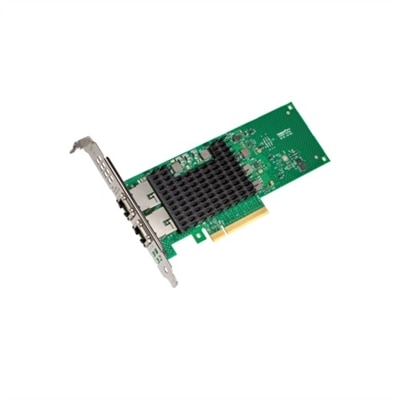
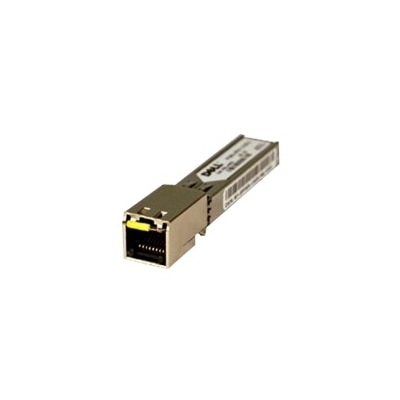
10GbE SFP+ Transceivers
10GbE SFP+ transceivers are essential components for high-speed data transfer and reliable network connectivity in modern enterprise environments. Designed to support 10-gigabit Ethernet applications, these transceivers enable seamless communication between switches, servers, and storage devices. Whether upgrading an existing network or building a new infrastructure, 10GbE SFP+ transceivers offer the flexibility and scalability needed to meet demanding performance requirements. Explore a wide selection of options to find the ideal solution for your networking needs.
This product is not available
Check out the following recommendations.
Related Products
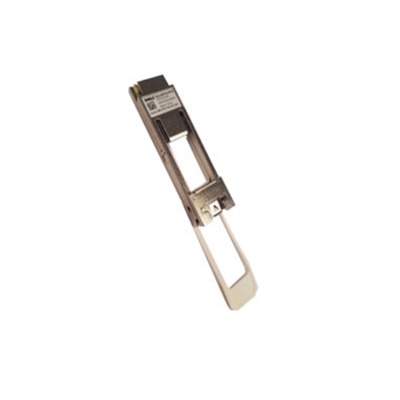
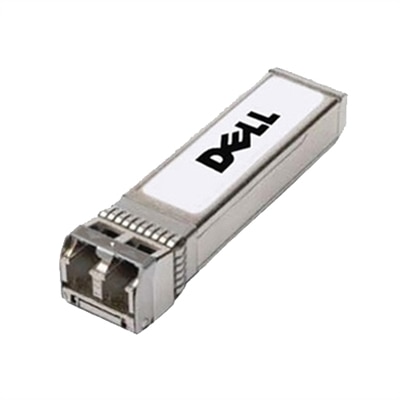
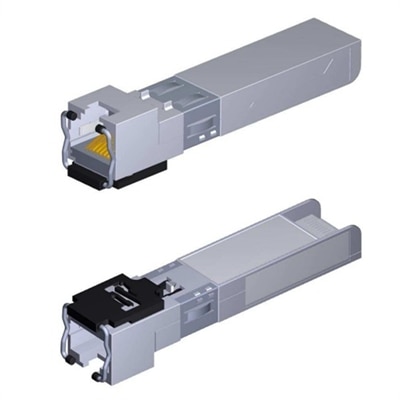
10GbE SFP+ Transceivers
10GbE SFP+ transceivers are compact, interchangeable modules designed to add 10-gigabit connectivity to compatible switches, routers, and other equipment with SFP+ ports. They are often used when a high-speed link must be extended between devices, joined to an existing fiber run, or adapted to the cabling already installed in a home lab, office, studio, campus, or technical workspace. Each transceiver sits inside an SFP+ slot and converts electrical signals into optical signals for fiber connections, or supports electrical transmission when paired with compatible copper cabling. Many models are hot-pluggable, allowing an administrator or experienced home user to replace or install a module without shutting down every connected device, although the equipment manufacturer’s instructions should always be followed. A 10GbE SFP+ transceiver can be a practical choice for moving large media libraries, supporting virtualized workloads, connecting workstations to shared storage, or giving a growing office more bandwidth for simultaneous file transfers, high-resolution video, backups, and collaboration. Before choosing one, confirm that the host equipment includes an SFP+ port and that the port supports the intended speed and module type. Some ports accept only 10GbE modules, while others support multiple data rates; compatibility is determined by the hardware, firmware, and manufacturer specifications. A module that fits physically is not automatically guaranteed to operate correctly, so checking the supported transceiver list, coding requirements, and port settings can prevent frustrating trial and error. It is also helpful to confirm whether the connection requires one transceiver or a matched pair. A direct link between two SFP+ ports generally needs a compatible module at each end, with both modules suited to the same cable type, wavelength, and transmission standard.
The most important purchase consideration is the relationship between the transceiver, the cable, and the distance between connected devices. Short-range 10GBASE-SR modules typically use an 850nm wavelength over multimode fiber and are commonly selected for in-building connections. With suitable OM3 or OM4 multimode cabling, reach may extend to approximately 300 or 400 meters, respectively, though actual performance depends on cable quality, connectors, installation conditions, and the specifications of the equipment at both ends. Long-range 10GBASE-LR modules generally use a 1310nm wavelength over single-mode fiber and can reach distances of up to about 10 kilometers when the complete link is designed for that range. Extended-range options may use a 1550nm wavelength and single-mode fiber for substantially longer runs, but these modules require careful planning around optical power, link budgets, connectors, and the receiving equipment. For shorter runs where existing copper cabling is preferred, a 10GBASE-T SFP+ module can provide an RJ45 connection for compatible Cat6A or Cat7 cable, often at distances up to roughly 30 meters. Copper modules can be convenient in offices with readily available structured cabling, while fiber modules are often a better fit for longer distances, electrically noisy environments, or links between separate rooms and buildings. Always match multimode modules with multimode fiber and single-mode modules with single-mode fiber; mixing these categories can result in a link that fails to establish or performs below expectations. Pay attention to connector style as well, since most fiber installations use LC connectors, but the correct choice depends on the patch panels, cable assemblies, and equipment already in place. Keeping the cable path tidy, protecting fiber connectors from dust, and avoiding sharp bends can make a noticeable difference. A clean, clearly labeled installation is especially valuable in cooler months when offices may be reconfigured, equipment may be relocated indoors, or a home workspace becomes busier with demanding projects.
Compatibility coding is another detail worth checking before placing an order. Some equipment is designed to accept modules coded for a particular manufacturer or platform, while other equipment supports standards-based or Multi-Source Agreement (MSA)-compliant transceivers. The product documentation for the switch, router, adapter, or other host device should identify approved options and any restrictions related to third-party modules, firmware, digital diagnostics, or unsupported combinations. If diagnostic monitoring is important, look for support for digital optical monitoring or similar information, which can provide readings such as temperature, voltage, transmit power, and receive power when the host hardware exposes those details. It is wise to compare the module’s operating temperature range with its installation environment, particularly when equipment is placed in a workshop, closet, loft, or other area that may experience broad temperature changes. Buyers should also verify whether the desired connection requires duplex fiber, whether both ends use the same Ethernet standard, and whether the equipment negotiates speed automatically or needs manual configuration. For anyone maintaining several connections, labeling each module and cable by destination, fiber type, and distance can simplify future troubleshooting. A thoughtfully selected 10GbE SFP+ transceiver can help create a fast, orderly link without requiring a complete replacement of existing equipment. For organizations planning higher-capacity connections or reviewing options beyond 10GbE, the broader range of 100 G Transceivers may provide a useful reference point for future expansion. These modules are generally purchased for practical connectivity rather than as gifts, but they can be a thoughtful addition to a technology enthusiast’s home lab, a creator’s workspace, or an office upgrade when the recipient has compatible equipment and a clearly defined cabling plan.
FAQs:
The main types of 10GbE SFP+ transceivers include SR (Short Range) for multimode fiber connections up to 300-400 meters, LR (Long Range) for single-mode fiber connections up to 10 kilometers, and 10GBASE-T for copper connections using standard CAT6a/CAT7 cabling for distances up to 30 meters. SR modules are ideal for connecting servers and switches within data centers, LR modules are suited for building-to-building links, and copper modules are convenient for short, high-speed connections in office or home environments.
To ensure compatibility, check your switch or network card specifications for supported transceiver models and standards. Dell networking transceivers are designed for seamless integration with Dell equipment and are also tested for interoperability with many third-party brands. Always verify both the physical form factor (SFP+) and supported protocols (such as 10GBASE-SR, LR, or T) match your networking devices.
Digital Optical Monitoring (DOM) provides real-time information on key parameters such as temperature, voltage, and optical power levels. This feature allows IT professionals to monitor the health of their network connections, quickly identify potential issues, and proactively manage maintenance, ensuring reliable and stable network performance.
Yes, you can use different types of 10GbE SFP+ transceivers within the same network, provided that each module matches the required standard and is compatible with the devices at each end of the connection. For example, you might use SR modules for short intra-rack links and LR modules for longer connections between buildings, as long as the fiber or copper cabling supports the intended application.
When planning an upgrade to higher-speed networking, consider the scalability of your current infrastructure, including switch and cabling compatibility with faster transceivers like 40G or 100G. Evaluate your bandwidth requirements, future growth projections, and ensure that your chosen solution, such as Dell transceivers, supports seamless migration paths. For those looking ahead, Dell offers a range of options including 100 G Transceivers to help future-proof your network.