AI Services
Power Demand Explosion: Why Data Centers Are Reshaping Energy Markets
AI is driving a power surge—data centers could use 10% of U.S. electricity by 2028.
The digital transformation sweeping across industries is driving an unprecedented surge in energy demand. With artificial intelligence, cloud computing and edge compute expanding rapidly, data centers are projected to consume up to 12% of the U.S. electricity grid by 2028, according to the U.S. Department of Energy (DOE). The report indicates that total data center electricity usage will increase between 325 and 580 TWh by 2028.
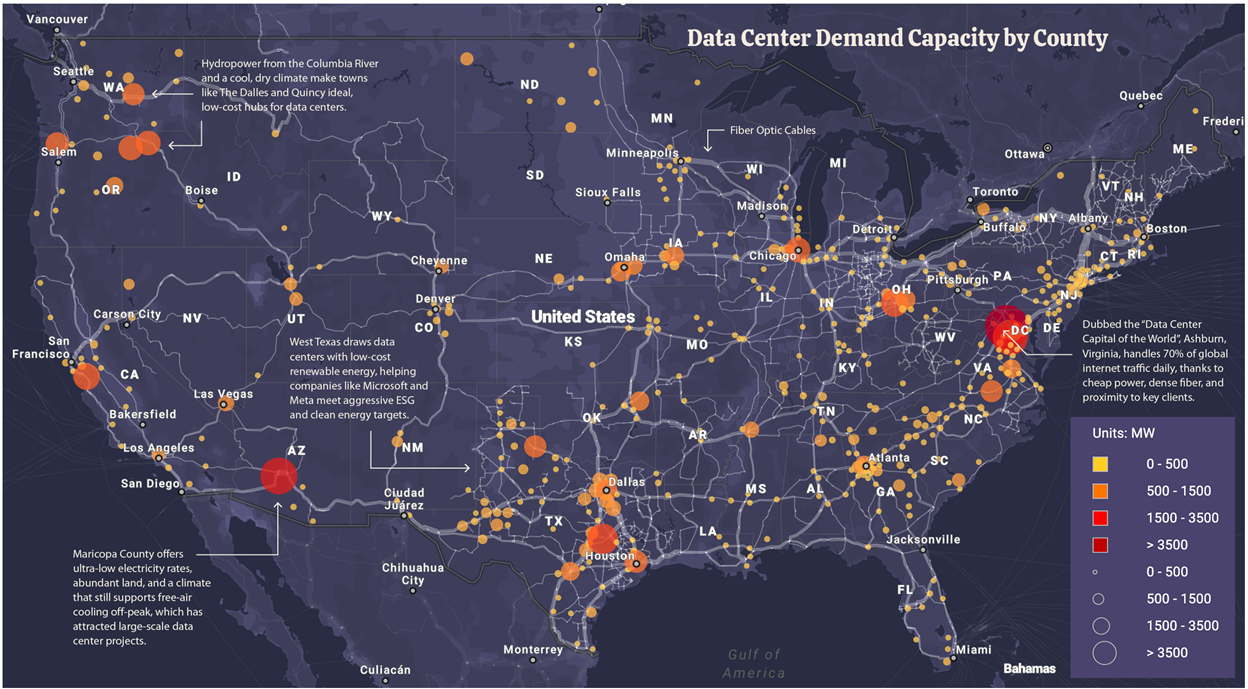
That is more than the total power consumption of Germany last year. This is causing a fundamental shift in how we think about energy strategies and the future of computing.
AI fueling explosive growth
The core of this shift is the growth of compute-intensive workloads and associated data trend analysis. AI models in the data center require power-hungry GPU clusters that can scale, but they cause thermal challenges. According to Forbes, ~70% of future server deployments are to be optimized for high-density GPUs and AI accelerators through 2030, all of which demand more power, cooling strategies and smarter infrastructure. This will fuel a 6x server power consumption rate and a 200% increase in storage power demand by 2028. The result is a new kind of data center that is designed for not only performance and uptime, but also for energy efficiency and grid alignment.
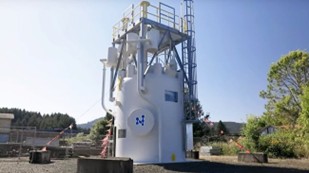
To be able to meet this demand will require investments in multiple energy sources. Solar and wind are already playing a major role, but to ensure consistent high output power for mission-critical workloads, many customers are investigating Small Modular Reactors (SMRs) as an emerging viable option. These offer consistent power generation with a smaller footprint, making them attractive for regions with limited grid capacity.
As energy becomes a strategic asset, data centers are evolving from passive consumers to active participants in the energy ecosystem. Next-Gen facilities are being designed with grid-conscious architecture, incorporating liquid cooling and intelligent iDRAC10-driven telemetry data to allow AI-driven workload orchestration.
Leading innovation
Dell Technologies is driving data center innovation with its highly efficient portfolio of server and storage solutions. Over the last two product generations, Dell has improved performance-per-watt by approximately 65%, as measured by the SPECpower_ssj2008 industry benchmark. These gains are enabled by multiple unique thermal designs and optimized BIOS configurations. Dell leads the industry in server innovation and thermal design. In fact it is ranked #15 in the Global 2025 Patent 300® List, outpacing Cisco, Lenovo, HPE & Supermicro. An example of such innovation and a new patent design is the Dell PowerCool Enclosed RDHx. This is a self- contained airflow system that can capture up to 100% of the heat generated by IT equipment and allows for up to a 60% reduction in cooling energy costs compared to conventional systems.

Beyond hardware
Dell is rethinking data center operations to align with power demand and supply. Enter Concept Astro, a visionary design that uses agentic AI, digital twins, and automation to optimize workload scheduling based on real-time energy availability, cost, and business priorities.
By forecasting the time and energy required for specific workloads and pulling grid data to identify optimal execution windows, we are able to prioritize tasks based on business needs. Through real-time dashboards and role-specific reports it enables smarter decisions and makes best use of all available resources.
The new frontier of Energy Aware Compute
The explosive growth of AI is turning energy into a strategic asset. Data centers are no longer passive consumers; they are becoming intelligent and grid-aware hubs that shape the future of energy markets. New innovations in air movers, liquid cooling, and telemetry-driven orchestrations allow for energy-aligned workload scheduling.
As Ian Goldsmith of the World Resources Institute notes, “The U.S. has over 100 gigawatts of data center demand coming online between 2024 and 2035—about 10 times New York City’s summer peak. This growth could overwhelm our current power system if not managed wisely.” [www.wri.org]
Dell Technologies is leading this shift, delivering server and networking platforms that deliver better performance per watt, optimize cost, and enable smarter decisions. As AI on-premises demand accelerates, the organizations that embrace efficient and energy-aware infrastructure will gain a decisive edge.
