$469.99
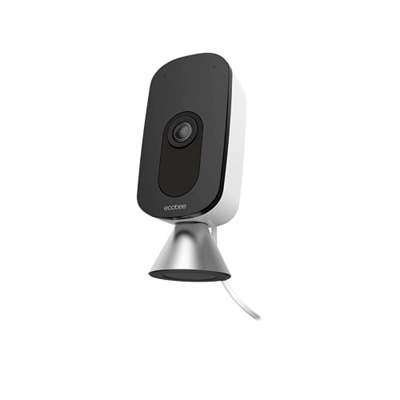
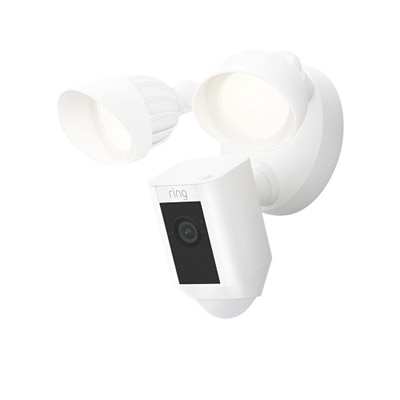
A versatile 4K camera with two-way audio, weatherproof design, and voice assistant compatibility.
Commercial surveillance camera systems provide reliable solutions for safeguarding your business and monitoring activity across various environments. Designed to support a range of commercial needs, these systems help enhance security, streamline operations, and offer peace of mind. Whether you are upgrading an existing setup or implementing new security measures, commercial surveillance camera systems deliver the flexibility and coverage required to protect your assets and maintain a secure workplace. Explore options that fit your business size and requirements to create a safer, more efficient environment.
A versatile 4K camera with two-way audio, weatherproof design, and voice assistant compatibility.
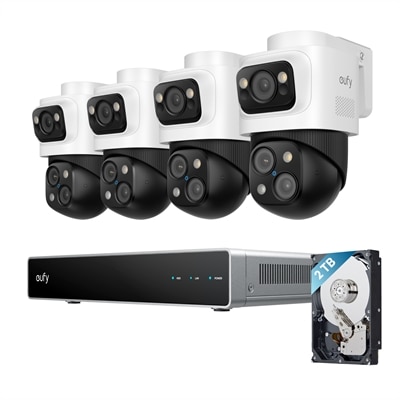
A proactive security system with 16 MP triple-lens cameras, 2TB HDD, AI detection, and weatherproof design.
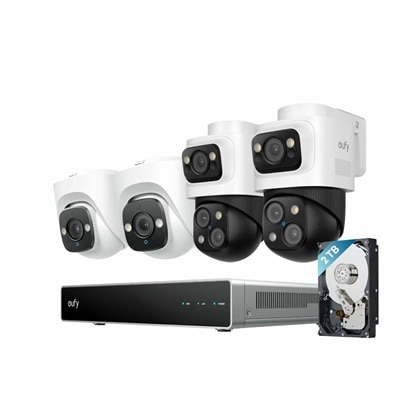
An all-in-one PoE security system with AI noise reduction, 24/7 recording, and IP65 weatherproofing.
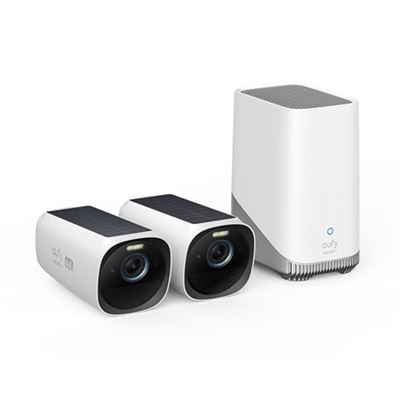
A wireless 4K security camera kit with AI motion detection, solar charging, and expandable local storage.
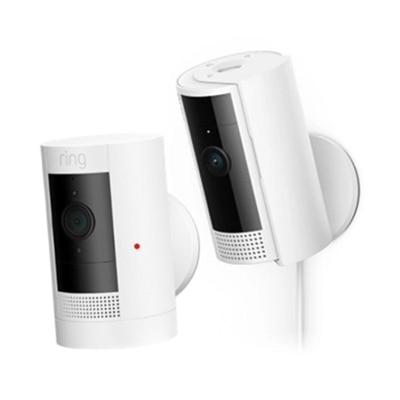
A versatile security camera set with 1080p HD video, color night vision, and a wire-free design.
A 4K camera kit with MaxColor Vision for detailed, clear surveillance in ultra-low light conditions.
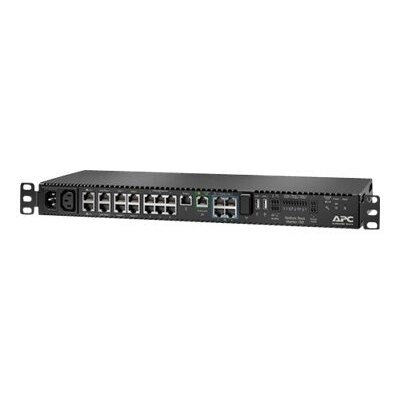
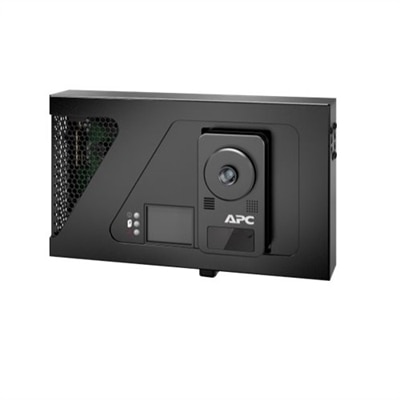
A black rack-mountable system for monitoring security and environment in network closets to data centers.
A black security and environmental monitoring system designed for network closets to data centers.
Commercial surveillance camera systems help businesses maintain a clearer view of entrances, sales floors, loading areas, parking lots, offices, and other important spaces throughout the day and night. A typical system combines several cameras with a recording unit that stores video for later review, allowing authorized staff to investigate incidents, verify deliveries, monitor activity, and support a safer environment for employees, customers, visitors, and contractors. These systems can be useful in retail stores, restaurants, professional offices, workshops, schools, apartment buildings, warehouses, medical practices, farms, and small business properties. When selecting a system, begin by considering the layout and purpose of each viewing area rather than choosing cameras based only on resolution. A wide-angle camera may cover a reception area or open sales floor, while a camera with a narrower field of view can focus on a doorway, cash-handling area, gate, or driveway. Dome-style designs are often well suited to indoor locations where a discreet appearance matters, while bullet-style cameras can make a visible perimeter presence and may be appropriate for exterior walls, parking areas, and long approach paths. Pan-tilt-zoom cameras can offer flexible coverage across expansive yards or active work areas, although they may require more hands-on monitoring than fixed cameras. For indoor spaces with valuable equipment, customer traffic, or limited natural light, explore Indoor Surveillance Camera Systems alongside outdoor-ready options to create coverage that matches the property. Weather resistance, operating temperature, mounting hardware, and protection from dust or moisture are especially important for cameras installed beneath eaves, near driveways, or along exposed building exteriors. During the cooler months, exterior equipment may face condensation, shorter daylight hours, and weather that makes a dependable housing and clear lens even more valuable.
Image quality is another central consideration. High-definition video can make it easier to distinguish faces, clothing, package labels, vehicle markings, and license plates, but the right resolution depends on distance, lighting, lens angle, and how much of the scene each camera covers. A very wide view can include more of a room while placing fewer pixels on individual details, so a property may benefit from using different camera types rather than applying one specification everywhere. Night vision is important for businesses that operate after dark or need continuous coverage. Infrared illumination can show activity in very low light, while some cameras use enhanced low-light or color night vision when enough ambient light is available. Look for systems that can adjust to bright entrances, shadows, headlights, and changing outdoor conditions without losing important detail. Motion detection can help staff review footage more efficiently, and intelligent analytics may distinguish people or vehicles from routine movement caused by trees, small animals, rain, or changing light. These features can reduce unnecessary alerts, but they should be configured thoughtfully for each location. A busy sidewalk beside a storefront may create frequent activity, while a rear entrance may need an alert for movement only during closed hours. Audio capability, two-way communication, privacy masking, deterrent lights, and mobile notifications may also be useful, depending on the business and local requirements. Consider who will review alerts, how quickly they need to respond, and whether the system should continue recording if an internet connection is interrupted. A local recorder can provide on-site storage and give a business direct control over retained footage, while remote access can make it easier for an owner or manager to check a location from another approved device. Review storage capacity, recording duration, overwrite settings, user permissions, encryption, and export options before making a purchase. Businesses that need evidence for insurance, workplace investigations, or law enforcement should ensure footage can be saved in a readily usable format with date and time information intact.
Installation planning can have as much impact as the camera specifications. Wired Power over Ethernet, commonly called PoE, can carry power and video data over a single Ethernet cable to compatible cameras, helping create a tidy installation with a consistent connection and fewer separate power adapters. Cable length, wall construction, ceiling access, outdoor routing, and available electrical service all influence installation time and cost. A do-it-yourself setup may be practical for a small storefront, office, or workshop with accessible cable paths, while a larger property with multiple buildings, high mounting points, or complex coverage needs may benefit from professional installation. Before ordering, sketch the property and mark entrances, exits, high-value areas, blind spots, employee-only spaces, and locations where lighting changes throughout the day. Avoid aiming cameras directly into the sun or placing them where shelves, signs, landscaping, or seasonal decorations can block the view. Mount outdoor cameras high enough to discourage tampering but low enough to maintain useful detail, and check that the selected field of view does not unnecessarily capture neighboring property or private areas. Businesses should also review applicable privacy, audio-recording, workplace-monitoring, and signage requirements, since rules can vary by location and use case. The number of channels provides a useful starting point: a smaller system may serve a compact office or shop, while expanding retail spaces, multi-entrance facilities, and larger commercial properties may need additional channels for future cameras. Leave room for growth when possible, particularly if the business expects to add a delivery entrance, remodel a sales floor, extend operating hours, or improve coverage after reviewing real-world footage. Commercial surveillance camera systems are most effective when their coverage, storage, alerts, installation, and access controls work together as one practical plan. A carefully matched setup can provide reassuring visibility during busy operating hours, quieter evenings, and the darker conditions that often accompany the transition into cooler seasons, giving owners and staff a reliable record of activity without making security feel disconnected from everyday business operations.
Add the products you would like to compare, and quickly determine which is best for your needs.