
Dell Pro Max
Disney Animator Makes Quality Feature Animation with Indy Budgets
Disney veteran Tom Bancroft proves feature animation can skip $100M budgets with a decentralized studio model.
Key takeaways: Tom Bancroft spent 12 years animating Disney classics like Mulan and The Lion King before founding Pencilish Animation Studios. His studio has created many TV series episodes and animation content using a decentralized model of international freelancers equipped with Dell Pro Max workstations. With production costs addressed, Bancroft now aims to prove that independent creators can own their IP and monetize directly without surrendering revenue to platforms.
Tom Bancroft knows what a $120 million animated feature looks like. He spent 12 years creating them at Disney during the studio’s second golden age. He animated Mushu in Mulan and contributed to a generation of characters that defined American animation in eight feature films, including The Lion King, Beauty and the Beast, Aladdin, Pocahontas, and Tarzan.
When Bancroft’s Pencilish Animation Studios was contracted to work on Light of the World, a feature film by Salvation Poem Project released in September 2025, he discovered one could make a $20 million film that was close to the quality expected from a $120 million budget.
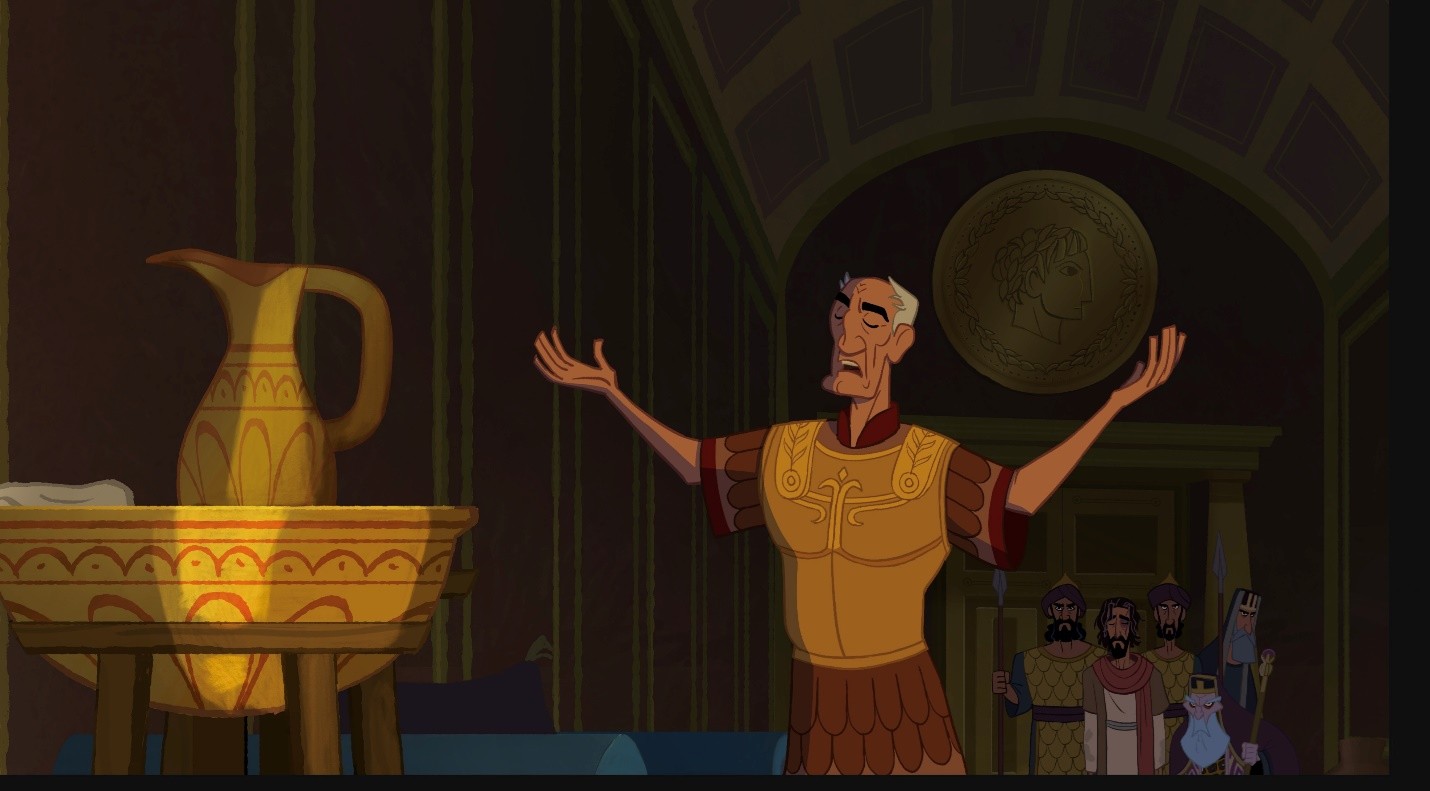
With that knowledge, Pencilish Animation Studios is striving to break assumptions long held as truth in the animation industry. Feature animation has traditionally demanded centralized facilities, proprietary equipment, and permanent staff that only Disney, Pixar, and DreamWorks could afford. Independent animators found themselves surrendering creative control and IP ownership to studios with resources or limiting their creative scope.
Bancroft’s expertise, collaborative abilities, and willingness to experiment with disintermediating technologies have proven a third option exists.
Developing the virtual studio model
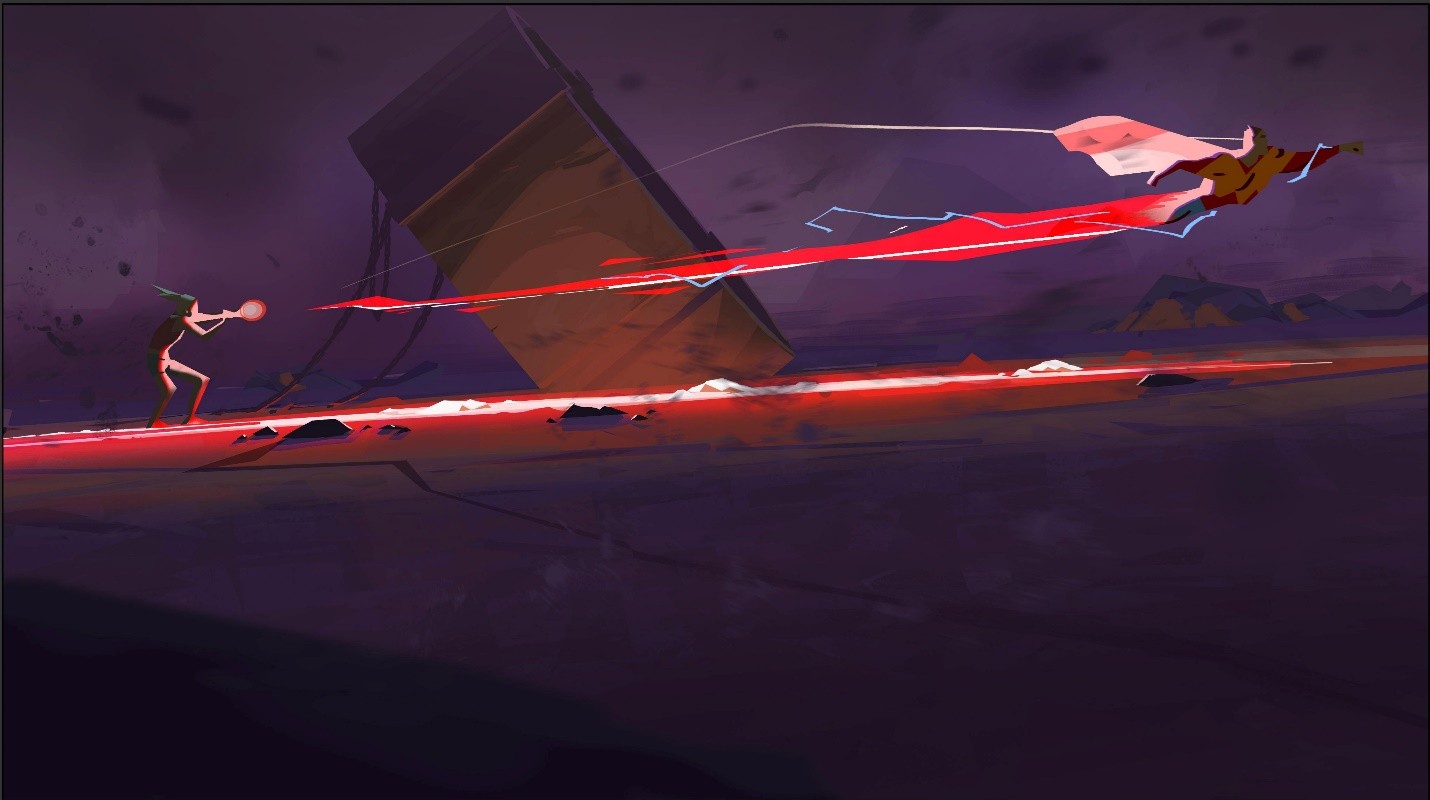
Pencilish operates nothing like the corporate campuses Bancroft left behind. Pencilish dynamically scales with each project. Bancroft is developing their next feature film project, “My Hero”, and just finished a short “Proof of Concept” piece to test out the look style, and technology pipeline needed for the feature film. To do this, he and his producer, Pam Darley coordinate freelance artists across multiple continents who work from home offices. “It’s kind of like Legos,” Bancroft explains. “You make a brick and pass that brick to the next person, and they put that on their brick. If you have the right people and the right approval process, it works. You rarely go backward. Changing minds and going backwards is where costs add up.”
This distributed studio model makes global talent available for collaboration. However, it demands workstations capable of handling massive animation files and complex renders. When Pencilish evaluated hardware options, affordability determined how many artists they could equip. “The Mac version, compared to other brands would have cost a lot more—almost double,” Bancroft notes. Dell Pro Max workstations with NVIDIA RTX PRO GPUs delivered the necessary processing power at price points that let Pencilish equip more artists. “Cost savings allowed us to hire a bigger team,” Bancroft says. “It helped us accomplish what we needed in a short amount of time.”
Pencilish has sent equipment to international artists who need it. “Many of our partners and independent artists don’t have a lot of money,” Bancroft notes. The transformation extends far beyond workflow efficiency. “It changes their lives to have that kind of power behind them,” he says. “Their creativity opens up.”
The creative advantage
Feature film animation generates massive files. Every art file is large, but moving images in high-definition quadruple the size. Pencilish’s virtual production process requires constant uploading and downloading between artists across time zones. “Having that power and speed makes all the difference in the world in us hitting our deadlines,” Bancroft says.
Speed also changes creative potential. When a render takes a week, directors settle for “good enough” to make a deadline. Dell Pro Max workstations cut that timeline to days. “I don’t, as a director, have to feel bad that I’m making a change,” Bancroft says. “In the past, sometimes you’d have to say, ‘If a change is going to take that long, then it’s good enough,’ but we don’t have to work that way anymore.”
Dell provided four Pro Max workstations for a collaboration with Pencilish’s proof of concept short for the studio’s next feature film, “My Hero.” The one-minute short premiered at Lightbox Expo and Adobe Max and has accumulated 2.3 million views on Bancroft’s Instagram. The response demonstrates audience appetite for independent animation at production quality once reserved for major studios.
Monetization in decentralized studios
Bancroft shared directing responsibilities with John J. Schafer for Light of the World, a feature-length retelling of the story of Christ in 2D animation. The film was released in September 2025 to critical praise. Thinking back on what was accomplished, Bancroft said, “We could not have made that for the price tag that we did without freelancers from all over the world working independently on their own setups. That film proved the decentralized studio model works.”
Now that he’s cracked the studio model, Bancroft sees monetizing reform as the next step in the decentralized revolution.
While technology is democratizing production, revenue distribution hasn’t experienced a similar revolution. Platforms like YouTube and Netflix command billions of eyeballs, but the economics still favor platforms over creators. “Most Netflix deals tie up your film or TV show for multiple years for a relatively small amount of money,” Bancroft explains. “It’s a deal on the front end where they give you a flat amount of money, and that’s the end of it. If it’s hugely successful on their platform, you are not rewarded for that.”
The real money in animation has always been in merchandising and licensing. These are revenue streams that creators surrender when they sign with major studios or platforms. Pencilish’s response has been to own the IP, build direct-to-consumer channels, and position itself for the reckoning Bancroft believes is coming. “I do think we’re going to see a revolt,” he predicts. “And I think creators that own their intellectual properties are the ones that will win.”
Positioning for success in the distributed studio model
Pencilish is bidding on TV series and feature film projects for 2026. Bancroft proved that democratized production can match major studio quality at a fraction of the cost. The next test is whether the creator economy can build—or force—platforms to share revenue as fairly as affordable hardware has distributed production.
