$10.99
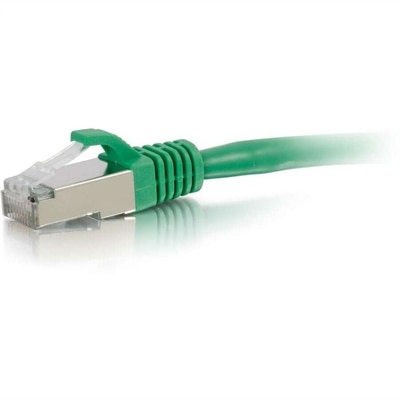
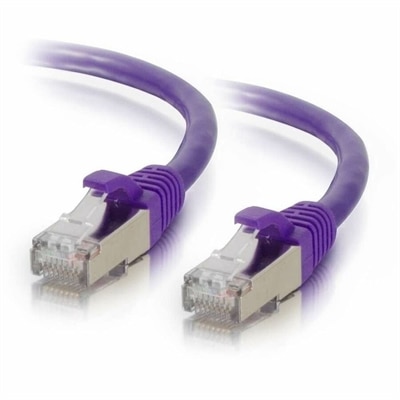
A purple shielded Cat6 network patch cable designed to reduce electromagnetic interference and crosstalk.
1ft Cat6 patch cables offer a reliable solution for organizing network connections in tight spaces, such as server racks or home offices. With their compact length, these cables help reduce clutter and maintain a neat setup while ensuring efficient data transmission between devices. Ideal for connecting switches, routers, or patch panels, 1ft Cat6 patch cables are a practical choice for anyone looking to streamline their networking environment without sacrificing performance.
A purple shielded Cat6 network patch cable designed to reduce electromagnetic interference and crosstalk.
A 1-foot Cat6 patch cable is a short Ethernet cable designed to connect compatible devices or ports that sit close together, keeping the connection compact without leaving several feet of unused cord behind a desk. Its nominal length is 12 inches, or approximately 30 centimeters, and it typically has an RJ45 connector at each end. For a desktop computer positioned beside an Ethernet wall outlet, that small span can create a tidy connection with very little slack. The same length may suit a compatible laptop docking station placed immediately next to an accessible Ethernet jack, provided the cable can reach without pulling against either port. These cables are practical computer accessories for home offices, study spaces, shared workstations, and compact desktop arrangements where every cord has a visible place. Cat6 describes the cable’s performance category rather than its length: standards-compliant Cat6 cabling is specified for frequencies up to 250 MHz and supports Gigabit Ethernet within the applicable channel limits. A Cat6 connection can also support 10 Gigabit Ethernet over shorter channels, commonly up to 55 meters under suitable conditions, but a one-foot cable does not by itself guarantee that speed. The connected hardware, other cabling in the path, installation conditions, and service limitations still determine the actual experience. For everyday use, the appeal of a short patch cable is straightforward: a wired connection without an unnecessary loop draped behind the keyboard tray or gathered beside the computer. It can help keep a carefully arranged workspace easier to clean and make individual connections easier to trace. The best fit is a genuinely short, stationary connection, not a stretch across a desktop or a link to a laptop that regularly moves between sitting and standing positions. Where the distance is slightly different, Short Cat6 Patch Cables provides a related category for considering other compact lengths.
Construction makes a noticeable difference in how a 1-foot Cat6 patch cable bends, connects, and holds up to everyday handling. Inside the jacket, four twisted pairs of conductors help control interference and crosstalk, allowing compatible equipment to exchange data reliably when the complete connection meets the required specifications. Bare copper conductors are preferable to copper-clad aluminum for standards-compliant Ethernet cabling, with lower electrical resistance and more predictable performance. Stranded copper conductors are common in patch cords because their flexibility suits the small movements that happen when a desktop is repositioned or a docking station is shifted during cleaning. Wire gauge also affects the feel of the cable. A conventional 24 AWG construction is generally thicker than a slim 28 AWG or 30 AWG design, although the finished diameter also depends on the jacket, shielding, and internal construction. A thinner cable can be easier to route through a narrow desk opening, while a thicker design may feel more substantial; neither thickness nor appearance alone establishes quality. The stated category compliance and electrical specifications matter more than a bulky jacket. Connector details deserve equal attention in such a short accessory. A molded strain relief helps limit stress where the cable enters the plug, and a snagless boot helps protect the retaining tab from catching on neighboring cords during removal. Boot shape can also influence access: a wide or stiff cover may be less convenient when an Ethernet port sits close to another connector or inside a recessed opening. A secure plug should seat fully and remain latched without being held at an angle by cable tension. Shielded and unshielded constructions serve different installation needs, and shielding is not automatically an upgrade for an ordinary desk connection. Its effectiveness depends on compatible components and appropriate grounding throughout the connection. Jacket materials, often PVC in general-purpose indoor patch cords, contribute to flexibility and abrasion resistance, while environmental and fire ratings identify the settings for which the cable is intended.
Fit is especially important with 1ft Cat6 patch cables because a few inches can separate a relaxed connection from one that continually strains a port. The relevant distance follows the actual route between connection points, including any bend around the back of a desktop, passage through a cable opening, or clearance needed behind a connector. A straight-line gap of less than a foot may still require a longer cable once those details are included. Connector boots also occupy space and are less flexible than the cable body, so a short cord works best when both ports face a convenient direction and have room for gentle curves. On a desk with a moving monitor arm, an adjustable work surface, or a docking station that gets repositioned, the route needs enough allowance for normal movement. A neat appearance should never depend on a taut cable. Color can support organization as well as appearance: a neutral jacket can blend into a restrained workspace, while a contrasting color can make a particular computer connection easier to identify among power, display, and USB cords. For households with several similar workspaces or offices with shared desks, that visual distinction can reduce confusion when equipment moves. Routine care is simple but worthwhile. Releasing the retaining tab before unplugging, holding the connector rather than tugging on the jacket, and avoiding sharp folds help preserve the parts that receive the most handling. Loose, reusable cable ties can keep cords together without crushing their jackets, and a soft, dry cloth can remove surface dust without introducing moisture into the connectors. Furniture edges, chair casters, and tightly closed desk panels can damage even a well-made cable, so protected routing contributes more to longevity than frequent handling or repeated rearrangement. A broken latch, split jacket, crushed section, or connection that drops when the cable moves warrants inspection and potentially replacement. For remote workers, students, and anyone maintaining a compact desktop setup, a correctly sized Cat6 patch cable is a small accessory that supports an orderly, dependable everyday workspace.
Add the products you would like to compare, and quickly determine which is best for your needs.