$10.99
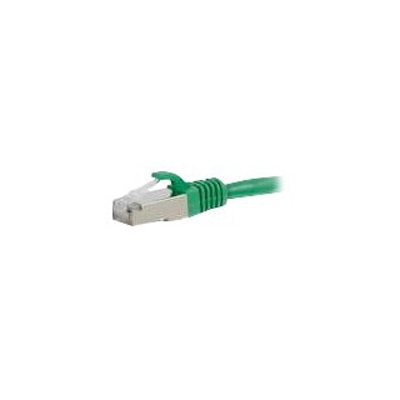
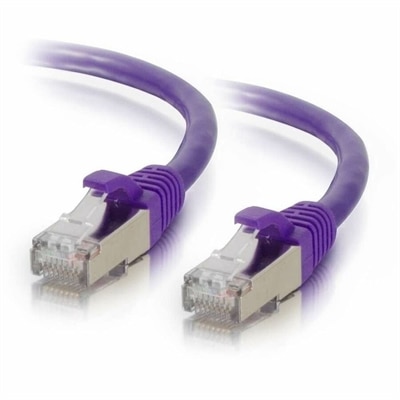
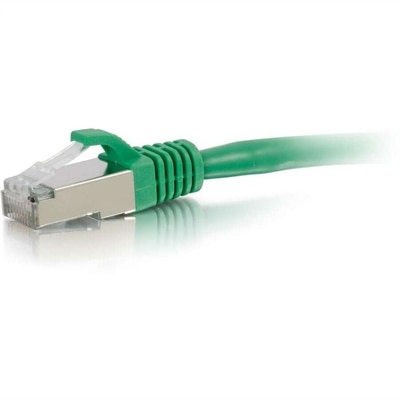
A green shielded Cat6 Ethernet patch cable with snagless design, EMI protection, and high-speed network performance.
Upgrade your network setup with reliable 3 foot Cat6 patch cables, perfect for connecting devices in home or office environments. These compact cables offer a convenient solution for short-distance connections, helping to minimize clutter while maintaining efficient data transfer between your equipment. Whether you're linking computers, routers, switches, or other networked devices, 3 foot Cat6 patch cables provide the flexibility and performance you need for seamless connectivity. Explore a range of options to find the ideal fit for your networking requirements.
A green shielded Cat6 Ethernet patch cable with snagless design, EMI protection, and high-speed network performance.
Three-foot Cat6 patch cables offer a neat, dependable way to connect compatible computers, monitors, printers, game consoles, streaming devices, routers, and other Ethernet-enabled electronics without leaving a long coil of excess cable behind. At 3 feet, they are especially useful when two devices sit close together on a desk, shelf, media console, or home-office workstation. A shorter cable can keep the area behind a display or around a broadband connection looking orderly, while reducing the chances of a loose loop catching on a chair, vacuum, or bag. It is a practical length for connecting a desktop computer to a nearby router, linking a printer across a compact work surface, or bringing a game console online from a media cabinet. It can also help simplify a workspace that has grown crowded with power cords, USB leads, and display cables. For additional sizing options, shoppers comparing compact cable lengths can explore Short Cat6 Patch Cables. Cat6 cable is designed for high-speed Ethernet connections and is commonly rated for bandwidth up to 250 MHz. With compatible devices and suitable conditions, it can support standard Gigabit Ethernet speeds of up to 1 Gbps. Cat6 may also support 10 Gbps connections across shorter distances, often up to 55 meters, although the actual result depends on the connected electronics, installation environment, and the capabilities of the complete connection. A 3-foot cable is well within that short-distance range, making it a convenient choice for close-together components where a clean, direct path matters. The cable cannot increase the speed supplied by an internet plan or by hardware that supports a lower standard, but it can provide a stable wired link when wireless performance is inconsistent or when a device benefits from a direct connection.
When choosing a 3-foot Cat6 patch cable, pay attention to conductor material, construction, flexibility, and connector design. Cables made with 100% bare copper conductors are generally preferred over copper-clad aluminum, often abbreviated as CCA, because bare copper offers dependable signal transmission and is better suited to applications that use Power over Ethernet, or PoE, when all connected equipment is compatible. A cable jacket should feel flexible enough to route gently around a desk or behind a cabinet without sharp bends, yet substantial enough to withstand ordinary handling. Strain relief near each connector helps reduce stress where the cable meets the plug, while a snagless molded boot can protect the small release tab from catching or breaking when the cable is pulled through a crowded space. That detail is easy to overlook until a connector has to be removed from behind a monitor or entertainment center. Look for secure, clearly molded RJ45 connectors that fit standard Ethernet ports and are easy to insert and release. Unshielded twisted pair, or UTP, is a common choice for everyday home and office use, particularly when the cable will run away from substantial sources of electrical interference. Shielded construction may be worth considering in a more demanding environment with many cables and electronics close together, although it is important that the connected hardware and installation support the selected design. Cable color can also be useful beyond appearance: matching a cable to a workstation or choosing a distinct color for a particular connection can make it easier to trace cords later. A 3-foot length is usually long enough to provide comfortable routing between nearby devices while remaining short enough to discourage unnecessary slack.
These cables suit a wide range of people and routines. A remote worker can use one to connect a computer or docking setup to a nearby router, keeping a reliable wired path during video calls, large file transfers, and cloud-based work. A student setting up a compact desk can use the same length to connect a computer, printer, or console without allowing extra cable to spill across the floor. Families may appreciate having a few spare cables available when rearranging a media area, replacing a damaged lead, or adding an Ethernet-capable device to a room. They can also be thoughtful, practical additions to a technology-focused gift for someone moving into a new apartment, refreshing a home office, or assembling a gaming setup; unlike a highly specialized accessory, a standard Cat6 cable can be useful in many layouts. Before ordering, count the connections you expect to make and consider keeping one or two extras for future changes. Check that each device has an Ethernet port, confirm whether a 3-foot reach will allow a gentle route rather than a taut span, and measure around the back of furniture if the ports are recessed or positioned at an angle. Avoid folding the cable sharply, placing heavy furniture directly on it, or running it where it can be repeatedly pinched. A little planning goes a long way: the right short cable can make a desk feel calmer, reduce visible clutter, and provide a consistent wired connection through everyday work, entertainment, and home technology use during the cooler months and beyond.
Add the products you would like to compare, and quickly determine which is best for your needs.