Action Cameras for Skiing
Capture every exhilarating moment on the slopes with action cameras for skiing. Designed to keep up with your adventures, these cameras make it easy to record sharp, dynamic footage in challenging winter conditions. Whether you're carving down black diamond runs or exploring scenic trails, action cameras for skiing help you relive your best moments and share them with friends and family. Find the perfect camera to document your next alpine experience and make every descent unforgettable.
This product is not available
Check out the following recommendations.




Action Cameras for Skiing
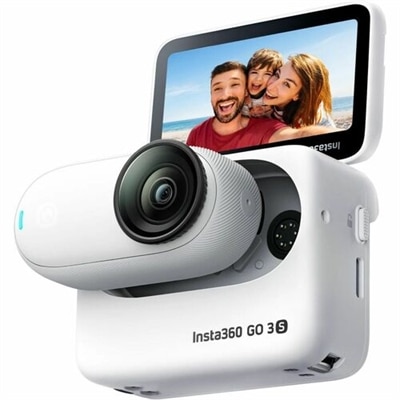
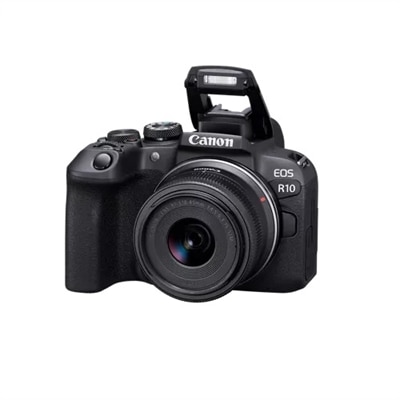
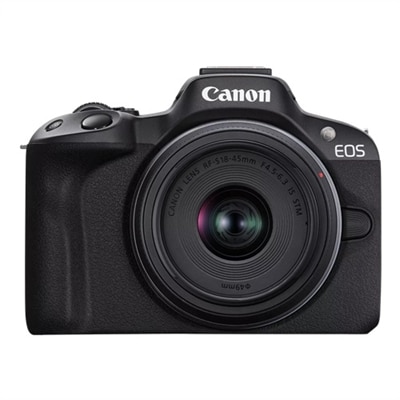
Action cameras for skiing capture the details that make a day on the mountain memorable: powder lifting behind a turn, the rhythm of skis crossing fresh corduroy, and a line of friends dropping into a wide-open bowl. The most useful features for this setting are reliable image stabilization, practical cold-weather battery performance, secure mounting, and controls that remain manageable with gloves. Resolution matters, but crisp footage also depends on exposure, lens condition, and how well the camera handles vibration and changing light. A descent can move from bright, reflective snow into deep tree shade in seconds, so balanced exposure and good highlight retention help preserve texture rather than turning the slope into a featureless white patch. Traditional single-lens cameras record the direction they face, making them a straightforward choice for point-of-view footage with relatively simple editing. Dual-lens 360-degree cameras capture the surrounding scene, allowing the angle to be selected afterward—a useful distinction when the skier cannot stop to adjust framing. Their advertised resolution covers the full spherical image, however, so a cropped view is not directly equivalent to footage recorded at the same resolution by a conventional camera. For skiers who prefer a smaller recording setup and a familiar video format, Compact 4K Action Cameras provide a related category to explore. Recording at 4K can preserve mountain scenery and leave some room for cropping, while higher frame rates can make quick turns easier to follow or support slow-motion playback when recorded and edited appropriately. Higher recording settings also increase file sizes and can shorten runtime. Weekend resort skiers, instructors recording practice runs with permission, and families documenting a winter trip may all value different combinations of these features. Someone saving short clips for a phone may prioritize easy transfers and dependable automatic settings, while an experienced video editor may appreciate flexible color settings and greater control over the finished footage.
The physical design of a skiing action camera matters as much as its recording specifications because snow, moisture, wind, and occasional impacts are part of the environment. Compact bodies commonly use durable plastics, sometimes combined with metal components, to balance weight and protection. Lens covers, seals, battery doors, and mounting points deserve particular attention: a sturdy outer shell does little to prevent a scratched lens from softening every frame. Water resistance varies by camera and configuration, and a rating for the bare camera does not necessarily apply with a door open or an incompatible accessory attached. Protective housings can add another layer of protection when required, although they may affect sound capture, access to controls, and overall bulk. Fit is primarily about how the camera and mount work with existing ski equipment. A low-profile mount can reduce protrusion, but any helmet attachment still needs to follow both the helmet and mount manufacturers’ guidance without requiring modifications or interfering with goggles, vents, or protective function. Chest mounting creates a lower perspective that can include hands and ski tips, though jacket movement and the skier’s stance influence the angle. A harness needs to sit securely over winter layers without restricting breathing or movement. Pole-mounted footage offers a different viewpoint, but handheld extensions may be unsuitable around lifts, crowded trails, or terrain that demands both hands. Resort rules and safe equipment use take priority over the shot. Large buttons, distinct recording indicators, and a screen that is readable outdoors can reduce uncertainty before a run begins. Voice controls may be convenient in calm conditions, but wind and surrounding noise can make them less dependable on the mountain. Setup changes belong in a safe stopping place away from downhill traffic. For a skier receiving a camera as a gift, compatibility with their preferred mounting approach and comfort with editing often matter more than the longest specification list. A lightweight, uncomplicated setup can be especially appealing to someone who wants to remember the day without spending it managing equipment.
Cold-weather performance is an important consideration for action cameras used on ski slopes, where a battery that performs well indoors may deliver a noticeably shorter recording session. Lithium-ion batteries can provide less usable capacity in low temperatures, and actual runtime depends on temperature, battery condition, recording mode, screen use, and wireless connections. Manufacturer runtime figures are most meaningful alongside their test conditions rather than as a promise for an entire ski day. Spare batteries carried in a dry, protected inner pocket can make longer outings more practical, with terminals protected from contact with keys or other metal objects. Batteries should reach the manufacturer’s permitted charging temperature before charging; a cold pack brought in from the mountain may need time to warm naturally. Moisture management is equally important. Moving from freezing air into a warm lodge can produce condensation, and snow packed around a battery door can enter the compartment when it opens. Allowing equipment to warm gradually in a closed bag and drying the exterior before opening doors can help limit those problems. A clean, dry microfiber cloth is useful for clearing the lens cover without grinding grit across its surface, while protective caps or a padded case help prevent scratches between runs. Care instructions remain specific to each camera, particularly around rinsing, seals, and removable lens covers. Recorded footage also needs a practical path off the mountain. Memory cards must meet the camera’s required capacity and sustained write-speed specifications, especially for high-resolution or high-frame-rate recording. Short wireless transfers may suit quick phone sharing, while larger files and 360-degree footage can be easier to organize and edit on a compatible laptop or desktop. Some formats require dedicated software, and advanced color modes generally need extra editing to look their best. Wind noise can overwhelm conversation during a fast descent, so audio expectations should match the intended use. For many skiers, the lasting value lies in clear, steady clips that show the terrain, the conditions, and the people who shared the run—not simply the highest resolution setting.
FAQs:
When choosing an action camera for skiing, prioritize features such as advanced image stabilization, weather and cold resistance, long battery life, and the ability to mount the camera securely to helmets or gear. Look for cameras that offer high-resolution video, wide-angle or 360-degree capture, and easy-to-use controls that work even with gloves on.
A 360 degree camera captures immersive footage from every angle, allowing you to relive your skiing or snowboarding experience in a more dynamic way. These cameras are ideal for creating interactive videos, unique perspectives, and third-person views, making your adventures more engaging for viewers and easier to share on social media.
Action cameras for skiing make great gifts for outdoor enthusiasts, winter sports lovers, families who enjoy mountain vacations, and content creators who want to document their experiences. They’re also perfect for anyone looking to capture memories on the slopes, from beginners to advanced skiers and snowboarders.
Yes, there are many accessories designed to enhance your experience with a snowboard camera. Popular options include helmet mounts, chest harnesses, pole mounts, lens filters, and weatherproof cases. These accessories help you achieve different angles, ensure stability, and protect your camera in harsh conditions.
Absolutely. While action cameras for skiing are optimized for cold and rugged environments, their versatility makes them suitable for a wide range of activities, including mountain biking, hiking, surfing, and even vlogging. If you’re interested in expanding your content creation, consider exploring options like Vlogging Cameras for additional features and flexibility.