$219.00
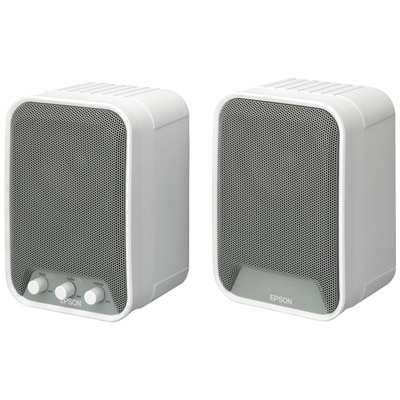
A white 30W RMS active speaker system with wall-mountable design for clear classroom audio.
Elevate your next meeting or event with audio equipment for presentations designed to deliver clear and impactful sound. Whether you’re hosting a conference, leading a classroom session, or sharing ideas in the boardroom, the right audio solutions help ensure every message is heard. Browse a wide selection of microphones, speakers, headsets, and other essential accessories to support seamless communication and professional results. Find audio equipment for presentations that matches your needs and enhances every presentation experience.
A white 30W RMS active speaker system with wall-mountable design for clear classroom audio.
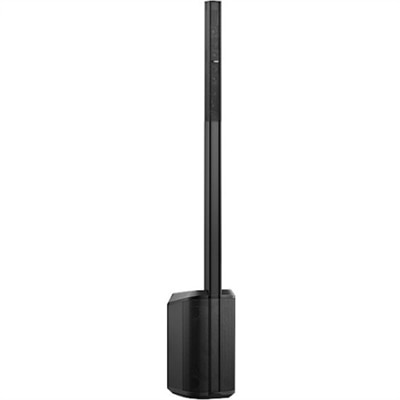
A black portable PA system delivering 300W RMS with Bluetooth, 180-degree coverage, integrated subwoofer, and mixer.
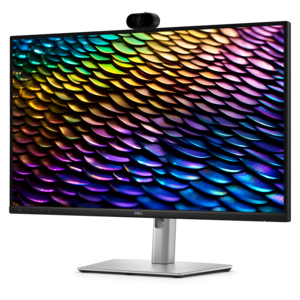
A Full HD conferencing monitor with built-in webcam, speakers, and microphone for seamless everyday collaboration.
A QHD IPS conferencing monitor with integrated webcam, speakers, microphone, and USB-C connectivity for productive collaboration.
Audio equipment for presentations brings spoken explanations, audience questions, and recorded media into the same listening experience. The essential categories include microphones that capture a presenter’s voice, speakers that reproduce it for the audience, and, when multiple sources are involved, an audio mixer that balances their levels. A public address, or PA, system combines amplification and loudspeakers to carry sound beyond the reach of an unaided voice. The right combination depends on the room, audience size, number of presenters, and whether participants are listening in person, remotely, or both. In a small meeting room, a speakerphone or compact powered speaker may support a discussion around a table; a training session in a larger space generally requires broader sound coverage and microphone support. Clear speech matters more than sheer volume. Listeners should be able to distinguish the ends of words and follow a soft-spoken participant without the next speaker sounding uncomfortably loud. Rooms with carpet, upholstered seating, and acoustic treatment behave differently from spaces with bare walls, glass partitions, and hard floors, where reflected sound can blur speech. Speaker placement and coverage patterns therefore matter alongside output capability. Speakers positioned ahead of live microphones and directed toward listeners can help reduce feedback, while placing them indiscriminately in corners may create uneven bass or unwanted reflections. The range of Audio Speakers encompasses a broader category in which connection type, power requirements, dimensions, and intended listening distance help distinguish suitable options for presentation use. Powered speakers contain their own amplification, while passive speakers require a compatible external amplifier. Neither format alone determines speech clarity. For an instructor explaining a detailed diagram, a manager presenting quarterly results, or a community organizer addressing a multipurpose room, the goal is consistent, intelligible sound that supports the message rather than drawing attention to the equipment. Presentations that include music or video also benefit from balanced reproduction, although strong bass is not a substitute for a clear voice range.
Microphone format shapes how naturally a presenter can work. Handheld microphones suit introductions, panel discussions, and audience participation because they can move from one person to another, though changes in speaking distance can produce noticeable changes in volume. A lavalier microphone clips to clothing and leaves both hands free for a keyboard, demonstration, or presentation remote. Its performance depends partly on placement: fabric brushing against the capsule, a dangling necklace, or a jacket shifting during a gesture can introduce distracting noise. A headset microphone keeps the capsule at a more consistent distance from the mouth as the wearer turns toward a screen or walks across the room. Fit is particularly important during longer sessions, when an adjustable frame, light construction, and comfortable contact points can make the microphone less distracting. Desktop microphones favor seated speakers with a predictable working position, while conference speakerphones are designed around shared conversation rather than a single person addressing a large room. Pickup patterns also affect intended use. Directional microphones emphasize sound from particular directions and can help limit unwanted pickup when positioned appropriately; omnidirectional microphones capture sound around the capsule and may suit situations where placement flexibility matters. Wired connections avoid battery dependence for the microphone itself, while wireless systems provide freedom of movement but introduce battery management, receiver connections, and operating-range considerations. Stated wireless range does not guarantee the same performance through walls or in a busy radio environment. For presenters moving between classrooms or meeting spaces, compatibility with the host laptop or desktop is just as important as microphone style. USB connections, analog microphone inputs, and wireless receivers serve different signal paths, and a connector that physically fits does not always establish electrical or software compatibility. Headphone outputs and microphone inputs are not interchangeable. For remote participants, echo cancellation in compatible conferencing equipment can help prevent room playback from returning through the microphone, making hybrid discussions easier to follow without requiring everyone to wear headphones.
A presentation audio setup also needs to accommodate the less visible details of daily use: cables that reach without stretching, controls that are easy to recognize, and connections that remain secure through repeated setup and packing. Audio mixers become useful when a session includes several microphones, laptop playback, or a combination of live speech and recorded material. Independent level controls allow those sources to sit comfortably together, while compatible routing options can send appropriate audio to room speakers, a recording device, or a conferencing application. Digital signal processing may provide equalization, automatic mixing, limiting, or feedback suppression, depending on the equipment; these functions support a well-matched setup but do not replace sensible microphone and speaker placement. Connection latency matters when audio accompanies video or a live voice, since a noticeable delay can make a demonstration feel disconnected. Wired playback is often a practical choice when dependable synchronization is a priority. Physical construction matters, too. Rigid enclosures, protected speaker grilles, secure sockets, and strain relief at cable ends are useful durability considerations for equipment that travels between offices, classrooms, and event rooms. Metal housings may provide sturdy protection, while well-designed molded enclosures can reduce carrying weight; overall construction is more informative than material alone. Carry handles, padded compartments, and manageable dimensions become especially valuable when one person transports a laptop, presentation accessories, and audio equipment together. Routine care generally includes keeping liquids away from electronics, wiping exterior surfaces according to manufacturer directions, and allowing equipment to dry fully before packing. Microphone windscreens and removable covers may have separate cleaning requirements, and connectors benefit from protection against dust and unnecessary bending. Battery-powered equipment also needs runtime appropriate to the session, with charging requirements considered alongside portability. These practical qualities suit educators, trainers, consultants, facilitators, and frequent speakers whose work depends on being understood. A compact audio accessory can also be a thoughtful gift for someone who regularly leads workshops or online presentations, provided it matches that person’s computer connections and working environment. Across these settings, dependable presentation sound comes from equipment suited to the voice, the room, and the way people participate.
Add the products you would like to compare, and quickly determine which is best for your needs.