$159.99
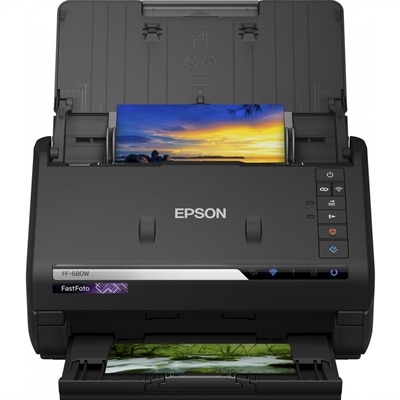
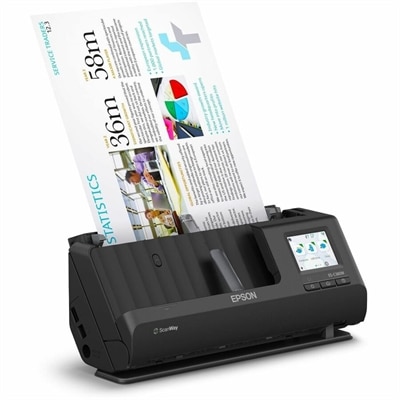
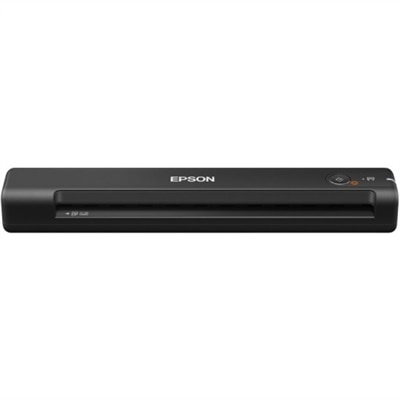
A lightweight sheetfed scanner with 600 dpi optical resolution, USB power, OCR, and Windows/Mac compatibility.
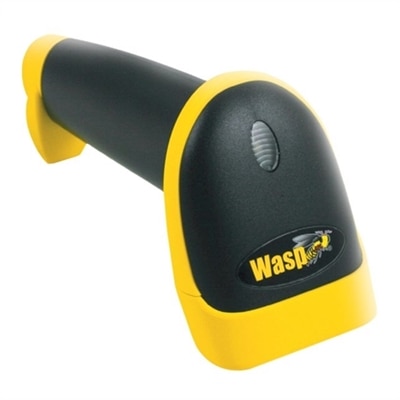
Barcode scanners are essential tools for businesses looking to streamline operations and enhance efficiency. From retail environments to warehouse management, these devices simplify the process of tracking inventory, managing sales, and reducing human error. With a variety of options available, barcode scanners cater to diverse needs, ensuring seamless integration into your existing systems. Whether you need a handheld model for mobility or a fixed scanner for high-volume tasks, finding the right barcode scanner can significantly improve your workflow and productivity. Explore our selection to discover reliable solutions designed to meet the demands of modern business operations.
A lightweight sheetfed scanner with 600 dpi optical resolution, USB power, OCR, and Windows/Mac compatibility.
Barcode scanners translate printed or digital codes into readable information for a computer, point-of-sale system, inventory application, or checkout register. In practical terms, they help turn a quick pass over a label into a product lookup, quantity update, price check, order confirmation, or shipment record. That simple action can save considerable time when repeated across a retail counter, stockroom, office, classroom, clinic, library, or small business. A scanner may read the familiar black-and-white lines found on many product labels, or it may use a camera-based imager to capture more complex 2D codes, including QR codes, Data Matrix symbols, and codes displayed on a phone screen. When choosing from the available options, start with the types of codes your work requires. A 1D laser scanner is suited to straightforward linear barcodes and can be a practical fit for basic product identification. A 2D imager offers broader flexibility, especially for modern receipts, digital tickets, shipping labels, loyalty applications, and mobile displays. Scanners are often available in handheld, presentation, fixed-mount, and wearable designs, so the right form depends on how frequently items need to be scanned and whether the operator must keep both hands free. A handheld unit feels natural for shelf checks and receiving tasks, while a presentation scanner can sit on a counter and read items as they pass across its scanning area. Wearable or ring-style scanners are designed for fast-paced picking and sorting, where a worker may scan one item after another while carrying cartons or organizing shelves. For an office or front counter where space is limited, a compact scanner paired with a laptop or desktop can create a tidy, efficient workstation. Explore compatible computing options through Desktop Scanners when planning a complete scanning setup.
Connectivity is another important consideration. Wired USB scanners are generally straightforward to install, draw power from the connected computer, and avoid the need to monitor a battery, making them a dependable choice for a permanent checkout or office desk. Wireless scanners provide more freedom of movement through Bluetooth or a dedicated 2.4GHz connection, which can be especially useful when scanning cartons on a receiving table, products on tall shelves, or items spread across a sales floor. Think about the distance between the scanner and the computer, the amount of movement involved, and whether the work area has a convenient place to return the scanner between uses. Battery life, charging time, and the availability of a charging cradle can make a noticeable difference during a long shift. Scan speed and reading distance also matter. A high-volume counter may benefit from a presentation model that detects codes from several angles, while a stockroom employee may prefer a responsive handheld design that works at close range and can be aimed precisely at a small label. Build quality should match the environment. A scanner used gently at an indoor desk may not need the same protection as one carried between loading areas, retail aisles, or busy workstations. For demanding settings, look for drop-resistant construction, sealed housing, and water or dust protection ratings such as IP66. A rugged model can be reassuring when equipment is exposed to occasional bumps, cardboard debris, or changing conditions during the warmer and cooler parts of the year. Compatibility deserves equal attention: confirm that the scanner works with the operating system, register, inventory program, or browser-based application in use, and check whether the device supports the keyboard language, suffixes, prefixes, and other formatting settings required by the workflow. Plug-and-play operation is valuable for many users, but configurable scanning behavior can help a growing business reduce repetitive data-entry corrections.
Barcode scanners serve a wide range of people, from an independent shop owner counting merchandise after closing to a library worker checking materials back in with a quiet, consistent motion. Retail associates can use them to look up items, verify prices, manage returns, or maintain accurate stock counts without writing down every number. In offices, scanners can help track equipment, organize incoming packages, or label files and supplies. Warehouses and fulfillment areas often rely on them to confirm that the item picked matches the order, reducing the chance that a similar-looking box ends up in the wrong shipment. Clinics, laboratories, and service businesses may use barcode identification to associate supplies, forms, or appointments with the appropriate record, provided the scanner is compatible with the relevant software and privacy practices. During seasonal inventory changes, school activities, community events, or periods of increased ordering, a reliable scanner can make repetitive tasks feel less like a bottleneck and more like a steady rhythm: aim, scan, confirm, move on. For a small business outfitting a new counter, a scanner can also be a thoughtful practical gift when paired with a compatible computer, monitor, or other workspace accessory, particularly for someone who prefers tools that solve an everyday problem rather than sit unused. Before selecting one, consider the size of the operation, the type of barcode, the average scanning volume, the available connection, and the environment where the device will be handled. Basic models can be suitable for occasional use, while higher-end options may justify their cost through faster reading, broader code support, stronger construction, or more comfortable ergonomics over hours of repeated scanning. A well-matched barcode scanner should feel almost invisible in the workflow: quick to wake, easy to aim, clear in its confirmation, and dependable enough that attention stays on customers, orders, inventory, or the people being served.
Add the products you would like to compare, and quickly determine which is best for your needs.