$75.99
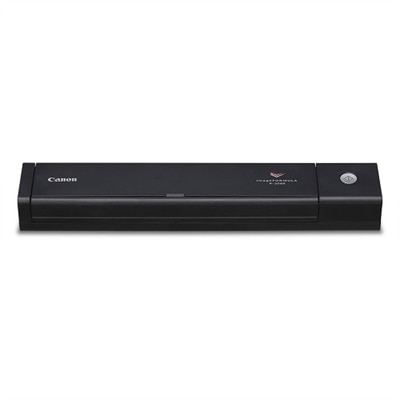
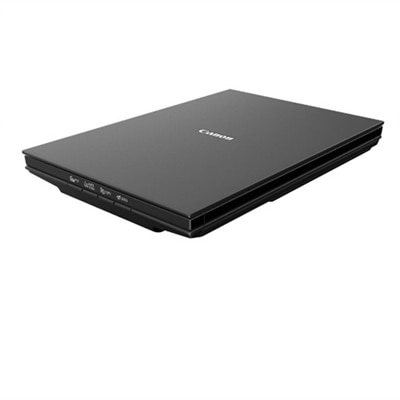
A compact flatbed scanner with 2400 x 2400 dpi resolution and 10-second fast scanning.
Discover the perfect solution for digitizing your literary collection with our curated selection of scanners for scanning books. Whether you're an avid reader looking to preserve your favorite novels, a student aiming to streamline study materials, or a professional seeking efficient document management, these scanners offer the ideal blend of functionality and convenience. Explore options designed to handle everything from delicate manuscripts to robust textbooks, ensuring that every page is captured with precision and clarity. Embrace the future of reading and archiving with these essential tools that cater to all your book scanning needs.
A compact flatbed scanner with 2400 x 2400 dpi resolution and 10-second fast scanning.
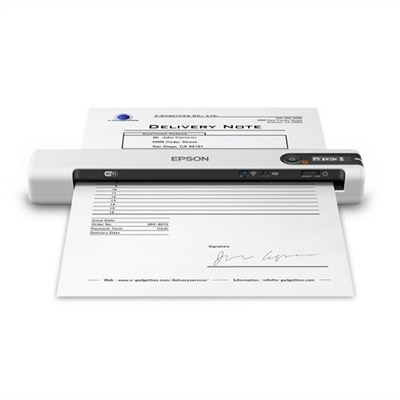
An ultra-compact mobile document scanner ideal for versatile use at home, office, and on-the-go.
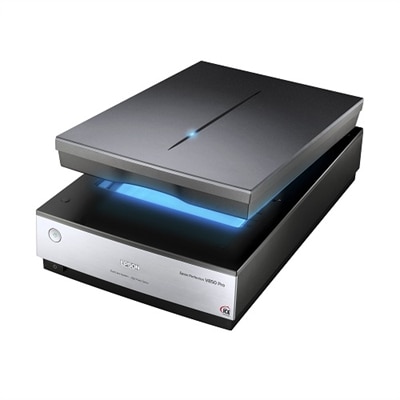
A gray flatbed scanner offering 6400 dpi resolution and advanced optics for professional-quality film archiving.
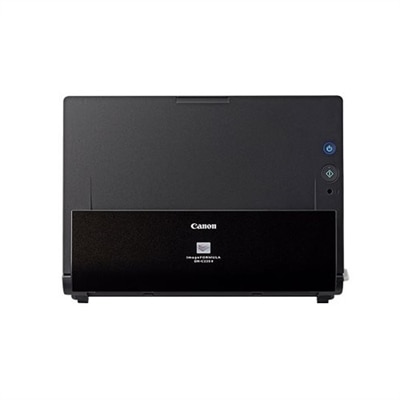
An innovative, upright scanner that saves desk space while converting documents to high-quality digital files.
Scanners for scanning books are designed to turn bound pages into clear, useful digital files while helping preserve the books themselves. Unlike a conventional flatbed scanner, which may require the spine to press against a narrow edge or force a book to lie completely open, book-friendly models use overhead cameras, book-edge designs, or contactless capture methods to reduce pressure on the binding. This matters when scanning novels, cookbooks, textbooks, family histories, sheet music, manuals, and other materials that are difficult or unsafe to flatten. An overhead scanner can photograph a page from above while the book rests naturally beneath it, making it a practical choice for fragile bindings, thick volumes, and projects that involve hundreds of pages. A specialized edge flatbed scanner places the page close to the glass along one side, helping reduce the dark shadow that often appears near the spine without cutting or loosening the binding. Contactless designs can be especially helpful for archival work because they capture pages without pressing the material against a scanning surface. When comparing options, consider the largest page size you expect to scan, such as standard letter pages, larger formats, or A3-size spreads, along with the available workspace and the way pages turn during a long project. A compact overhead scanner may fit comfortably beside a laptop on a home desk, while a larger unit can make oversized books and open two-page spreads easier to handle. Speed is another consideration: some models capture a page in roughly a second or two, while others may prioritize higher detail, careful alignment, or more manual control. A sturdy stand, evenly distributed lighting, and a wide capture area can make the process feel less like balancing a book over a camera and more like a dependable part of a home office routine. For additional options that may suit document and paper projects, explore Desktop Scanners.
The right scanner depends on the condition of the books, the number of pages, and the kind of digital file you need afterward. For a few well-loved paperbacks, a straightforward overhead document and book scanner may provide the convenience needed for home archiving, recipe preservation, or making personal reference copies. For a library of bound materials, look for features that reduce repetitive adjustments, including automatic page-turn detection, split-page capture, page alignment, and illumination that minimizes glare. A scanner with curve-flattening software can correct the bowed lines that appear close to the center of an open book, where text naturally bends away from the camera. This is important for searchable notes and readable PDFs, not simply for making a page look attractive. Optical Character Recognition, commonly called OCR, converts the letters in a captured image into selectable, searchable, or editable text. OCR can help locate a name in a digitized family cookbook, copy a quotation from an old reference book, or search a long collection without opening every page manually. Check whether the included software can export to searchable PDF, editable Word documents, image files, or other formats that work with your preferred applications. Resolution also deserves attention. Higher resolution can preserve small print, fine illustrations, marginal notes, and delicate line work, although very large files require more storage space and take longer to organize. Color capture is useful for photographs, maps, annotations, and aging paper, while grayscale or black-and-white modes may produce smaller files for plain text. Automatic removal of finger marks, blank-page detection, background cleanup, and page splitting can save considerable time, especially when scanning facing pages. A reliable preview window is valuable as well; it lets you catch a folded corner, a shadow, or a partially cropped margin before moving on. For books with loose, brittle, or historically important pages, handle each leaf slowly, avoid forcing the cover flat, and choose a non-destructive setup that supports the book rather than asking the binding to do the work.
Book scanners can serve students, researchers, teachers, librarians, writers, genealogists, collectors, and anyone trying to make a paper library easier to use. A student may digitize selected chapters for personal study, then search highlighted passages from a laptop instead of carrying several heavy books between rooms. A researcher may capture handwritten notes beside printed text, while a family archivist can preserve recipes written in a grandparent’s distinctive script, complete with crossed-out ingredients and flour-softened edges. During the cooler months, scanning can be a satisfying indoor project: a stack of books on one side of the desk, carefully named folders on the other, and a growing digital collection that can be revisited from a computer. These scanners may also be thoughtful gifts for someone building a home archive, organizing inherited books, or preparing educational materials, particularly when the recipient values the original volumes and does not want to damage them. Before choosing, estimate whether the project involves a handful of pages or an entire shelf, and think about how often the scanner will be moved. Portable overhead designs are convenient for classrooms, shared workspaces, and occasional use, while a stable desktop unit may be better for extended sessions. Consider the software learning curve, connection requirements, automatic file naming, and whether the scanner can capture both sides of an open spread in one pass. A comfortable workflow makes a noticeable difference: good lighting, a clear surface, protective support for the book, and consistent file names can turn a scattered collection of scans into an orderly digital library. The best choice balances gentle handling, readable results, practical capture speed, and the tools needed to transform page images into searchable documents without sacrificing the character or condition of the books.
When searching for the best scanners for books, prioritize features such as curve-flattening technology to correct page distortion, high optical resolution for clear text and images, fast scan speeds, and advanced software options like OCR for converting scanned pages into searchable PDFs or editable eBooks. Consider whether the scanner supports hands-free operation and if it can handle the types of bindings or paper you plan to scan.
Book scanners are ideal for students, educators, researchers, archivists, manga collectors, and anyone interested in digitizing their personal library. They are also popular among families preserving heirloom recipe books, artists digitizing sketchbooks, and professionals who need to organize reference materials for easy access.
Yes, many modern book scanners include software that allows you to save scanned pages as PDF files or convert them into eBook formats. Optical Character Recognition (OCR) is often built in, enabling you to create searchable and editable digital documents from your physical books.
Flatbed scanners can be used for scanning bound books, especially if they have a prism or edge design that allows for scanning close to the spine. However, overhead book scanners are often preferred for frequent book scanning, as they minimize damage to the binding and provide faster, more convenient operation.
A manga scanner is a type of book scanner designed to digitize comic books and manga, typically featuring high-resolution imaging and gentle handling to preserve delicate pages. These scanners are popular among collectors and enthusiasts who want to create digital archives of their favorite series or share rare editions with friends.
Add the products you would like to compare, and quickly determine which is best for your needs.