DDR4-2400 Processors
Discover a wide selection of DDR4-2400 processors designed to support seamless multitasking and efficient performance for a variety of computing needs. Whether you're upgrading your system or building a new setup, DDR4-2400 processors offer compatibility with many modern motherboards and can help optimize your workflow. Explore options that suit both everyday tasks and more demanding applications, ensuring reliable processing power for home, office, or gaming environments. Find the right DDR4-2400 processor to elevate your computing experience.
This product is not available
Check out the following recommendations.



DDR4-2400 Processors
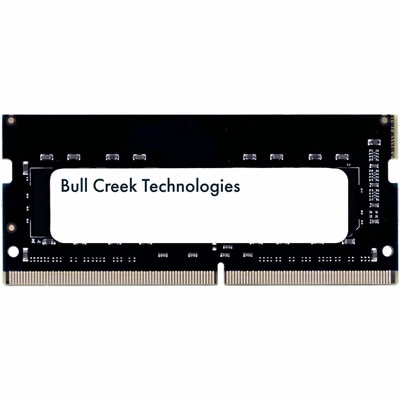
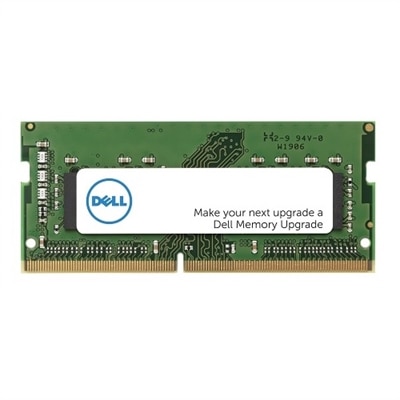
DDR4-2400 processors are best understood as processors used in systems configured for DDR4 memory running at up to 2400 MT/s. The memory controller built into many processors from the sixth through ninth generations commonly supports DDR4-2400, while many early-generation Ryzen platforms also work with DDR4 memory at this speed. Compatibility is determined by the complete system rather than the processor alone, so the motherboard or laptop specification, firmware, memory type and installed capacity all deserve attention before making a purchase. A processor may support DDR4-2400 while a particular computer requires a specific module format, such as full-size DIMM memory for a desktop or compact SO-DIMM memory for a laptop. The system may also limit the available memory speed to a lower setting when paired with an older motherboard, while a faster DDR4 module can generally operate at 2400 MT/s when the processor or system configuration requires it. Checking the computer’s service documentation or system information can help confirm the supported memory generation, maximum capacity, number of slots and preferred module arrangement. This simple check is especially useful when replacing a failed component or refreshing an older computer that still performs well for everyday work.
Systems in this category can be a practical fit for home office tasks, schoolwork, web browsing, video calls, media streaming, document creation and other light workloads. A compatible processor paired with sufficient DDR4 memory can keep commonly used applications responsive, help a browser manage multiple open tabs and make routine tasks feel more comfortable than they would on a system with limited memory. For many people, adding capacity has a more noticeable effect on everyday multitasking than choosing memory with a higher rated speed that the computer cannot use. An 8GB configuration may suit basic productivity and entertainment, while 16GB or more can provide additional breathing room for heavier multitasking, larger spreadsheets, photo organization and creative applications. Browse compatible options in DDR4 8GB RAM when comparing capacity choices. Memory installed in matched pairs can also allow compatible systems to use dual-channel operation, which may improve overall memory bandwidth compared with a single module, although the exact benefit depends on the processor, motherboard and workload. For gaming or demanding editing, graphics processing capability, cooling, storage performance and total system configuration matter alongside memory speed, so DDR4-2400 compatibility should be considered one part of a broader purchase decision rather than the sole measure of performance.
When selecting a computer or planning an upgrade, begin with the exact processor model and the manufacturer’s memory specifications. The processor generation can indicate likely support, but it does not replace checking the motherboard’s qualified memory list or the laptop’s upgrade limitations. Pay attention to the maximum supported capacity, whether all memory slots are accessible, and whether existing modules can be retained. Mixing modules with different speeds usually causes the system to run all installed memory at the speed of the slowest module or at the platform’s supported limit, and mixing capacities or timings may occasionally require manual adjustment or troubleshooting. Matching voltage, module type and capacity is a dependable approach for a smoother installation. It is also wise to consider the role of the computer: a family desktop used for streaming and homework may benefit from a straightforward capacity upgrade, while a compact laptop used for remote work may need a space-efficient module and careful attention to access requirements. DDR4-2400-compatible systems can make thoughtful gifts for someone maintaining a dependable older laptop or desktop, provided the recipient’s exact model is confirmed first; memory is not universally interchangeable, and an incompatible module can be frustrating even when its speed appears correct. During the cooler months, a well-matched system can provide a reliable workspace for studying, household planning, communication and entertainment without requiring a complete computer replacement. By matching the processor, motherboard, memory format, capacity and intended workload, shoppers can choose a balanced configuration that supports familiar daily routines and extends the useful life of a compatible computer.
FAQs:
DDR4-2400 processors are ideal for everyday computing needs such as web browsing, office productivity, streaming media, and moderate multitasking. They also support light content creation and casual gaming, making them versatile for home, school, and small business environments.
Yes, DDR4-2400 processors are a popular choice for upgrading older systems. Their compatibility with a wide range of motherboards and memory modules makes them a practical option for extending the lifespan of desktops and laptops that support DDR4 memory.
DDR4-2400 memory is commonly supported by 6th, 7th, 8th, and 9th generation Intel Core processors, such as the core i5 6th generation, i7 8th generation, and i7 9700 models, as well as select 11th generation processors like the i3-1115G4.
Absolutely. DDR4-2400 processors are found in both desktop and laptop platforms, supporting DIMM modules for desktops and SODIMM modules for laptops, allowing for flexible use across different device types.
Choosing a DDR4-2400 processor offers a blend of stability, energy efficiency, and reliable multitasking performance. These processors are well-suited for users who value consistent operation and compatibility with widely available DDR4 memory, making them a dependable choice for a variety of computing needs.