$599.99
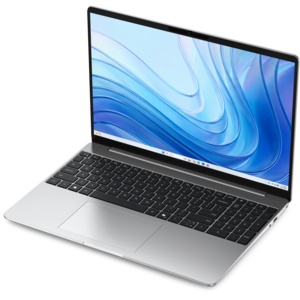
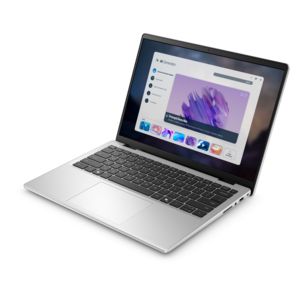
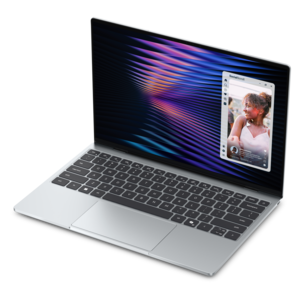
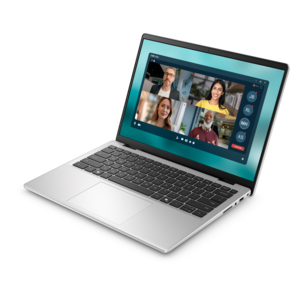
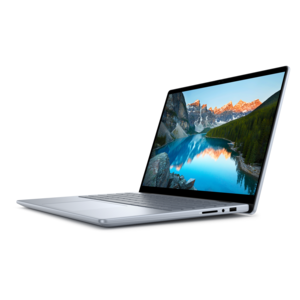
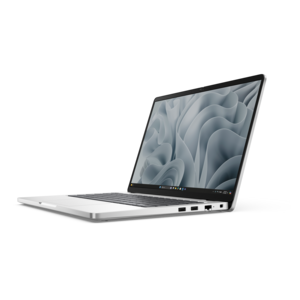
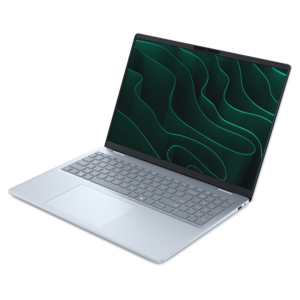
A laptop featuring Intel® 13th Gen processors, a built-in FHD camera, and an enlarged ergonomic keyboard.
Discover the next generation of performance with DDR5 computers, designed to handle demanding tasks and power through your daily workflow. Ideal for professionals, gamers, and creators alike, these systems offer advanced memory technology to keep up with your needs. Explore a wide selection of DDR5 computers that deliver speed and efficiency for everything from multitasking to immersive entertainment experiences. Find the perfect system to elevate your computing potential today.
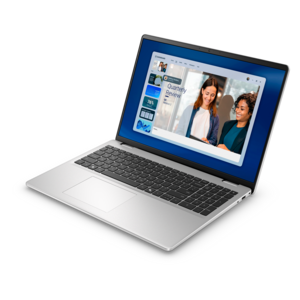
A laptop featuring Intel® 13th Gen processors, a built-in FHD camera, and an enlarged ergonomic keyboard.
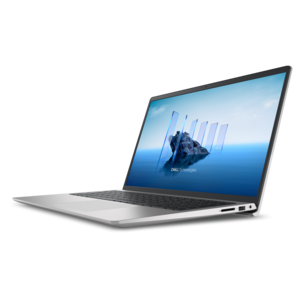
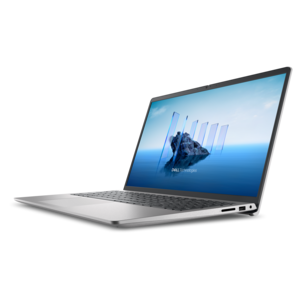
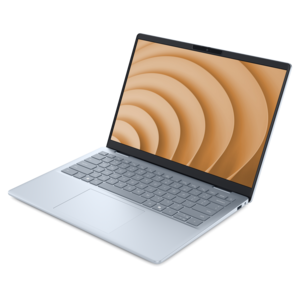
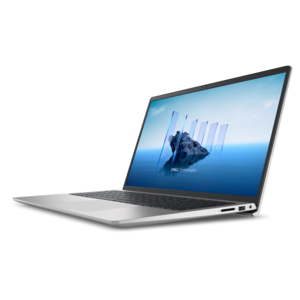
A thin, lightweight laptop crafted from eco-friendly materials with Series 3 Intel Core processors for productivity.
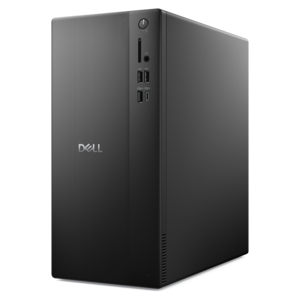
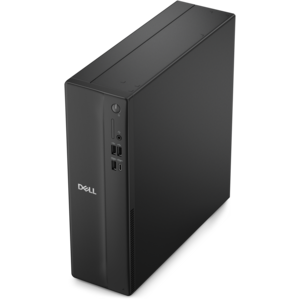
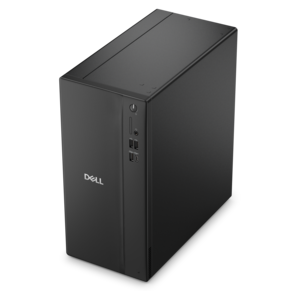
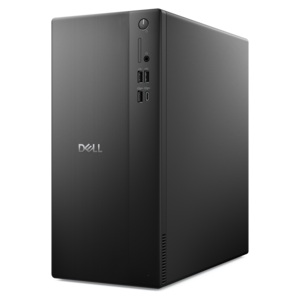
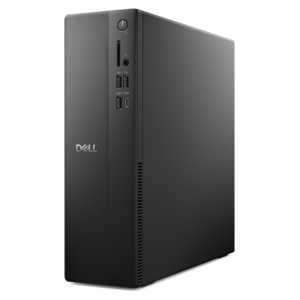
A business-ready tower desktop delivering reliable everyday performance with essential security features for productive workflows.
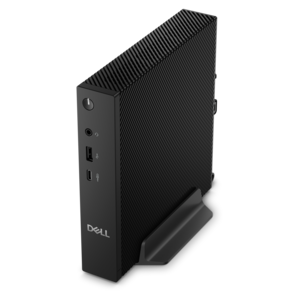
A compact thin client supporting cloud software, ThinOS, Windows 11 IoT Enterprise, or no operating system.
A powerful desktop designed to boost everyday productivity in a streamlined setup.
A compact desktop designed for everyday productivity and creative tasks.
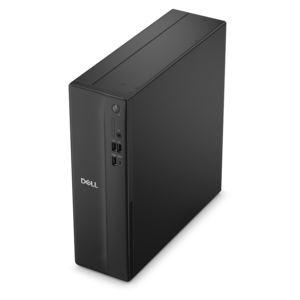
A space-saving desktop delivering reliable performance and security for everyday productivity.
A compact desktop delivering reliable performance and security for everyday productivity.
A portable laptop with a sleek design, 16:10 display, and AI PC options for productivity anywhere.
An exceptionally thin and lightweight laptop designed for ultimate mobility.
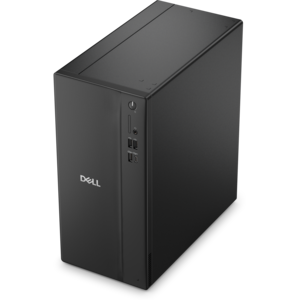
A business-ready tower desktop delivering dependable performance and security for everyday productivity workloads.
A durable productivity laptop featuring an expansive 16:10 display and convenient numeric keypad.
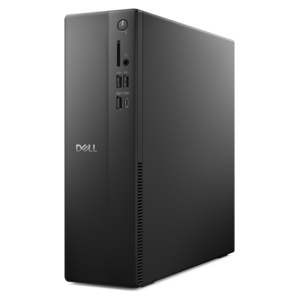
A space-saving, business-ready desktop delivering reliable everyday performance with essential security features.
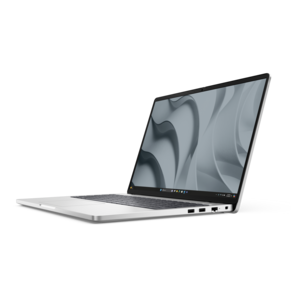
A sleek, portable laptop with an expansive 16:10 display for reliable productivity anywhere.
A modern laptop with AMD Ryzen™ processors, delivering effortless productivity and captivating entertainment in a design.
A laptop featuring an FHD camera, enlarged ergonomic keyboard, and AMD Ryzen™ processors for everyday productivity.
A powerful, space-saving tower desktop designed to boost everyday productivity.
A versatile desktop designed for everyday productivity and creative projects.
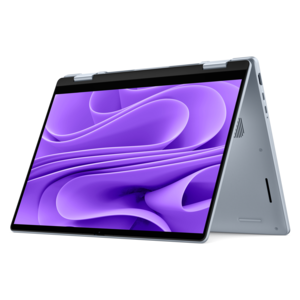
A versatile 2-in-1 laptop with multiple modes, Intel Core processors, and DDR5 memory for mobile creativity.
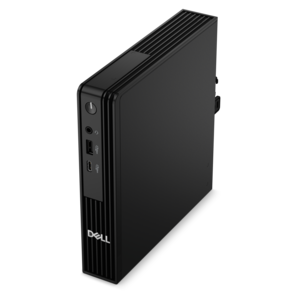
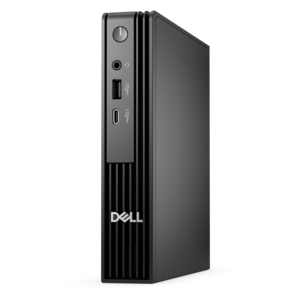
An ultracompact business desktop with Copilot+ PC options, AI-enhanced productivity, robust security, and streamlined manageability.
A lightweight AI-powered laptop designed for creative professionals and small businesses.
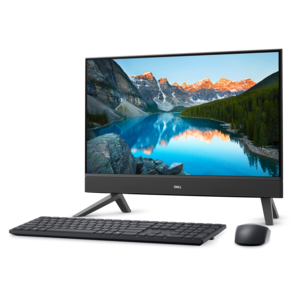
A compact all-in-one desktop designed for productive work and everyday entertainment.
A durable, modular laptop with robust security, a spacious 16:10 display, and optional built-in AI.
A durable modular laptop with a 16:10 display, numeric keypad, robust security, and optional built-in AI.
DDR5 computers are laptops and desktops built with fifth-generation Double Data Rate memory, a type of RAM that gives the processor fast access to information used by active applications. Compared with DDR4, DDR5 supports higher data transfer rates and greater memory bandwidth, helping compatible systems move more information between memory and the processor. That extra bandwidth can benefit demanding games, creative applications, and workloads that keep several programs busy at once. The difference is easiest to appreciate in the rhythm of a full day: a video meeting running beside a spreadsheet, dozens of research tabs open in the background, and a photo editor waiting for the next round of changes. RAM provides the working space for those activities, while its speed helps determine how quickly information can move through that space. A DDR5 computer pairs this memory with a compatible processor and motherboard; DDR5 modules are not interchangeable with DDR4 modules and cannot be installed in DDR4 slots. Choosing a complete DDR5 system means those foundational components have been designed to work together, although the amount of memory, its operating speed, and upgrade options vary by configuration. Faster memory does not automatically make every task noticeably faster. Everyday responsiveness also depends on the processor, the applications in use, and whether the system has enough RAM to avoid running short during busy moments. For someone moving from an older computer with limited memory, a well-balanced DDR5 laptop or desktop may make switching between tasks feel more comfortable, especially when the upgrade also brings a newer processor. For someone whose current computer already handles routine browsing smoothly, the benefit may be more apparent in heavier projects than in opening a simple document. DDR5 is therefore a useful feature to look for in a modern computer, but it belongs alongside the rest of the specifications rather than replacing them as the single reason to choose a system.
The right DDR5 computer starts with the work it needs to handle and the place it will be used. A laptop suits a student moving between classrooms, a professional splitting time between home and the office, or a creative user who wants to review images away from a desk. Screen size, keyboard comfort, weight, battery life, and the ports needed for everyday accessories deserve as much attention as the memory specification. A desktop makes sense for a more permanent setup, whether that means a quiet corner for household paperwork or a larger workspace with multiple monitors and room for sustained creative work. Larger desktop designs often offer more flexibility for component upgrades and cooling, though compact models can have tighter limits. Memory capacity is an especially practical comparison point. For many people, 16GB is a reasonable starting point for everyday productivity, schoolwork, streaming, and moderate multitasking. A 32GB configuration provides more headroom for heavier multitasking, many gaming setups, photo editing, and some video projects. Moving to 64GB or more may be worthwhile for large creative files, complex development environments, or specialized applications, but the application’s published requirements and the size of the projects matter more than a blanket recommendation. Picture a family photo project that begins with a few adjustments and grows into hundreds of high-resolution images, with an editing application, browser, and layout tool open together. In that situation, adequate capacity can matter more than a small increase in memory speed. When comparing specifications, DDR5 transfer rates are commonly expressed in megatransfers per second, or MT/s; a higher number indicates a higher data transfer rate, not a guaranteed increase in overall computer performance. Actual operating speed depends on processor support, system design, and memory configuration. Check whether the listed configuration leaves room to grow, too. Some computers have replaceable memory modules and available slots, while others have memory that cannot be upgraded by the owner. Confirm the supported maximum capacity and the manufacturer’s upgrade documentation before counting on adding more later.
DDR5 gaming computers benefit most from a balanced combination of memory, processor performance, graphics capability, and cooling. Greater memory bandwidth can improve performance in some games, particularly when the processor and memory are important limits, but the results vary with the game, resolution, settings, and hardware. A stronger graphics configuration will often matter more for visually demanding play at higher resolutions than a modest step up in memory speed. Integrated graphics can also be sensitive to system memory bandwidth because they share that memory rather than relying exclusively on separate graphics memory. For a closer look at this category, DDR5 RAM For Gaming PCs brings the focus to memory options for gaming setups. Beyond games, DDR5 desktops and laptops can serve photographers sorting a weekend’s images, designers working across several applications, programmers testing software, and students managing research alongside coursework. The best fit is not necessarily the configuration with the largest numbers. It is the one that keeps the user’s regular tasks comfortable without directing too much of the budget toward capabilities that may sit unused. Someone editing short videos occasionally may place greater value on a clear, color-accurate display, while a frequent traveler may prefer a lighter laptop with enough memory already installed for the years ahead. For a graduation or birthday gift, a DDR5 computer can be a thoughtful choice when its size, operating system, and performance match the recipient’s plans. A college-bound student may appreciate portability and dependable battery life; a hobbyist building a dedicated creative corner may prefer a desktop that supports a larger screen and familiar accessories. Before choosing, compare the exact configuration rather than relying on a product family name or the DDR5 label alone. Review memory capacity, supported speeds, expansion options, display connections, warranty coverage, and compatibility with essential software. A carefully matched system leaves room for the ordinary surprises of computer use: an extra application needed for a new course, a growing collection of creative projects, or a workday that ends with a game instead of a closed lid.
Add the products you would like to compare, and quickly determine which is best for your needs.