E Mount Camera Lenses

Expand your creative possibilities with E mount camera lenses designed to elevate your photography and videography experience. Whether you're capturing stunning landscapes, detailed portraits, or fast-paced action shots, these versatile lenses offer a wide range of options to suit every style and skill level. Discover the perfect E mount camera lenses to complement your camera setup and bring your vision to life with clarity and precision.

Filters

$2299.99

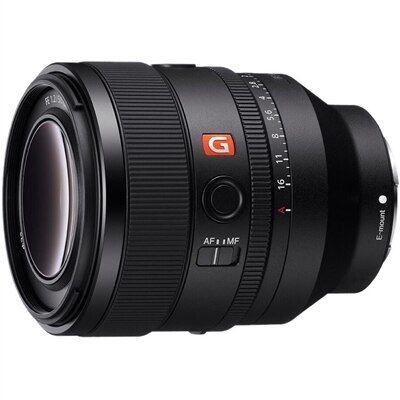
A fast 50mm f/1.2 prime lens with high resolution, creamy bokeh, quiet autofocus, and weather-resistant construction.

$2299.99

E Mount Camera Lenses

E-mount camera lenses are interchangeable lenses designed for mirrorless cameras that use the E-mount connection. The range includes lenses built for APS-C sensors and lenses that cover full-frame sensors, with each format offering different possibilities for everyday photography, travel, portraits, and video. Full-frame coverage is commonly identified by the FE designation, while E-mount describes the mounting system itself. Sensor coverage matters because a lens can physically fit a camera without covering its entire sensor. An APS-C lens mounted on a compatible full-frame body generally requires a crop setting to avoid dark image edges, reducing the portion of the sensor used and typically lowering image resolution. A full-frame E-mount lens can also work on an APS-C E-mount body, where the smaller sensor records a narrower angle of view. With the typical 1.5x crop factor, a 35mm lens provides framing comparable to a 52.5mm lens on full frame, although its actual focal length remains 35mm. These distinctions help explain why the same lens can feel comfortably wide on one camera and more tightly framed on another. Compact APS-C designs often suit smaller camera bags and lightweight setups, while full-frame lenses offer coverage for photographers using a larger sensor or planning to move between formats. Neither format alone determines image quality; optical design, focusing accuracy, aperture, and shooting conditions all contribute to the result. The mount designation is only one part of compatibility, since autofocus, electronic aperture control, stabilization, and other functions depend on the particular lens and camera combination. Manual-focus designs may offer a different experience from lenses with electronic communication. For shoppers considering a complete setup, Mirrorless Cameras With Lenses provides a related starting point for understanding how a body and lens work together. Across either sensor format, the most useful lens characteristics reflect the subjects being photographed, the working distance available, and how much equipment feels comfortable to carry.

Focal length and aperture give E-mount camera lenses much of their character. Wide-angle lenses take in broad scenes, making them useful for sweeping coastlines, interiors, architecture, and environmental portraits that include the setting around a person. Very wide perspectives can exaggerate nearby features, especially near the edges of the frame, while a more moderate angle can feel natural for neighborhood walks and everyday scenes. Standard focal lengths suit tabletop details, gatherings, and familiar moments without requiring much distance from the subject. Telephoto lenses provide tighter framing from farther away, useful for field sports, wildlife, stage performances, and portraits with less surrounding background. A zoom lens covers a range of focal lengths, allowing framing changes when moving closer is impractical, such as photographing a ceremony from a fixed seat. A prime lens has one focal length and may offer a compact build, a wide maximum aperture, or a combination of optical qualities suited to a particular purpose. Maximum aperture, expressed as an f-number, describes how wide the lens can open: lower numbers allow more light through at a given shutter speed and can help produce a shallower zone of sharp focus. Background blur also depends on focal length, subject distance, and the distance between the subject and background, so aperture alone does not determine the look. For close-up work, minimum focusing distance and maximum magnification are especially relevant. True macro capability reveals fine detail in flowers, jewelry, and small objects, while adequate working distance leaves room for lighting. Autofocus speed, accuracy, and sound matter for different reasons: an active pet calls for responsive tracking, while a quiet interview benefits from unobtrusive focusing. Video users may also value smooth manual-focus response, controlled focus breathing, and an aperture mechanism suited to exposure changes. Optical stabilization can help reduce visible camera shake in supported setups, although it does not freeze a moving subject. Constant-aperture zooms maintain their widest available aperture through the zoom range, while variable-aperture designs may balance a broader range with a smaller, lighter build.

The physical construction of an E-mount lens affects how it handles over a full afternoon as much as how it feels when first attached. Lens barrels may use metal, engineered polymers, or both, paired with precision glass elements and coatings intended to manage reflections and other optical effects. A metal exterior can feel substantial, but material alone does not establish optical performance or durability. Weight, barrel diameter, and balance on the camera body are often more noticeable during a long walk, an extended portrait session, or handheld video recording. A large lens on a small body can feel front-heavy, while a compact lens may make a camera easier to keep within reach throughout the day. On longer telephoto designs, a tripod collar can help support the combination more evenly when mounted on a tripod. Focus rings, zoom rings, switches, and customizable controls vary by design, with differences that become apparent when working in gloves or changing settings without looking away from the subject. Weather-resistant construction may add protection against dust and moisture, but the level of sealing varies and does not make a lens waterproof. Front-element coatings can make routine cleaning easier, while a compatible hood helps shade the glass and offers some protection from incidental contact. Lens caps, padded compartments, and a dry storage space help protect delicate surfaces and moving components between outings. For routine care, loose grit is best removed before glass is wiped with appropriate lens-cleaning materials; abrasive fabric and unnecessary pressure can damage coatings. Filter diameter also matters when sharing compatible filters across several lenses, and filters should suit the intended photographic use rather than being treated as interchangeable with every design. For someone receiving a lens as a gift, the camera’s exact mount and sensor format are essential details, alongside the kinds of pictures that person enjoys making. A lightweight everyday lens may suit a frequent traveler, while close-focusing capability may appeal to a hobbyist photographing handmade objects. Those practical connections between fit, handling, care, and intended use make E-mount lenses meaningful additions to a camera system.

FAQs:

Add the products you would like to compare, and quickly determine which is best for your needs.

Add the products you would like to compare, and quickly determine which is best for your needs.