$179.99
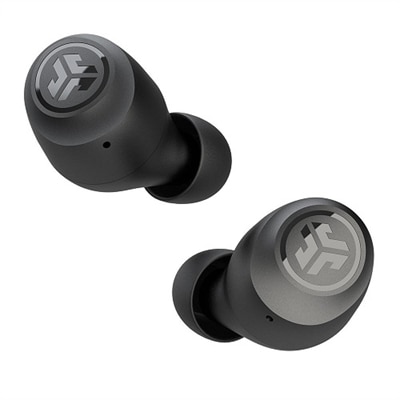
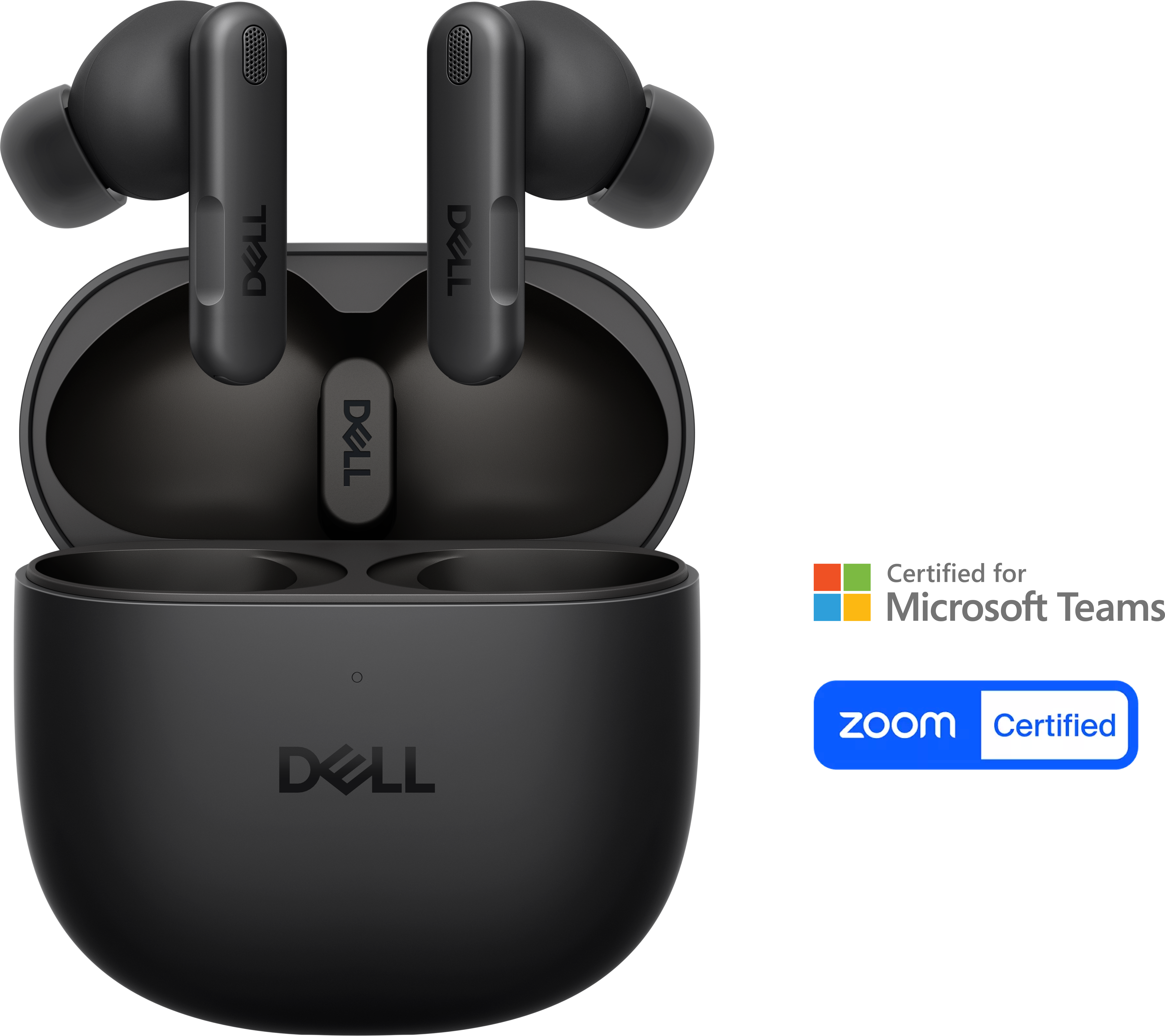
AI-powered earbuds with noise-cancelling microphones and Adaptive ANC for clearer calls and focused listening.
Earbuds for students are an essential accessory for staying connected, focused, and entertained throughout the school year. Whether attending virtual classes, listening to educational podcasts, or enjoying music during study breaks, the right pair of earbuds can enhance productivity and make learning more enjoyable. Explore a wide selection designed to fit every budget and style, making it easy to find the perfect match for your academic needs.
AI-powered earbuds with noise-cancelling microphones and Adaptive ANC for clearer calls and focused listening.
Earbuds for students bring lectures, language practice, music, and video calls into a compact accessory that fits easily into a backpack or jacket pocket. Their usefulness depends on how comfortably they fit, how reliably they connect to a student’s devices, and how well their features match the places where learning happens. A quiet library desk, a shared apartment, and a busy bus ride each place different demands on sound and isolation. Wired earbuds offer listening without a separate earbud battery to recharge, making them practical for long study sessions or classroom activities where wireless connections are not permitted. Connector compatibility matters: a laptop with a headphone jack can accept a compatible 3.5 mm plug, while a device with only USB-C ports requires compatible USB-C earbuds or an appropriate adapter. School testing platforms may have additional requirements for audio accessories, so a familiar connection does not necessarily mean an earbud model is approved for an exam. Wireless earbuds reduce cable clutter and allow more freedom of movement when joining a study group call or listening between classes. Models with multipoint connectivity can maintain connections to more than one compatible device, which may simplify moving between a laptop lecture and a phone call, although switching behavior varies. For students watching recorded lessons, low audio delay helps keep speech aligned with the instructor’s face. For those recording pronunciation exercises or participating in remote discussions, microphone clarity is just as important as playback quality. A microphone that sounds clear in a quiet bedroom may perform differently near a fan or on a crowded sidewalk. The most useful student earbuds balance these everyday needs rather than relying on a single standout feature. Clear voices, straightforward controls, and a connection that works with the devices already used for school can make an ordinary afternoon of reviewing notes feel considerably less interrupted.
Comfort becomes especially noticeable during a lengthy reading assignment or back-to-back online classes. In-ear earbuds typically use soft silicone or foam tips to create a seal, while open-fit designs rest nearer the entrance of the ear canal without the same enclosed feeling. Silicone tips are generally easy to wipe clean according to the manufacturer’s directions; foam tips conform to the ear but may require more frequent replacement as their texture and resilience change. Multiple tip sizes allow a more individualized fit, and different sizes may work best for the left and right ear. A secure fit should not require pushing the earbuds deeply or tolerating pressure. Lightweight housings, smooth edges, and a shape that stays settled during a walk across campus can matter more over time than how small the earbuds look in their case. Sound isolation also starts with fit: a well-seated tip can reduce some surrounding sound without electronic processing. Active noise cancellation uses microphones and processing to reduce certain background noises, often working better on steady sounds such as ventilation than on nearby conversation or sudden impacts. It does not create complete silence. Transparency or ambient listening modes can make surrounding sounds easier to hear, but they are not a substitute for removing earbuds when traffic, announcements, or other safety cues need full attention. For studying, balanced sound with intelligible speech supports everything from a softly spoken recorded lecture to an audiobook chapter. Heavy bass is not always helpful when the priority is distinguishing words, and adjustable sound settings can provide flexibility where supported. Controls deserve similar consideration. Physical buttons can offer a definite response, while touch surfaces may need a little practice to avoid accidental pauses when adjusting the fit. Comfortable listening also means keeping volume moderate and taking breaks, even when the earbuds themselves feel barely noticeable. Noise cancellation may reduce the urge to turn the volume up in a noisy room, but it does not make high-volume listening safe.
Durability and easy care help earbuds keep pace with the movement of student life: leaving a desk for a lab, packing up after a tutoring session, or heading to the gym once assignments are finished. Lightweight plastic housings are common, and their long-term usefulness depends on construction, careful handling, and protection from moisture and debris. A carrying pouch helps keep wired earbuds from tangling around pens and charging cables; a charging case gives true wireless earbuds a dedicated place between listening sessions. Reinforced cable entry points can help limit stress on wired designs, though pulling a connector by its plug rather than its cord remains important. For wireless models, battery life per charge and total listening time with the charging case are different measurements. The case can replenish the earbuds between uses, but its additional capacity does not mean uninterrupted listening for that entire period. Calls, noise cancellation, volume, and other settings can affect actual runtime. Quick charging may be useful during a short break between classes, while a charging connector compatible with existing accessories can simplify packing. Students who exercise with earbuds may also value a stated sweat or water-resistance rating. That protection has defined limits, may apply only to the earbuds rather than the case, and should never be assumed to cover swimming or machine washing. Routine care includes keeping sound openings free of buildup, cleaning removable tips as directed, and allowing damp components to dry fully before charging. Loose earbuds are easy to leave behind on a cafeteria table, so returning them to their case after use is a small habit with practical value. As gifts for a graduation, a birthday, or the start of college, earbuds are most personal when they suit the recipient’s ear fit, devices, and daily routine. Students preparing for internships or balancing coursework with a job may also find relevant options among Earbuds for Office Use, particularly when clear conversations and comfortable extended wear are priorities. Across those settings, thoughtfully matched earbuds support both focused work and the welcome pause of a favorite playlist after class.
Add the products you would like to compare, and quickly determine which is best for your needs.