Firewall Malware Protection
In today's digital landscape, safeguarding your devices from cyber threats is more critical than ever. Firewall malware protection serves as a robust barrier against unauthorized access and malicious software, ensuring that your personal and professional data remains secure. Whether you're managing a small business network or protecting your home devices, investing in reliable firewall malware protection can help you maintain peace of mind while navigating the online world. Explore our selection to find solutions that align with your security needs and keep your systems running smoothly.
This product is not available
Check out the following recommendations.
Firewall Malware Protection
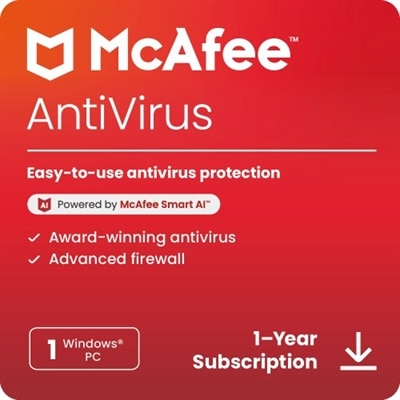
Firewall and malware protection work together as two complementary layers of digital security. A firewall acts as a gatekeeper for network traffic, monitoring connection attempts moving into and out of a computer or device and blocking activity that does not meet established rules. Malware protection takes a closer look at the device itself, inspecting files, applications, downloads, email attachments, removable drives, and other content for malicious code. That distinction matters: a firewall can help prevent an unauthorized connection, but it generally cannot remove an infected file that arrived through an encrypted message, a USB drive, or a trusted application. Likewise, malware protection can identify and isolate a threat on a laptop or desktop, but it is not designed to control every connection reaching the device. For a more complete layer of defense, look for solutions that combine network traffic monitoring with file scanning, real-time threat detection, automatic updates, and tools that can quarantine or remove suspicious content. Modern protection may also include intrusion prevention, web filtering, phishing safeguards, application controls, and behavior-based detection that recognizes unusual activity even when a threat is too new to appear on a traditional list of known files. Browsing habits, work routines, and the number of connected devices all influence the right approach. Someone who primarily uses a computer for reading, streaming, shopping, and personal email may value straightforward setup and quiet background protection, while a remote worker may need stronger controls for business documents, shared folders, video calls, and frequent downloads. Families can benefit from device coverage that supports separate user profiles and clear activity controls, especially when children use the same laptop for homework, games, and web browsing. A freelance designer, student, or photographer who regularly transfers files from external drives should pay particular attention to removable-media scanning and ransomware protection. For households with several laptops, desktops, tablets, or phones, check whether the coverage supports the total number and types of devices in use rather than assuming one license or subscription will apply everywhere.
When comparing firewall malware protection options, begin with compatibility and coverage. Confirm that the solution supports the operating systems and device types you rely on, including the version installed on each laptop or desktop, and check whether protection extends to mobile devices if those devices handle email, banking, photographs, or work files. Review how updates are delivered and whether threat definitions, detection engines, and security rules refresh automatically. Security protection is most useful when it stays current without requiring someone to remember a complicated maintenance routine. It is also worth looking at the balance between visibility and simplicity. Some tools provide detailed alerts, connection histories, and customizable permissions for experienced users who want to review every application request. Others emphasize guided setup, plain-language notifications, and automatic decisions that help a busy household avoid interruptions. A good alert should explain what happened, why it may matter, and what action is recommended, rather than filling the screen with technical terms. Consider performance as well. Protection should run quietly in the background without making everyday tasks such as opening documents, joining a call, editing photos, or launching a game feel sluggish. Features such as scheduled scans, low-resource modes, secure browsing, password safeguards, and backup integration can add value, but prioritize the functions that fit your routine. A firewall rule that blocks every unfamiliar connection may create frustration, while rules that are too permissive can leave gaps. Look for a manageable way to approve trusted applications, reverse an accidental choice, and review blocked activity. Privacy practices deserve equal attention: read how diagnostic information is collected, understand what permissions the software requests, and choose settings that provide useful protection without sharing more information than necessary. For a shared home computer, separate user accounts and standard-user permissions can reduce the chance that an accidental download changes system settings. Keeping the operating system, browsers, applications, and firmware updated is equally important, since security tools work best when the broader device environment is maintained.
Firewall malware protection can be a practical addition to a new laptop, desktop, or home computing setup, and it may also be a thoughtful gift for a student moving into a dorm, a relative learning to manage finances online, or a friend beginning remote work. The most helpful choice is one that matches the recipient’s comfort level: simple, automatic protection is often preferable for someone who does not want to manage frequent prompts, while configurable controls may suit a technically experienced user. Before purchasing, make a short inventory of the devices that need coverage, the types of files and websites used most often, and the people who will be responsible for responding to alerts. This quick check can prevent common mismatches, such as choosing protection for only one operating system when the household uses several, or overlooking an older desktop that still stores tax records and family photographs. Place extra emphasis on ransomware defense, malicious-download blocking, email attachment scanning, and recovery tools if the device contains irreplaceable work or personal files. Security protection should also be paired with sensible habits: use strong, unique passwords; enable multifactor authentication where available; avoid opening unexpected attachments; download applications from reputable sources; and keep at least one separate backup of important documents and photographs. A firewall does not make every connection safe, and malware protection cannot replace careful judgment, but together they can reduce the paths a threat may take and shorten the time between detection and response. For additional context when comparing configurations and features, explore Firewall Solutions. Whether the goal is to protect a personal laptop, support a household with several users, or give someone a dependable layer of digital care, the strongest choice is a balanced one: network controls at the boundary, malware scanning on the device, timely updates, clear alerts, and habits that make secure computing easier to maintain through every season.
FAQs:
Firewall malware protection can be applied to a wide range of devices, including laptops, desktops, tablets, and even smart home equipment. Many solutions offer network-wide coverage, allowing you to secure multiple devices simultaneously through a single unified system.
A unified threat management system combines multiple security features such as firewall controls, intrusion prevention, content filtering, and antivirus protection into a single platform. This provides a more comprehensive approach than traditional antivirus software, which typically focuses only on detecting and removing malware from individual devices.
Many modern firewall and malware protection solutions offer remote management capabilities. This allows users to monitor network activity, update settings, and receive security alerts from anywhere, making it convenient for both home users and IT administrators.
Yes, there are solutions specifically designed for small businesses, offering features like centralized management, advanced reporting, and scalable protection. These options help safeguard sensitive business data and ensure regulatory compliance without requiring a dedicated IT team.
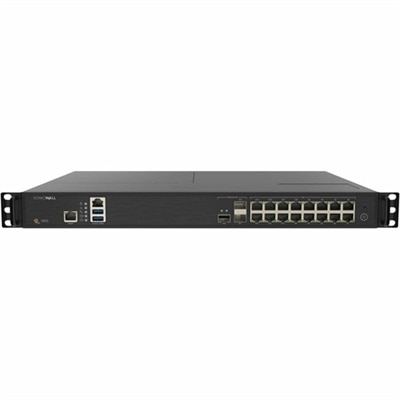
An antivirus hardware appliance is a dedicated device that sits between your network and the internet, inspecting incoming and outgoing traffic for threats. It provides an additional layer of security by blocking malware and unauthorized access before they reach your devices, often integrating seamlessly with existing network infrastructure.