Front Door Wireless Security Cameras

Front door wireless security cameras offer a convenient way to keep an eye on your home’s main entry point, providing added peace of mind whether you’re at home or away. With easy installation and flexible placement options, these cameras are designed to help you monitor activity around your front door without the need for complicated wiring. Explore a variety of front door wireless security cameras to find the ideal solution for enhancing your home’s security and staying connected to what matters most.

Filters

$359.99

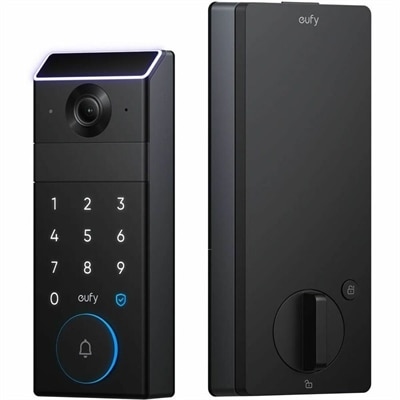
A 3-in-1 smart lock featuring palm-vein unlocking, 2K camera, video doorbell, color display, and Matter compatibility.
$359.99
$39.99

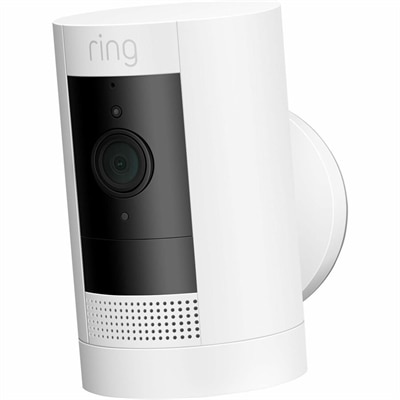
A white, wire-free Full HD security camera with motion alerts, live view, two-way talk, privacy zones.

$39.99
$449.99

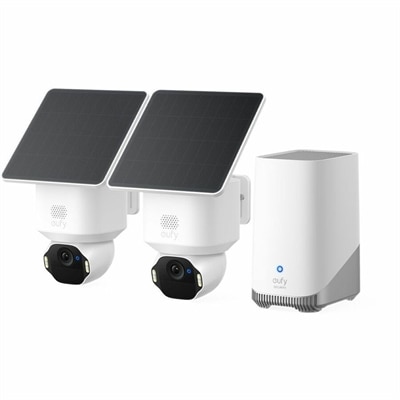
A 4K security camera kit with AI tracking, 360° coverage, solar charging, and 16GB local storage.

$449.99

Front Door Wireless Security Cameras

Front door wireless security cameras provide a view of the entryway, with features such as motion alerts, recorded video, and two-way audio that help residents stay aware of activity outside. Depending on the camera, footage may be saved locally or through a cloud-based recording service, while a compatible mobile app provides access to live video and notifications. These cameras suit everyday moments: a package arriving during a work call, a visitor waiting on the porch, or a household member returning after dark. Wireless usually describes how the camera connects to the home’s Wi-Fi, not necessarily how it receives power. Battery-powered designs offer flexibility in placement, while cameras connected to compatible existing wiring avoid routine battery charging. A doorbell-style camera sits close to the door and combines visitor interaction with video coverage; a separately mounted camera may offer more freedom to frame a walkway, porch, or recessed entrance. Physical fit matters as much as the feature list. A narrow doorframe, decorative molding, brick exterior, or deeply shaded alcove can affect mounting options and the camera’s view. An angled mounting bracket may help direct the lens toward approaching visitors rather than a nearby wall, provided the camera supports that accessory. For a doorbell replacement, compatibility with existing wiring, the transformer, and any indoor chime deserves attention because requirements vary. Renters and residents of managed communities may also need permission before drilling or changing exterior fixtures. A strong Wi-Fi signal at the actual mounting location supports a more dependable connection, especially when thick masonry or a metal door separates the entryway from the home’s wireless access point. Remote viewing and mobile notifications generally require internet access, and recording during a connection interruption depends on the camera’s capabilities. Together, the mounting position, power source, and connection determine how comfortably a camera fits into the household’s routine. A location that looks convenient from inside may still need adjustment to capture someone standing close to the threshold.

The most useful front door view shows the activity that matters without filling the frame with passing traffic or neighboring windows. A wide field of view can capture more of the porch, but the shape of that view is equally important: generous vertical coverage helps show both a visitor’s face and a delivery left near the doormat. Resolution contributes to detail, although clear footage also depends on lighting, lens quality, compression, and the distance between the camera and its subject. A bright street behind a shaded porch creates a demanding scene, making balanced exposure valuable for seeing someone standing at the door. At night, infrared illumination can provide a view without visible porch lighting, while color night video may require ambient light or a built-in light, depending on the design. Nearby glass, shiny trim, and close walls can reflect infrared light and interfere with the image. Motion detection is another practical distinction. Adjustable activity zones help focus alerts on the front steps instead of every car traveling along the street. Where supported, person or package detection can further refine notifications, though accuracy varies with placement and conditions. Recording behavior also differs: some cameras capture motion-triggered clips, while others support longer recording periods or continuous footage under compatible power and recording arrangements. Two-way audio allows a resident to speak with a visitor through an app, which is useful for directing a delivery to a sheltered spot or acknowledging someone while away from home. Wind and street noise can affect conversation clarity, so microphone placement and audio controls matter. Access to saved clips, recording retention, and advanced detection features may depend on the recording method and service requirements. Local recording can keep footage on compatible media or a supported household device; cloud-based recording keeps footage remotely, subject to the service’s access and retention terms. Strong account credentials, multifactor authentication where supported, and current camera software help protect access to the live view and saved video.

Outdoor construction should match the conditions at the entrance rather than simply the appearance of the camera. Weather-resistant housings, often made from durable molded materials or metal, protect internal components, but resistance to rain does not make every camera suitable for every exposed location. The stated weather-resistance rating and operating temperature range help distinguish a camera intended for a covered porch from one appropriate for a more open mounting position. Direct afternoon sun, wind-driven rain, freezing temperatures, and coastal moisture place different demands on the housing and power components. Battery life also varies with temperature, motion frequency, recording settings, and how often someone opens the live view. A busy sidewalk can trigger far more activity than a quiet front path, making accessible placement especially helpful for a rechargeable camera. Routine care is straightforward: gently remove dust, pollen, and cobwebs from around the lens, and clean the exterior with a soft cloth according to the manufacturer’s directions. Abrasive cleaners and high-pressure water can damage lens surfaces or seals. Mounting hardware, charging-port covers, and cable connections benefit from periodic inspection, particularly after severe weather. A camera should remain reachable for maintenance without being positioned where a door, screen, or seasonal decoration blocks its view. For homeowners, renters with approved mounting options, frequent travelers, and households receiving regular deliveries, the right combination of visibility and manageable notifications makes front door monitoring more useful day to day. Coordinating the entryway view with Wireless Home Security Cameras in other appropriate locations may simplify monitoring when the cameras support the same app or compatible system. Thoughtful placement also respects neighbors by keeping the view focused on the household’s own entrance and access path. Front door cameras complement sound locks, adequate lighting, and attentive household routines; they provide information about activity at the entrance rather than a guarantee that an incident will be prevented.

FAQs:

Add the products you would like to compare, and quickly determine which is best for your needs.

Add the products you would like to compare, and quickly determine which is best for your needs.