Gaming Computers For Teens
Gaming computers for teens are designed to keep up with the fast-paced demands of today’s most popular games and activities. Whether it’s for competitive play, streaming with friends, or exploring new virtual worlds, these computers offer the performance and reliability that young gamers need. Browse a wide selection of gaming computers for teens and find options that match every style, space, and budget, making it easy to level up any gaming setup.
This product is not available
Check out the following recommendations.

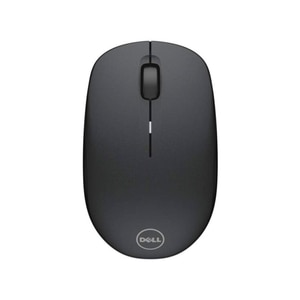

Gaming Computers For Teens
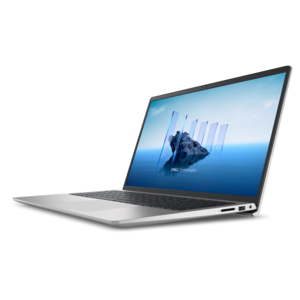
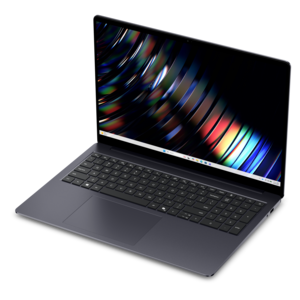
Gaming computers for teens can support much more than play. A capable desktop or laptop may become the center of a bedroom setup, a shared family workspace, or a place to connect with friends after school. Teens often use the same computer for popular games, creative projects, streaming, homework, video calls, and learning software, so the right choice should balance gaming performance with everyday flexibility. Desktops generally offer more room for powerful components, cooling, upgrades, and larger screens, while gaming laptops provide a built-in display, keyboard, and portability for moving between rooms or taking a computer to a friend’s home. A prebuilt gaming computer can also simplify the purchasing process by combining compatible components in one ready-to-use system, which is helpful for households that prefer not to select and install every part separately. When comparing gaming computers for teens, start with the games they enjoy or hope to play, then consider the display resolution, desired frame rate, and other applications they may use. Lighter games such as Minecraft, Roblox, and Fortnite can run well on many entry-level systems, while visually demanding open-world games, competitive titles with high frame-rate targets, and creative applications may benefit from a stronger configuration. A dedicated graphics processing unit, or GPU, is one of the most important components for gaming because it renders the images, lighting, and motion shown on screen. For a flexible setup, look for a modern dedicated GPU with enough graphics memory for the games and visual settings in use; configurations with approximately 8GB to 12GB of dedicated graphics memory can provide a useful foundation for many current gaming experiences. Performance also depends on the processor, cooling design, display, and software settings, so a balanced computer is usually preferable to one with a single standout component.
Memory and storage are equally important for a computer that may be used for both gaming and schoolwork. Around 16GB of system memory is a practical starting point for modern gaming, web browsing, voice chat, productivity applications, and multitasking without constant slowdowns. Teens who edit videos, create digital art, stream gameplay, or keep many applications open may appreciate additional memory as their needs grow. A solid-state drive, or SSD, can shorten startup times and help games, applications, and files load more quickly than a traditional hard disk drive. A 512GB SSD may suit a smaller game library, whereas a 1TB SSD offers more breathing room for large installations, school files, screenshots, recordings, and creative projects. It is worth checking whether the computer allows future memory or storage upgrades, particularly when selecting a system intended to remain useful through changing interests and more demanding software. Entry-level gaming computers commonly fit budgets around $500 to $800 and can be appropriate for lighter games and standard settings. Mid-range systems around $800 to $1,100 may offer stronger graphics, smoother performance in competitive games, and more flexibility for demanding titles. These ranges can vary according to the processor, GPU, memory, storage, operating system, and included accessories, so comparing the full configuration matters more than focusing on one specification. For additional ideas on matching performance and features to school and gaming needs, explore Best Gaming Desktops For Students.
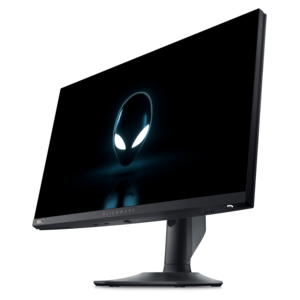
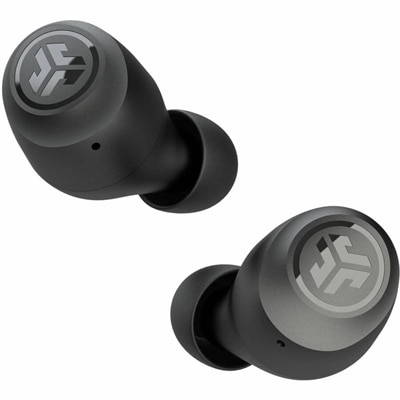
A comfortable setup can make a noticeable difference during long gaming sessions, study periods, and creative work. A monitor with a fast refresh rate can make movement appear smoother, especially in racing, action, and competitive games, while a sharp resolution and suitable screen size can improve text readability and make school assignments easier to review. Adaptive sync support may help reduce visible tearing when the frame rate changes. An adjustable monitor stand, comfortable keyboard, responsive mouse, and headset with a clear microphone can complete the experience without requiring excessive desk space. Accessories should match the teen’s habits: a compact keyboard may suit a small desk, a wireless mouse can reduce cable clutter, and a headset can help keep game audio contained in a shared home. Pay attention to available ports, Wi-Fi support, Bluetooth connectivity, and the number of displays the computer can support. These details affect how easily a teen can connect a monitor, controller, webcam, printer, external drive, or other everyday device. Parents, relatives, and other gift-givers may choose a gaming computer as a practical present for a teen who enjoys games, digital creativity, computer clubs, or learning about technology. A desktop can also become a shared place for siblings to play together, collaborate on projects, or practice skills such as video editing and beginner game design. During the warmer part of the year, a portable gaming laptop may make it easier to move between a cool workspace and a family room, while a desktop setup can provide a steady home base during cooler months and busy school routines. Regardless of season, place the computer on a stable surface with clear airflow around its vents, keep software and security tools updated, and encourage regular breaks during extended sessions. Choosing a system with enough graphics capability, 16GB or more of memory, fast SSD storage, and room for future accessories can help a teen enjoy games today while keeping the computer useful for school, hobbies, and new interests over time.
FAQs:
When selecting a gaming computer for teens, prioritize a strong processor (such as the latest Intel Core or AMD Ryzen models), a dedicated NVIDIA RTX graphics card for smooth gameplay, at least 16GB of RAM, and a fast NVMe SSD for quick load times. Additional features like RGB lighting, tempered glass cases, and upgradeable components can also enhance the gaming experience and allow for future customization.
Prebuilt gaming PCs are an excellent option for teenagers, especially those new to PC gaming or building. They offer reliable performance right out of the box, come with manufacturer warranties, and often include customer support. This makes setup and maintenance easier, so teens can focus on gaming, schoolwork, and creative projects without the hassle of assembling components.
Yes, a gaming computer is versatile and well-suited for school assignments, digital art, video editing, and other creative projects. The powerful hardware that supports gaming also excels at multitasking and running demanding software, making it a great all-around computer for teens balancing academics and hobbies.
Upgradeability is a valuable feature in a gaming PC for teens, as it allows the system to evolve with changing needs and new technology. Many desktops offer easy access to components like memory, storage, and graphics cards, enabling future upgrades that extend the computer's lifespan and performance.
Accessories such as high-refresh-rate monitors, mechanical keyboards, gaming mice, and quality headsets can significantly enhance the gaming experience for teens. These peripherals provide better responsiveness, comfort, and immersion, allowing young gamers to get the most out of their setup whether they're playing competitively or casually.