Headphones for Daily Use
Headphones for daily use are essential for staying connected, enjoying music, and enhancing productivity throughout the day. Whether you’re working from home, commuting, or unwinding with your favorite playlist, the right pair can make all the difference in comfort and convenience. Explore a wide selection of headphones for daily use to find options that suit your lifestyle and fit seamlessly into your routine.
This product is not available
Check out the following recommendations.
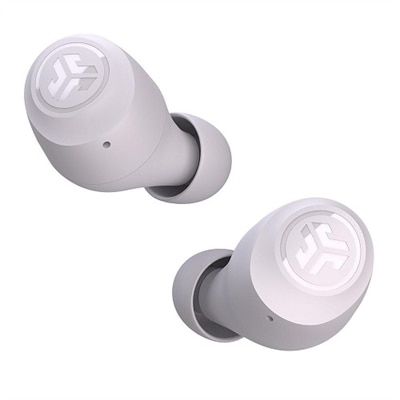
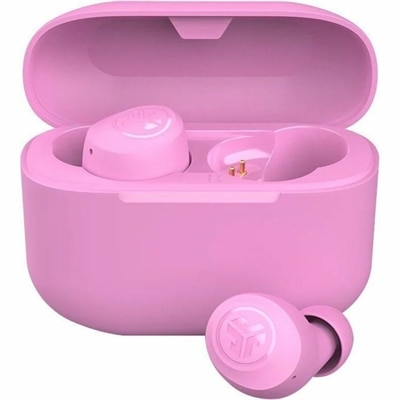
Headphones for Daily Use
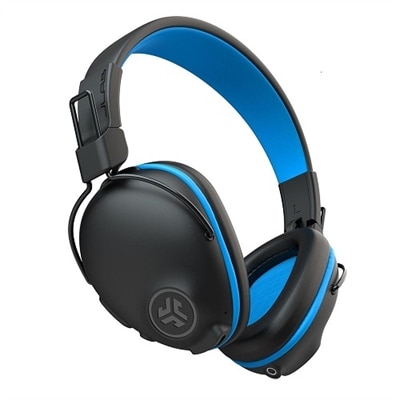
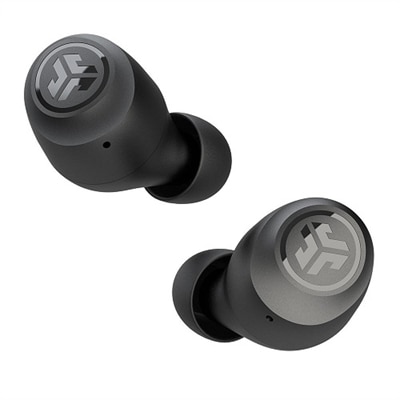
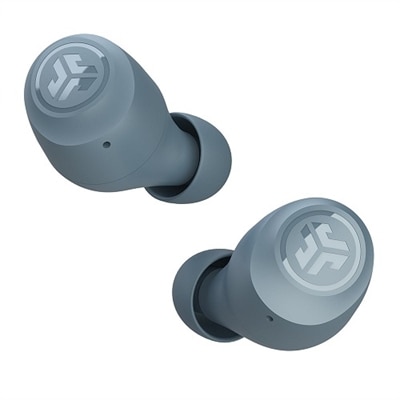
Headphones for daily use bring music, conversations, podcasts, and entertainment into the ordinary spaces of a day, from a quiet kitchen in the morning to a busy desk in the afternoon. The most useful everyday headphones balance comfort, clear sound, dependable connections, and controls that feel natural when attention is elsewhere. Over-ear headphones surround the ears with cushioned cups and can provide an immersive listening experience without placing anything inside the ear canal. On-ear designs rest against the ears and often take up less room in a bag, although their pressure and fit feel different during longer sessions. In-ear headphones and earbuds offer a compact alternative for commuting, moving between rooms, or carrying audio essentials in a jacket pocket. Materials make a noticeable difference over several hours: fabric-covered cushions can feel breathable, smooth synthetic coverings are often easier to wipe clean, and silicone ear tips provide a flexible seal when properly sized. Foam tips conform differently and may need more frequent replacement as they wear. A padded, adjustable headband helps distribute weight, while swiveling ear cups can accommodate different head shapes and sitting positions. For someone wearing glasses, softer cushions and moderate clamping pressure may reduce discomfort around the temples. Fit also affects sound. A secure ear-tip seal or well-positioned ear cushion can improve bass response and passive isolation, reducing the temptation to turn up the volume to compete with surrounding noise. Everyday listening does not necessarily call for exaggerated bass or highly prominent treble; balanced tuning can keep spoken voices intelligible and music enjoyable across different genres. Adjustable sound settings, where supported, allow listeners to adapt the presentation to a podcast, a favorite album, or a movie without changing headphones. Students, remote workers, frequent commuters, and people who enjoy listening while doing household tasks may each favor a different shape, but lasting comfort matters across all of these routines. Even small details, such as easily distinguished left and right markings or buttons that can be found by touch, contribute to a smoother daily experience.
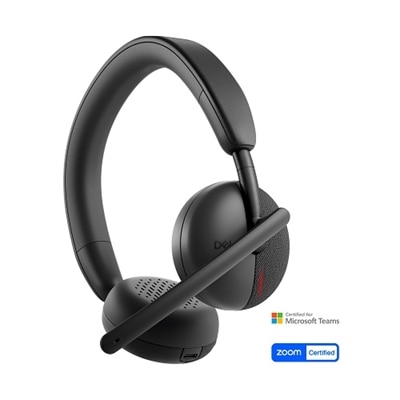
The setting in which headphones are used influences which features earn their place in an everyday routine. Active noise cancellation can reduce steady background sounds, such as the hum of an air conditioner or the rumble of a train, though performance varies and sudden noises or nearby voices may remain audible. Passive isolation comes from the physical fit of the ear cups or tips and does not require a powered noise-canceling system. Transparency or ambient listening modes use microphones to bring surrounding sound into the listening experience, which can be convenient for brief conversations or hearing an announcement. These features do not replace attention to surroundings, particularly near traffic. For listening that extends beyond the desk or living room, Headphones For Outdoor Use provide a related category for routines that involve fresh air, movement, and changing conditions. At home, closed-back headphones help contain sound and offer some separation from household activity, while open-back designs allow more sound to pass in both directions and are generally better suited to quiet, shared-noise-tolerant spaces. Calls introduce another set of practical considerations. Microphone placement, background-noise processing, and the acoustics of a room all affect how clearly a voice reaches the other person; listening-side noise cancellation alone does not establish microphone quality. A readily accessible mute control is useful during meetings, and a boom microphone can keep voice pickup closer to the mouth. Wireless headphones offer freedom from a cable when reaching for a notebook or walking across a room, provided the connected device remains within range. Supported multipoint connections can simplify moving between a laptop and a phone, although switching behavior depends on the headphones, devices, and applications. Wired headphones avoid battery charging for basic playback and can provide a straightforward connection for stationary listening. Connector compatibility still matters, since a headphone jack, USB connection, or adapter may support different audio and microphone functions. For video and gaming, audio delay is another consideration; connection type and device support can influence how closely dialogue and effects match the action onscreen.
Durability and care help daily headphones remain comfortable and dependable through repeated use. Reinforced adjustment points, well-constructed hinges, and securely attached cushions are practical details for headphones that travel between a desk, backpack, and bedside table. Folding designs can reduce their footprint, but hinges still benefit from gentle handling rather than being forced into an overfilled bag. A fitted case or protective pouch helps keep ear cushions from rubbing against keys and prevents loose cables from catching on other belongings. Replaceable ear pads, ear tips, or detachable cables can extend useful life when those parts become worn, provided compatible replacements are supported. Battery expectations deserve similar attention with wireless models. Published listening times are typically based on particular test conditions, and actual runtime can change with volume, noise cancellation, calls, and other enabled features. With true wireless earbuds, total listening time that includes charging-case top-ups is different from the uninterrupted runtime of the earbuds themselves. Quick-charging support may be convenient before leaving home, but charging requirements and playback while connected to power vary. Day-to-day care is usually simple: follow the manufacturer's cleaning directions, remove surface dust with a soft cloth, and avoid allowing moisture into openings or charging contacts. Ear tips and cushions may require different cleaning methods, and parts should be fully dry before reassembly or charging. Sweat or water resistance, when specified, applies only within the stated rating and should not be assumed to make headphones suitable for swimming or rinsing under a faucet. Keeping headphones away from prolonged heat and avoiding tight bends in cables also reduces unnecessary wear. For someone receiving everyday headphones as a gift, familiar routines offer useful context: long study sessions favor a comfortable fit, regular calls make microphone performance important, and frequent travel puts portability and isolation in focus. Compatibility with the recipient's existing devices matters more than an extensive feature list. Across these uses, comfortable listening levels and regular breaks support a more sustainable listening routine, while thoughtful fit, straightforward controls, and manageable upkeep make headphones easier to enjoy day after day.
FAQs:
When selecting headphones for daily use, prioritize comfort with features like memory foam earcups and adjustable headbands. Look for long battery life, reliable Bluetooth connectivity, and quick-charge options. Additional features such as active noise cancellation and built-in microphones can enhance your experience during calls or while listening to music in busy environments.
Most headphones designed for daily use offer broad compatibility, including seamless pairing with Dell computers through Bluetooth or wired connections. Look for models that support plug-and-play connectivity or easy Bluetooth pairing to ensure a smooth experience with your Dell device.
While many daily use headphones are suitable for light activity, if you plan to use them during workouts or in outdoor environments, consider models with sweat resistance or weatherproofing. For more specialized options, explore our collection of Headphones For Outdoor Use.
Battery life is a key consideration for daily use headphones, especially if you rely on them throughout the day for calls, meetings, or entertainment. Many models offer 35 hours or more on a single charge, with quick-charge features that provide several hours of playback from just a short charging session.
Headphones for daily use make a thoughtful gift for students, professionals, and anyone who enjoys music, podcasts, or audiobooks. Their comfort, versatility, and stylish designs appeal to a wide range of users, making them a practical and appreciated present for birthdays, holidays, or special occasions.