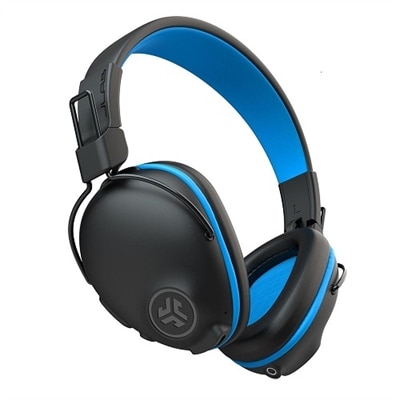
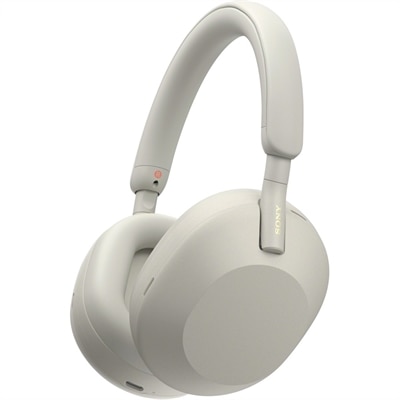
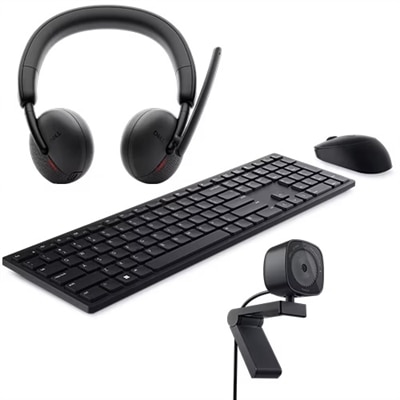
Headphones For Language Learning
Headphones for language learning are essential tools for anyone looking to improve their listening and speaking skills. Whether you're practicing pronunciation, engaging in immersive audio lessons, or participating in virtual language classes, the right pair of headphones can make a significant difference in your experience. With options designed for comfort and clarity, finding headphones for language learning can help you stay focused and motivated on your journey to mastering a new language. Explore a variety of styles and features to find the perfect fit for your study routine.
This product is not available
Check out the following recommendations.




Headphones For Language Learning
Headphones for language learning bring spoken words into focus, helping listeners hear the small differences that give a language its meaning: a final consonant, a stretched vowel, a change in stress, or the rising pitch of a question. For listening comprehension, clear vocal reproduction matters more than powerful bass. A balanced sound with a well-defined midrange can make dialogue easier to follow without letting background music overwhelm a speaker’s voice. That distinction becomes useful when a beginner repeats short vocabulary clips or an advanced learner follows a fast conversation with unfamiliar regional accents. Headphones cannot slow natural speech on their own, but clear playback can make repeated listening more productive, especially when paired with an app’s speed controls or transcripts. Different listening environments call for different designs. Closed-back over-ear headphones surround the ears and provide some passive isolation, while on-ear styles rest against the ears and can feel less bulky in a backpack. In-ear headphones offer a compact alternative, with sound and isolation depending heavily on the fit of their tips. Active noise cancellation can reduce steady background sounds, such as an air conditioner’s hum, though it does not eliminate every nearby conversation or sudden noise. Open-ear designs leave the ears less obstructed, allowing learners to hear their surroundings and their own voices more naturally, but they offer less separation from outside sound. These differences matter during everyday practice: a quiet bedroom, a shared apartment, and a busy campus lounge place different demands on the same listening exercise. Adults preparing for travel, college students completing coursework, and multilingual households practicing together may all use language-learning headphones in different ways. For learners receiving headphones as a gift, the most useful features depend on whether practice happens mainly at a desk, during a commute, or through conversations with a tutor. Across those settings, intelligible speech, a comfortable fit, and a connection that works with the listening device provide a practical foundation.
Speaking practice adds another requirement: a microphone that captures the learner’s voice clearly and consistently. A built-in microphone is useful for pronunciation exercises, recorded assignments, voice-recognition activities, and live tutoring, although these tasks can also use a separate microphone when the setup supports one. A headset with an adjustable boom places the microphone near the mouth, helping keep voice pickup consistent as the wearer turns toward a notebook or screen. Positioning it slightly to the side of the mouth, rather than directly in the path of breath, can reduce distracting bursts on sounds such as “p” and “b.” Inline microphones and microphones built into wireless earcups or earbuds offer a less conspicuous design, but their performance varies with placement, room noise, and processing. Microphone noise reduction and headphone active noise cancellation serve different purposes: the former aims to reduce unwanted sound in the voice sent to a listener, while the latter reduces certain sounds heard by the wearer. Neither guarantees a perfectly quiet lesson. In a conversation exercise, a tutor needs to hear word endings and soft syllables, not just the loudest parts of a sentence. A short test recording can reveal whether a microphone is brushing against clothing, picking up a nearby fan, or clipping louder speech. Sidetone, sometimes called microphone monitoring, feeds some of the wearer’s voice back into the headphones and can make speaking feel more natural when the earcups seal closely. Connection type also shapes the experience. Wired USB headsets can provide a straightforward computer connection, while a 3.5 mm headset requires a compatible audio jack that supports both listening and microphone input. Some computers have separate headphone and microphone ports, and adapters may be necessary. Bluetooth headphones allow more freedom to stand, gesture, or pace during a conversation, but battery life, connection stability, and microphone compatibility still matter. On some devices, activating a Bluetooth microphone changes playback quality, so music performance alone does not describe the experience during a call. Accessible mute and volume controls help keep lessons moving, and compatibility with the intended laptop, tablet, phone, and learning software is more important than a long feature list.
Comfort becomes especially noticeable during longer sessions that move from listening drills to conversation and then to reviewing recordings. Over-ear cushions should leave enough room around the ears without pressing them against the inside of the cups, and an adjustable headband should distribute weight rather than create a sore spot at the crown. A secure fit does not need to feel tight. For someone wearing glasses, pressure where the ear cushions meet the frames can become distracting well before an assignment ends. Breathable fabric cushions may feel cooler, while leatherette surfaces are often easier to wipe clean; either material needs care suited to its construction. Silicone ear tips can provide a washable contact surface when the manufacturer permits cleaning, while foam tips generally need gentler handling and periodic replacement. Shoppers whose practice includes extended lectures or back-to-back tutoring appointments can also explore Headphones For Long Listening Sessions for another comfort-focused perspective on everyday listening. Durability matters just as much as initial fit, particularly when headphones travel between a desk, classroom, and library. Reinforced cable entry points, sturdy hinges, replaceable cushions, and detachable cables can make routine wear easier to manage, depending on the design. A protective case keeps earcups from rubbing against keys or getting compressed beneath books, and loosely coiling a cable helps avoid repeated strain near the plug. Cleaning should follow the manufacturer’s directions: a soft cloth, minimal moisture where permitted, and time to dry are safer than soaking cushions or spraying liquid into microphone openings. Shared headphones benefit from regular cleaning of contact surfaces, especially between users. For daily practice, moderate listening levels and regular breaks support a more comfortable routine; raising the volume to overpower a noisy room is not a substitute for a suitable listening environment. Well-matched headphones let the learner concentrate on the voice in the lesson, hear a recorded response clearly, and settle into the repetition that language study often requires.
FAQs:
When choosing headphones for language learning, focus on models with clear vocal reproduction, passive noise isolation, and a comfortable fit for long listening sessions. Over-ear designs with soft ear cushions and adjustable headbands are ideal for extended use. If you plan to participate in online lessons or interactive language labs, consider headphones with a high-quality, noise-canceling microphone for accurate voice transmission.
Yes, language lab headphones are typically designed for durability, comfort, and clear audio performance. Binaural headsets that cover both ears help maximize concentration and minimize external distractions, making them a preferred choice for classroom and group learning environments.
Absolutely. Headphones with excellent midrange and vocal clarity allow you to hear subtle differences in pronunciation, making it easier to mimic native speakers and refine your accent. Some open-ear or semi-open designs also let you hear your own voice naturally, which can be helpful for practicing speaking skills.
Headphones for language learning are beneficial for students, teachers, tutors, and self-learners of all ages. They are also a thoughtful gift for anyone interested in picking up a new language, preparing for travel, or staying connected with friends and family abroad.
Many headphones designed for language learning also perform well for music, podcasts, and video calls. Look for versatile models with balanced sound profiles and comfortable designs, so you can seamlessly transition between language lessons and everyday listening.