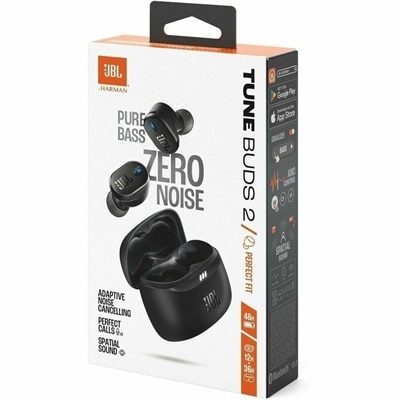
Headphones With Spatial Audio
Experience a new dimension of sound with headphones with spatial audio. Whether you’re immersing yourself in music, movies, or gaming, these innovative headphones are designed to deliver an expansive and engaging listening experience. Discover options that combine advanced technology with comfort and style, making it easy to find the perfect pair for any situation. Elevate your audio journey and enjoy every detail with headphones with spatial audio.
This product is not available
Check out the following recommendations.




Headphones With Spatial Audio
Headphones with spatial audio can make compatible music, movies, shows and games feel more open, layered and lifelike than conventional left-and-right stereo. Instead of placing every sound inside two fixed channels, spatial audio processing creates the impression that voices, instruments and effects are arranged around you in a three-dimensional soundstage. A film may place dialogue directly ahead while a passing vehicle moves from one side to the other, or a game may make footsteps seem to approach from behind. The effect varies by content, device and listening mode, but the goal is consistent: a more immersive sense of distance, direction and space. Many spatial audio experiences rely on software processing and compatible formats rather than on a special headphone connection. A phone, laptop or other playback device may decode immersive content and send the processed signal to the headphones, while some models also provide their own spatialized modes for stereo music and other everyday audio. Compatibility is worth checking before purchase, especially when moving between phones, computers, tablets, televisions and gaming systems. Look for support that matches the devices you use most, along with clear information about Bluetooth codecs, companion apps and available audio formats. Some headphones support immersive standards such as Dolby Atmos or other object-based audio formats, while others use virtual surround processing to widen ordinary stereo content. Neither approach is automatically best for every listener; the most satisfying choice depends on the content you enjoy and how much control you want over sound modes.
Head-tracking is another feature that can change the character of spatial audio headphones. Models with built-in motion sensors and gyroscopes can adjust the audio field when you turn your head, helping a voice or musical performance appear to stay anchored in front of you rather than moving with your ears. The sensation can feel especially natural during a movie on a quiet evening, when turning toward a cup of tea or glancing at a nearby window does not make the entire soundstage seem to rotate. Personalized spatial audio may use a short setup process to measure how sound reaches your ears and create a profile tailored to your hearing geometry. Active noise cancellation can further improve immersion by reducing steady background sounds such as airflow, public transportation or a busy café, while a transparency or ambient mode helps you remain aware of nearby conversations and surroundings. When comparing options, consider the fit as carefully as the feature list. Over-ear headphones typically offer cushioned ear cups, a broad presentation and physical controls that are easy to find, though they can feel warm during long sessions and take up more room in a bag. Earbuds are compact and convenient for commuting, travel and quick listening, with secure-fit options available for people who move throughout the day. For an expanded look at compact designs, browse Wireless Earbuds With Spatial Audio. Battery life, charging methods, microphone quality, multipoint pairing and comfort over several hours can matter just as much as spatial processing. If you wear glasses, have smaller ears or plan to listen while working at a desk, pay attention to pressure, adjustable fit and the availability of replacement ear tips or cushions.
These headphones can suit listeners with very different routines. A music fan may use spatial tracks to hear backing vocals spread across a wider stage, subtle reverberation around a piano or the layered texture of a live recording. A movie viewer can enjoy a theater-like presentation without filling a room with sound, which is useful when others are sleeping or working nearby. For gaming, directional audio may help convey the position of movement and environmental effects, although performance depends on the game, console or computer and the selected audio settings. They can also be practical for remote meetings, online classes and video calls when clear microphones and comfortable padding are priorities. A pair may make a thoughtful gift for someone who commutes, travels, watches films late in the evening or spends long stretches listening at a desk. Before giving headphones, consider whether the recipient prefers an over-ear or in-ear design, uses a particular phone or computer, and values strong noise cancellation, a light fit or extended battery life. During the cooler months, padded over-ear headphones can feel comfortable on a walk or while settling into a reading chair, while earbuds remain easy to use beneath a hat or jacket. Keep expectations realistic: spatial audio is not identical across every app, recording or device, and some listeners prefer traditional stereo for certain music. The strongest experience usually comes from pairing comfortable headphones with well-mastered compatible content, suitable device settings and a fit that creates a consistent seal without becoming tiring. With those details in place, headphones with spatial audio can bring greater depth to familiar playlists, make a movie soundtrack feel more immediate and add a convincing sense of place to everyday listening.
FAQs:
Spatial audio headphones use advanced audio processing to create a three-dimensional soundstage, making it feel like sound is coming from all around you rather than just from the left and right. This enhances immersion for music, movies, and gaming by placing you in the center of the action.
Yes, many spatial audio headphones are compatible with gaming consoles. Some models are specifically designed as a wired headset for PS5, providing immersive surround sound and precise audio cues that can give you a competitive edge in gaming.
Both wired and wireless options are available. Wired headphones with spatial audio are popular among users who prioritize minimal latency and the highest audio fidelity, while wireless models offer greater mobility and convenience.
Windows Sonic for headphones is a spatial sound technology built into Windows devices. When enabled, it virtualizes surround sound to create a more immersive listening experience, making it ideal for gaming, movies, and music on compatible headphones.
Spatial audio earbuds can deliver impressive 3D sound, though the experience may differ slightly from over-ear headphones due to driver size and ear fit. However, many users find spatial audio earbuds convenient for on-the-go listening while still enjoying a rich, immersive soundstage.