$39.99
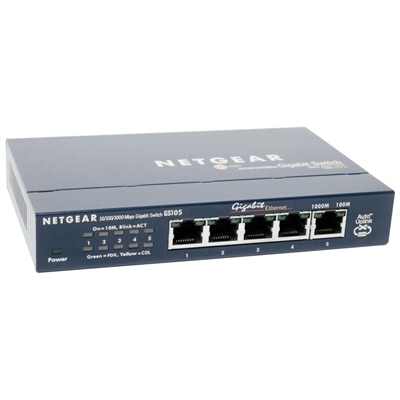
A compact, fanless five-port Gigabit Ethernet switch with a durable metal chassis for quiet, reliable networking.
High availability networking is essential for businesses seeking to maintain seamless operations and minimize downtime. By ensuring continuous connectivity and robust network performance, these solutions empower organizations to support critical applications and services with confidence. Whether you're managing a growing enterprise or optimizing an existing infrastructure, high availability networking offers the reliability and scalability needed to meet evolving demands. Explore how these advanced networking solutions can enhance productivity, improve resilience, and drive business success in today's fast-paced digital landscape.
A compact, fanless five-port Gigabit Ethernet switch with a durable metal chassis for quiet, reliable networking.
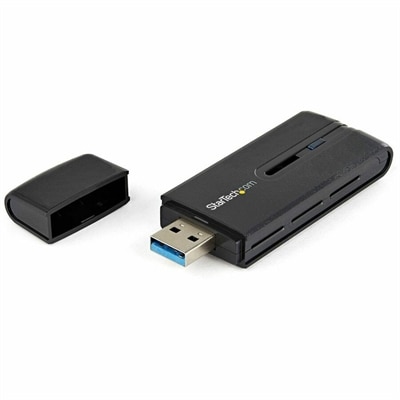
A dual-band USB 3.0 Wireless-AC adapter delivering up to 867 Mbps with WPS and backward compatibility.
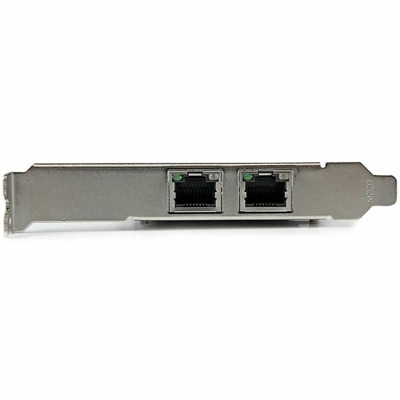
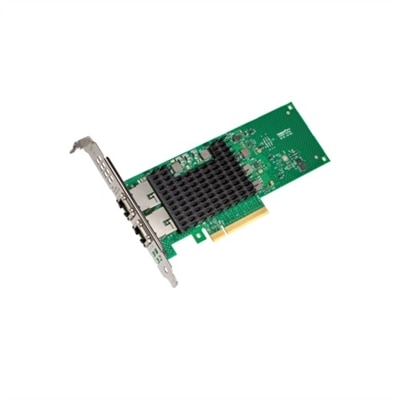
A dual-port PCIe x4 Gigabit Ethernet adapter featuring Intel i350, VLAN tagging, link aggregation, low-profile support.
High availability networking is a system design approach intended to keep digital connections accessible and dependable, even when an individual component stops working. Rather than relying on one path, one device, or one power source, a high-availability setup uses redundancy so another resource can take over when needed. That may include duplicate connections, multiple switching paths, backup power arrangements, or devices configured to share traffic. The goal is to eliminate single points of failure—the one cable, port, connection, or hardware component that could interrupt work for everyone connected to it. Automatic failover is central to this design. When a primary connection becomes unavailable, traffic can be redirected to a backup with little or no manual intervention. Load balancing supports the same objective by distributing activity across available resources instead of allowing one device to become overwhelmed. In a small office, that can help keep cloud applications, video meetings, payment systems, shared files, and voice services available throughout the day. In a larger workplace, reliable connectivity can support hundreds of employees moving between desktops, laptops, displays, printers, collaboration tools, and wireless devices. Uptime goals are often expressed through “nines”: 99% availability allows considerably more interruption than 99.9%, while the demanding “five nines” standard, or 99.999% availability, represents less than five minutes of downtime in a year. Actual performance depends on the entire environment, including configuration, maintenance, power quality, software, cabling, and the devices attached to the network, but the principle remains straightforward: prepare for failure before it happens, and make recovery automatic wherever possible.
When choosing products for a high-availability environment, begin with the way people work and the consequences of interruption. A home office supporting a single laptop may need a simpler arrangement than a medical practice, retail counter, design studio, classroom, or growing business where a lost connection can delay transactions, disrupt a meeting, or leave employees staring at an error message. Count the number of users and connected devices, then consider how much activity they generate at the same time. Video conferencing, large file transfers, cloud backups, streaming presentations, and remote desktop sessions can place very different demands on a connection. Capacity matters, but so does compatibility. Review available wired and wireless connections, supported standards, operating-system requirements, management features, security options, and the physical layout of the workspace. A compact workspace may benefit from quiet, space-conscious equipment and flexible cable placement, while a busy shared office may place greater value on clear status indicators, remote administration, and room to expand. Products designed to work together can simplify setup and troubleshooting, especially when a team needs to identify a failing connection quickly. For shoppers comparing equipment intended to handle demanding traffic, High Performance Network Switches can be considered alongside compatible computers, displays, and accessories. It is also worth examining power requirements and backup options. A dependable connection cannot remain available if a brief electrical interruption shuts down the equipment supporting it. Battery-backed power, surge protection, properly rated cables, and thoughtfully separated connection paths can add resilience. Documenting which devices connect to which ports, labeling cables, and keeping replacement accessories nearby may seem like small steps, but they can turn a stressful outage into a short, orderly changeover.
High availability is useful anywhere people depend on uninterrupted access rather than occasional connectivity. A distributed team may use it to stay present in virtual meetings while employees work from separate rooms or locations. A small business can use a resilient setup to keep point-of-sale activity, scheduling, customer communications, and cloud-based tools moving during busy periods. Schools and training spaces can support interactive lessons without repeatedly pausing to reconnect student devices. At home, families may rely on stable access for remote work, online learning, smart-home controls, entertainment, and communication with relatives. The right supporting computers and displays also make a difference: a laptop with dependable connectivity can move from a desk to a conference room, while a desktop and large monitor can provide a steady workstation for monitoring applications, reviewing alerts, or managing customer activity. Accessories such as docking stations, adapters, cables, webcams, and power solutions can help maintain a consistent experience as users shift between locations. For buyers selecting equipment as a practical gift, these products may be especially suitable for someone setting up a home office, improving a study area, launching a small business, or replacing aging equipment that has become unreliable. A useful purchase is not always the most elaborate one; it is the product that fits existing connections, leaves room for future needs, and remains easy for the intended user to operate. During the cooler months, when more work, study, and entertainment may take place indoors, dependable access can make a workspace feel calmer and more capable. By combining compatible equipment with redundancy, automatic failover, balanced traffic, sensible maintenance, and clear recovery plans, organizations and households can reduce interruptions and keep essential digital routines running when an unexpected component failure occurs.
Add the products you would like to compare, and quickly determine which is best for your needs.