High Definition Security Cameras

High definition security cameras offer a reliable solution for keeping your home or business protected with clear, detailed video footage. Designed to help you monitor activity and enhance peace of mind, these cameras are suitable for both indoor and outdoor environments. Explore a wide selection of high definition security cameras that make it easy to keep an eye on what matters most, whether you’re at home, at work, or on the go. Find options that seamlessly integrate with your existing setup and provide dependable performance for everyday security needs.

Filters

$279.99

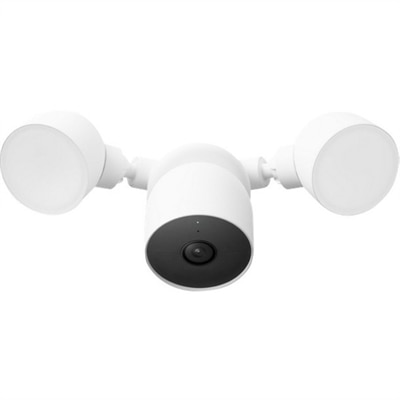
A snow-colored outdoor security camera with 1080p HDR video, intelligent alerts, night vision, and adjustable floodlights.

$279.99
$113.99

A weatherproof 2K camera with 360-degree coverage, AI auto-tracking, full-color night vision, floodlight, and 24/7 recording.

$113.99
$39.99

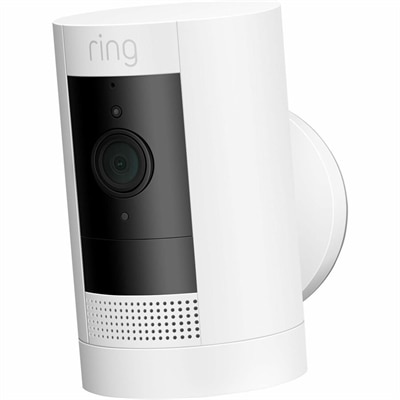
A white, wire-free Full HD security camera with motion alerts, live view, two-way talk, privacy zones.

$39.99
$113.99

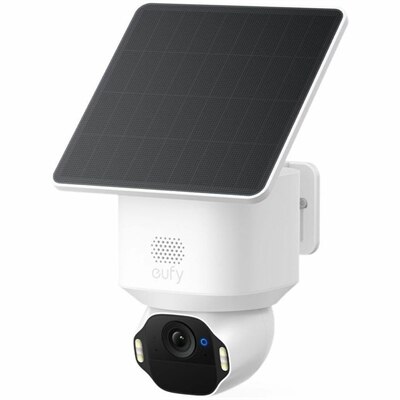
A 4K outdoor network camera with AI tracking, 360° coverage, local storage, and solar charging.

$113.99

High Definition Security Cameras

High-definition security cameras provide detailed video for checking entrances, watching a driveway, or keeping an eye on everyday activity around a home or workspace. HD commonly refers to 720p video, while Full HD describes 1080p video with 1920 by 1080 pixels; higher-resolution formats add more image detail when the lens, lighting, and recording settings support it. That detail can make a person’s clothing easier to distinguish, help reveal what happened near a doorway, or preserve a clearer view when a recording is enlarged. Resolution alone does not guarantee recognizable faces or readable license plates, especially when subjects are far away, moving quickly, or surrounded by glare. Camera placement, viewing angle, exposure, and the amount of light reaching the sensor all influence the finished image. A wide-angle lens can show an entire porch but make someone standing near the sidewalk appear small, while a narrower view concentrates detail on a gate or entry. For broader scenes where additional pixels are useful, 4K Resolution Security Cameras capture approximately four times as many pixels as 1080p cameras at the standard 3840-by-2160 resolution. The difference is most useful when the original footage retains that detail, rather than relying on digital enlargement to create information the camera never captured. Smooth motion matters, too: a person walking up steps or a vehicle entering a driveway may look different at different frame rates and shutter speeds. Nighttime performance adds another dimension. Infrared illumination can reveal activity in darkness, usually in black and white, while color night footage generally depends on sufficient ambient light or a built-in light. Bright afternoon sun, deep porch shadows, and headlights after dark each present different challenges. Balanced exposure and suitable lighting can be as important as a higher pixel count in producing footage that is useful beyond a quick glance at a live view.

The physical design of a security camera should suit the place it will spend its working life. Indoor cameras often use compact housings that sit discreetly on a shelf, attach to a wall, or tuck beneath a ceiling without dominating a living room or office. Outdoor cameras face a different routine: windblown dust, summer heat, freezing mornings, and rain bouncing off pavement. Weather resistance depends on the camera’s stated protection rating, operating temperature range, and installation requirements, not simply on a rugged appearance. Molded plastic and metal housings can both serve outdoor applications when properly designed, while seals, cable entry points, and mounting hardware help determine how well the complete installation withstands exposure. A covered porch offers protection but does not make an indoor-only camera suitable for outdoor use. Fit also includes the mounting surface and the direction the camera can turn. An adjustable bracket may help frame a narrow walkway without filling half the picture with siding, and a stable attachment reduces movement that can interfere with a clear view. Power arrangements shape daily use as well. A camera connected to continuous power avoids routine battery recharging, while a battery-powered design offers more placement flexibility within its operating requirements. Battery runtime varies with recording frequency, temperature, live viewing, and other settings. For either type, a location that is easy to reach makes routine care more practical. Dust, pollen, spiderwebs, and dried water spots can soften an otherwise sharp image or reflect infrared light into the lens. Gentle cleaning with materials approved by the manufacturer helps protect lens covers and exterior finishes. Cameras positioned behind windows may capture reflections from indoor lights or their own infrared illumination, so glass can change nighttime results substantially. These practical details matter for homeowners watching a side entrance, renters working within mounting restrictions, and small-business operators monitoring a customer entry or work area.

Day-to-day usefulness depends on what happens after the camera captures a scene. A clear live view can help confirm that a package reached the porch, show whether a gate was left open, or provide context when an unexpected motion alert arrives. Recording behavior varies by camera and configuration: some systems capture continuously, while others save clips when motion or another supported event is detected. Event-based recording can make a busy day easier to review, but detection range, wake-up time, and clip length affect whether the beginning and end of an incident are included. Features such as pre-event footage, where supported, can add useful context before a notification. Motion detection also differs from person, animal, or vehicle classification. A camera may notice any movement in its view, while more selective detection can help separate a visitor approaching the door from branches shifting in the wind. Adjustable activity zones can focus notifications on a walkway rather than every passing car, although they do not necessarily prevent the camera from capturing areas outside those zones. Two-way audio can support a brief conversation with someone at an entrance, with clarity influenced by wind, traffic, microphone placement, and connection quality. Remote viewing on a compatible phone, laptop, or desktop adds convenience, but app support, wireless signal strength, and internet connectivity affect the experience. Recorded video may be kept on the camera or accessed through a supported cloud service; retention settings, account access, and export options determine how easily footage can be found and preserved later. Privacy deserves the same attention as image quality. Views centered on a property’s entrances and boundaries can provide useful coverage without unnecessarily looking into neighboring windows or private spaces. Strong account credentials, supported software updates, and carefully managed sharing permissions help protect access to live and recorded video. For a household coordinating arrivals, a home office with deliveries throughout the day, or a workspace that needs a view of an entry after hours, the most useful high-definition camera is one whose image quality, physical design, recording behavior, and controls suit the setting.

FAQs:

Add the products you would like to compare, and quickly determine which is best for your needs.

Add the products you would like to compare, and quickly determine which is best for your needs.