High Resolution Color Printers

High resolution color printers deliver vibrant, detailed prints that make every project stand out. Ideal for home offices, creative professionals, and businesses alike, these printers are designed to handle everything from everyday documents to eye-catching marketing materials. Explore a wide range of high resolution color printers to find the perfect solution for your printing needs, whether you're producing photos, graphics, or crisp text. Discover reliable performance and impressive color quality to help bring your ideas to life.

Filters

$1092.00

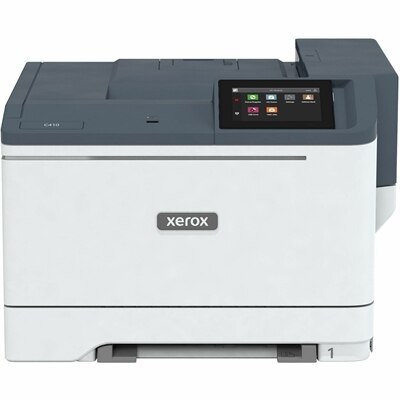
A compact color printer delivering up to 42ppm duplex printing, vibrant output, and convenient mobile connectivity.

$1092

High Resolution Color Printers

High-resolution color printers produce detailed images, smooth color transitions, and clearly defined text for photographs, creative projects, and everyday documents. Photo-focused inkjet printers are especially suited to subtle shading and richly textured images, while color laser printers are often a strong fit for crisp graphics, readable charts, and frequent document printing. Refillable-tank inkjet printers offer another approach to ink delivery, but their image quality still depends on the printhead, ink formulation, paper, and print settings rather than the tank design alone. Across these categories, resolution is commonly expressed in dots per inch, or dpi, describing how closely a printer can place individual dots on the page. A higher dpi specification can support fine detail, although it does not guarantee better-looking output by itself. Color accuracy, consistent ink or toner placement, and the quality of the original file also shape the finished result. A photograph with sharp focus and sufficient image detail gives a printer more information to reproduce than a small image stretched to fill a sheet. The difference becomes particularly visible in strands of hair, delicate foliage, tiny lettering, and the gradual shift from pale blue to deeper color in a sky. Expanded ink sets on some photo-oriented printers can help reproduce a wider range of tones, while other designs prioritize clean business graphics and efficient daily use. Within the broader selection of Color Printers, high-resolution printing serves needs ranging from family photographs and illustrated school projects to presentation handouts and design proofs. A home office may need balanced performance across all of these tasks, while a photographer or illustrator may place greater emphasis on tonal detail and suitable media. The most relevant distinction is not simply the largest resolution number, but how the printer’s imaging technology and paper handling support the work coming off the page. Fine detail matters most when it remains clear, consistent, and appropriate to the intended format.

Paper is an active part of color printing, not just a surface underneath the image. Its coating, texture, thickness, and brightness affect how ink settles or toner adheres, influencing sharpness, contrast, and the appearance of color. Glossy photo paper can give images a reflective finish and strong visual depth, while satin and luster finishes offer a less reflective appearance that often suits portraits and framed photographs. Matte paper brings a softer look to illustrations, diagrams, and text-heavy layouts, although the resulting contrast depends on the paper and printing system. Smooth, bright sheets can help small labels and fine lines remain distinct; textured art papers create a different visual character and require compatible paper paths and settings. Heavy cardstock, envelopes, and specialty media are not supported equally by every printer, and allowable thickness can vary by tray or feed method. Paper intended for inkjet use should not be assumed suitable for a laser printer, where heat is part of the printing process. For a small creative studio, these distinctions may show up in a portfolio page with dense color beside delicate type. At home, they might determine whether a landscape photograph looks luminous behind glass or whether a child’s illustrated project stays crisp around the edges. Dye-based inks often support vibrant photographic output, while pigment-based inks can provide strong resistance to fading on compatible media; actual longevity depends on the complete ink-and-paper combination and display conditions. Neither a high resolution rating nor a particular ink type makes every print waterproof or permanently fade-resistant. Sunlight, humidity, handling, and framing materials all affect how printed work ages. Protective sleeves, suitable frames, and gentle handling help preserve finished pieces. Borderless printing is useful for photographs and full-page artwork, but supported sizes vary, and the process may crop a small amount around the image edges. Precise layouts, captions, and artwork near the trim line benefit from enough space to keep important details visible. These practical details connect the printer’s specifications to the way each finished page will be used, shared, displayed, or filed.

Everyday fit matters alongside image quality, particularly when a printer shares a desk with a computer, study materials, or creative supplies. The footprint includes more than the closed housing: extended paper trays, an open output area, and access for replacing supplies can require additional room. A larger-format printer suits posters, layouts, and oversized photographs, while a standard letter-size model may be sufficient for homework, office documents, and smaller photo prints. Automatic two-sided printing supports multipage documents without manually turning each sheet, though specialty papers and heavier media may have different restrictions. An integrated scanner and copier can be useful for households and offices handling signed forms, sketches, or reference material, but scanning resolution is a separate specification from printing resolution. Wireless printing, direct computer connections, and compatible mobile printing features can make shared use more convenient, with support varying by device and operating system. For frequent document work, paper capacity, recommended monthly print volume, and the time needed to produce a finished color page can matter as much as fine-detail settings. Higher-quality modes may take longer, especially for photographs with broad areas of color, so a printer used for occasional framed images faces different demands from one producing presentation packets throughout the week. Routine care also differs by technology. Inkjet printers may need periodic nozzle checks or cleaning, particularly after long periods without use, and cleaning cycles consume ink. Laser printers avoid liquid-ink nozzle maintenance but still require attention to toner, paper handling, and any replaceable imaging components specified for the machine. Keeping paper dry, protecting unused sheets from dust, and following the printer’s maintenance instructions support dependable output. For color-sensitive work, consistent lighting, an appropriately adjusted monitor, and the correct paper profile can help reduce surprises between the screen and the printed page, though the two will not look identical because screens emit light and paper reflects it. Whether the result is a carefully composed photograph, a classroom diagram, or a polished client presentation, a well-matched high-resolution color printer brings fine detail and everyday usability together.

FAQs:

Add the products you would like to compare, and quickly determine which is best for your needs.

Add the products you would like to compare, and quickly determine which is best for your needs.