Home Speakers
Elevate your listening experience with home speakers designed to complement any living space. Whether you're setting the mood for a gathering or enjoying your favorite playlists, home speakers deliver rich sound and seamless connectivity. Explore a variety of options to find the perfect fit for your entertainment setup and enjoy high-quality audio throughout your home.
This product is not available
Check out the following recommendations.
Home Speakers
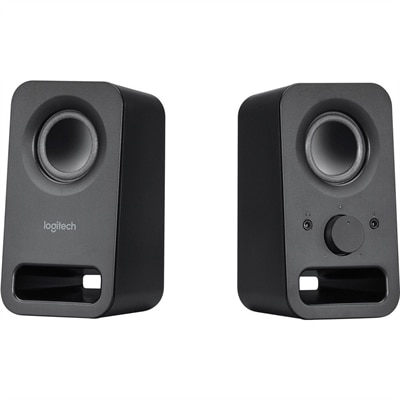
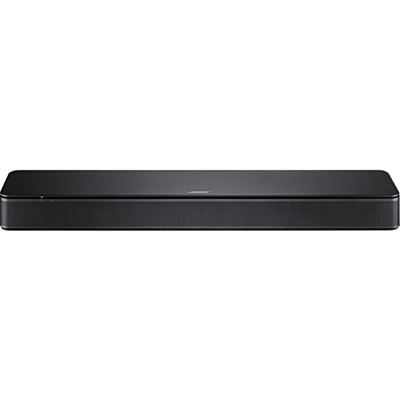
Home speakers bring music, movie dialogue, game audio, and everyday listening into the spaces where people relax, work, and spend time together. The right speaker format depends on room size, listening habits, and the equipment it needs to connect to. A compact tabletop speaker suits background music in a bedroom or a podcast playing beside a home office desk, while a stereo pair creates a more distinct sense of instruments and voices spread across the room. Bookshelf speakers fit smaller listening spaces, although their name does not mean they have to sit inside a bookcase; sturdy stands or an open shelf can give them the clearance they need. Floorstanding speakers use taller cabinets that can accommodate larger or additional drivers, making them a practical consideration for dedicated listening areas and spacious living rooms. Soundbars place multiple drivers in a slim enclosure near a television, offering a less visually intrusive approach to TV audio. Separate surround speakers can add sounds from beside or behind the seating area, while a subwoofer handles low frequencies such as the rumble of a movie soundtrack or the weight of a bass guitar. For a closer connection between television viewing and room-filling audio, Home Entertainment Speakers brings the focus to that listening experience. In-ceiling and in-wall speakers take a different approach, keeping much of the hardware out of sight but requiring more planning for mounting, wiring, and access. No single shape guarantees better sound in every home. A modest stereo setup positioned thoughtfully can feel more balanced in a small apartment than an oversized system crowded against furniture. Clear vocals, comfortable listening levels, and even coverage across the main seating area often matter more in daily use than sheer loudness. For shared spaces, sound that remains intelligible at a low volume can make an evening playlist or a late-night episode more enjoyable without dominating the household.
Connection options determine how naturally home speakers fit into an existing routine. Powered speakers contain amplification, while passive speakers need a compatible external amplifier or receiver; that distinction affects the space, cables, and supporting equipment a setup requires. Bluetooth offers a convenient connection from a compatible phone, tablet, or laptop, especially when one person wants to start a playlist without building a larger system. Wi-Fi-enabled speakers may support streaming and synchronized playback across rooms, although those capabilities depend on the speaker platform, supported services, and home wireless coverage. Wireless audio does not necessarily mean cordless operation: many home speakers still need a nearby electrical outlet, and separate components may require additional connections. For a desktop, USB or an analog audio input can provide a straightforward path from a compatible computer to a pair of speakers. Television setups may use HDMI ARC, HDMI eARC, or optical audio, with compatibility on both the TV and the sound system determining which features work. Supported HDMI connections can simplify everyday volume control, while audio format support affects whether a system can reproduce particular surround sound tracks. Smart speaker functions also vary; voice control, microphone controls, app requirements, and account compatibility are meaningful differences for households that prefer either hands-free operation or a simpler physical interface. In practice, convenient controls can be as valuable as an extensive feature list. A reachable volume knob at a desk, a remote near the sofa, or clearly marked buttons on a bedside speaker can make frequent adjustments less distracting. For gaming and video, audio that stays synchronized with the picture is particularly important, and some wireless connections introduce more delay than others. Stereo pairing, additional room speakers, and subwoofer connections should be treated as compatibility features rather than universal capabilities. A speaker designed for independent playback may not connect with another speaker in the way a listener expects, even when both use the same general wireless technology.
Materials, dimensions, and placement influence both the appearance and the long-term practicality of home speakers. Cabinets may use molded plastic, engineered wood, metal, or combinations of these materials, with finishes ranging from textured surfaces to smooth veneers. Cabinet rigidity and internal construction help control unwanted vibration, but a material name alone does not establish sound quality. Fabric or metal grilles cover the drivers and contribute to the speaker’s visual character, whether it blends into a quiet reading corner or sits prominently beside a monitor. Physical fit includes more than width and height: cable plugs need room behind the enclosure, ventilation openings need clearance, and some bass ports perform best with space away from a wall. Speakers tucked deep into a cabinet can sound different from the same pair positioned in the open. Hard floors, bare walls, thick rugs, and upholstered furniture also affect how sound behaves, so a bright, echoing room may feel very different from a carpeted den. For stereo listening, placing the left and right speakers at similar distances from the main seat helps create a stable center image, where a singer’s voice seems to sit between them. Secure stands and appropriately rated mounts matter in busy homes, especially around children or pets; cables should stay clear of walking paths and moving chair legs. Routine care is generally simple: gentle dusting with a soft, dry cloth, keeping liquids away, and following the manufacturer’s cleaning directions help protect finishes and delicate components. Exposed drivers should not be pressed or scrubbed, and ordinary indoor speakers should not be assumed to tolerate steam, splashes, or outdoor weather. Durable construction, accessible controls, and a layout that is easy to maintain support years of everyday use. Home speakers can also make thoughtful gifts for music lovers, movie enthusiasts, college students furnishing a room, or someone settling into a new home. The most useful match reflects the recipient’s available space and existing devices, whether that means clearer sound beside a laptop, relaxed listening during dinner, or a more engaging soundtrack for a weekend movie.
FAQs:
When selecting home speakers, consider features such as sound quality, connectivity options (Bluetooth, Wi-Fi, wired), compatibility with your devices, smart assistant integration, and whether you want multi-room audio capabilities.
Many modern home speakers support multi-device connectivity through Bluetooth or Wi-Fi. Some models allow you to easily switch between devices or even play audio from multiple sources simultaneously using dedicated apps.
Wireless home speakers use Bluetooth or Wi-Fi to connect to your devices without the need for physical cables, offering more flexibility in placement. Wired speakers typically provide a more stable connection and may deliver higher fidelity audio but require direct connections to your audio source.
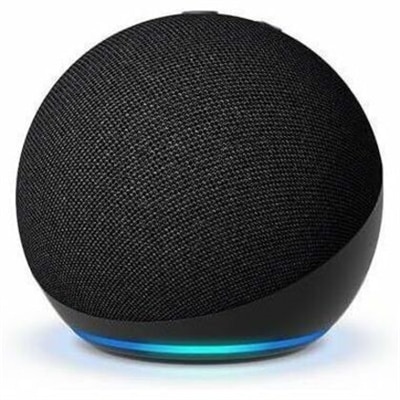
Yes, many home speakers are compatible with popular voice assistants like Amazon Alexa, Google Assistant, or Apple Siri. These smart speakers let you control music playback, manage smart home devices, and access information using voice commands.
Multi-room audio allows you to play music throughout your home using multiple connected speakers. With compatible systems, you can synchronize playback across rooms or play different tracks in each area, all controlled from a single app or device.