Industrial Network Security
In today's rapidly evolving digital landscape, safeguarding your industrial operations is more critical than ever. Industrial network security plays a pivotal role in protecting your infrastructure from potential threats and vulnerabilities. As industries increasingly rely on interconnected systems and IoT devices, ensuring robust security measures is essential to maintain operational integrity and safeguard sensitive data. By implementing advanced industrial network security solutions, businesses can enhance their resilience against cyber threats, minimize downtime, and ensure seamless and secure operations. Explore our comprehensive range of cutting-edge solutions designed to meet the unique demands of industrial environments and keep your networks secure.
This product is not available
Check out the following recommendations.
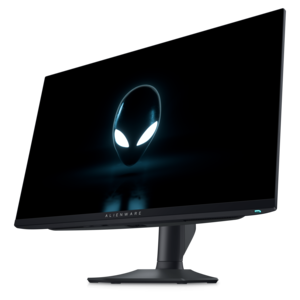

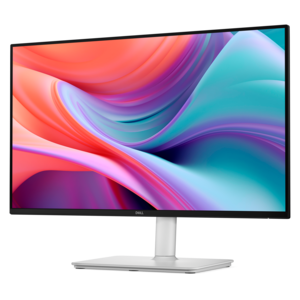

Industrial Network Security
Industrial network security focuses on protecting the digital systems that support physical operations, where a computer-related disruption can affect equipment, production schedules, and the people working nearby. Unlike office cybersecurity, which often centers on protecting information, security in an industrial setting must also account for human safety, dependable operation, and the consequences of interrupting a physical process. Laptops, desktops, monitors, and accessories used in these environments support the people responsible for reviewing operating information, documenting maintenance, and accessing approved applications. Their suitability depends on both everyday usability and compatibility with the organization’s security requirements. A laptop used by a maintenance supervisor moving between an office and a production floor has different demands from a desktop that stays at a staffed workstation. The mobile computer may need a manageable carrying weight, a readable display, and battery life suited to a shift spent away from an outlet. The fixed workstation may benefit from a larger screen, comfortable input devices, and a layout that keeps cables clear of busy work surfaces. In either case, a responsive computer is only part of the picture. Supported operating systems, controlled user access, dependable updates, and compatibility with established management tools help make an endpoint appropriate for professional use. Hardware-backed security features, encrypted drives, and authentication options can contribute to protection when they are supported, configured, and maintained correctly. No individual feature makes a computer secure on its own, and an ordinary business computer should not be assumed to be suitable for hazardous locations or direct control of machinery. For engineers, technicians, facilities personnel, and security teams, the relevant distinction is between a device that simply runs an application and one that fits the working environment, access rules, and maintenance practices surrounding that application. Industrial cybersecurity therefore provides useful context for evaluating workplace computing equipment without treating a computer purchase as a complete security solution.
The relationship between operational technology and information technology shapes how computers are used around industrial processes. Operational technology, often shortened to OT, includes systems that monitor or influence physical activity, while information technology, or IT, generally supports business applications and information handling. Industrial control systems, including supervisory control and data acquisition systems known as SCADA, may depend on specialized software, long equipment lifecycles, and carefully scheduled changes. A desktop used to review production reports does not necessarily need the same permissions or application access as a computer assigned to authorized maintenance work. Keeping those roles distinct helps limit unnecessary exposure and supports clearer accountability. For a technician opening approved diagnostic software beside a quiet production line, reliable application compatibility may matter more than having the newest operating system immediately after its release. For an analyst comparing incident records in an office, sufficient memory and a clear, spacious display may have a greater effect on daily work. Industrial environments can also involve communication protocols such as Modbus, DNP3, IEC 61850, and EtherNet/IP, which have different purposes and security characteristics. Support for the required applications and approved connection methods should be confirmed rather than inferred from a computer’s general specifications. Defense in depth adds another important concept: protection comes from coordinated measures, including restricted access, endpoint configuration, monitoring, and documented operating procedures, rather than a single device or software setting. Standards in the ISA/IEC 62443 series provide a framework for industrial automation and control system security, but choosing a laptop or desktop does not independently establish compliance. The broader workplace context overlaps with Business Network Security, particularly where employees use business applications alongside information from operational environments. That overlap makes consistent identity management, carefully authorized remote access, and separation of everyday office activities from sensitive operational tasks especially relevant. Computers supporting these workflows work best as parts of an established security program, with responsibilities defined for configuration, updates, access review, and eventual replacement.
Physical construction and workstation fit also matter when computing equipment is used near industrial activity. Dust, vibration, temperature changes, and accidental contact can create demands that differ substantially from those of a conventional office. A metal enclosure may feel sturdy, but enclosure material alone does not establish resistance to impact, moisture, or airborne particles. Documented environmental ratings and the manufacturer’s intended-use limits provide more meaningful evidence of suitability. A laptop carried through a clean inspection area may be well served by a protective sleeve and a stable work surface, while a computer positioned near heavy machinery requires a more careful assessment of conditions and placement. Displays deserve similar attention. Screen size, resolution, brightness, and glare control influence how comfortably someone can compare logs, read small status text, or keep several approved applications visible. Adjustable monitor positioning can reduce awkward viewing angles at shared desks, and keyboards and pointing devices should fit the available space without forcing an uncomfortable reach. Accessories such as docks, carrying cases, and external input devices also need to match the computer’s connections, power requirements, and authorized use. A dock that simplifies movement between work areas should still be compatible with the organization’s device policies; convenience should not introduce unapproved peripherals or unexpected access paths. Routine care supports durability as well as dependable operation. Cleaning methods should follow the manufacturer’s instructions, liquids should stay away from openings, and ventilation should remain unobstructed. On a crowded maintenance desk, keeping paperwork away from cooling vents can be as practical as choosing sufficient processing capacity for the workload. Long-term fit also includes the expected support period, service arrangements, replacement planning, and secure handling of stored information when a computer changes users or leaves service. These considerations are relevant to manufacturing staff, utility personnel, engineering teams, and other professionals whose computing tasks intersect with physical operations. The most suitable equipment balances the demands of the person, the application, and the location: comfortable enough for daily use, capable enough for approved workloads, and compatible with the safeguards that protect the surrounding work.
FAQs:
When selecting monitors for industrial network security environments, look for features such as high resolution for clear visibility, anti-glare coatings to reduce eye strain, adjustable stands for ergonomic positioning, and durable construction to withstand demanding conditions. Connectivity options like multiple ports and compatibility with secure docking stations can also enhance workflow and security.
Yes, most modern laptops and desktops are designed to integrate seamlessly with existing network security protocols. Look for devices that support the latest operating systems, offer hardware-based encryption, and provide compatibility with your current authentication methods to ensure a smooth integration into your security infrastructure.
Upgrading accessories such as ergonomic keyboards, secure wireless peripherals, and biometric authentication devices can benefit IT professionals, facility managers, security personnel, and any staff who regularly interact with sensitive systems. Enhanced accessories can improve both security and daily comfort for users.
Remote management capabilities allow IT teams to monitor, update, and troubleshoot devices from a central location, reducing downtime and ensuring that security protocols are consistently enforced across all endpoints. This is especially valuable in industrial settings where equipment may be spread across large facilities or multiple sites.
To future-proof your hardware purchases, choose devices that support the latest security standards, offer regular firmware and software updates, and provide scalability for expanding operations. Opt for products with modular components and robust support options to ensure your setup can adapt to evolving security needs.