$849.99
Intel Processors
Discover the power and efficiency of Intel processors, designed to elevate your computing experience to new heights. Whether you're a gamer seeking seamless performance, a professional in need of reliable multitasking capabilities, or simply looking to upgrade your current setup, Intel processors offer a range of options to meet diverse needs. Renowned for their innovation and quality, these processors ensure your system runs smoothly and efficiently, enabling you to tackle any task with confidence. Explore our selection of Intel processors and find the perfect match for your computing requirements.
$879.99
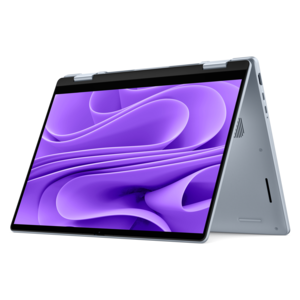
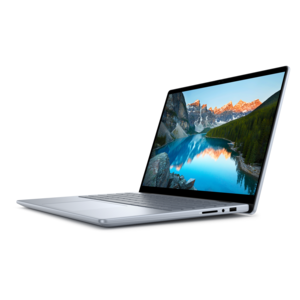
A versatile 2-in-1 laptop with Intel Core processors, DDR5 memory, and multiple modes for creative work.
$1249.99
Intel Processors
Intel processors provide the computing foundation for a broad range of laptops and desktops, from compact everyday systems to powerful computers built for demanding creative work and gaming. The processor, often called the CPU, handles instructions that allow applications to open, webpages to load, files to transfer and many tasks to run together. Choosing the right one starts with understanding how a computer will be used. An entry-level Intel processor can be a practical fit for web browsing, email, streaming, online learning, word processing and household budgeting. These systems are often responsive for routine tasks while helping keep a computer affordable and energy-conscious. A mainstream processor offers additional headroom for people who regularly move between video calls, browser tabs, office applications, music and other programs. That extra capability can make a noticeable difference during a busy afternoon when a spreadsheet is open beside a presentation, a research window and a video meeting. For a closer look at compatible computers, browse Intel PCs. Higher-performance Intel processors are designed for more intensive multitasking, advanced gaming, photo work, video editing, software development and other workloads that benefit from faster processing and additional cores. Intel Core Ultra processors also bring modern features such as improved power efficiency and built-in AI acceleration on select systems, supporting everyday experiences that can include image enhancement, collaboration tools, content creation and other AI-assisted applications. The best choice is not always the processor with the highest rating; it is the one that matches the computer’s size, cooling design, battery expectations, software and workload.
When comparing Intel processor options, consider more than the name printed on a specification sheet. Core count and thread support can influence how smoothly a computer handles several demanding tasks at once, while clock speed can affect responsiveness in applications that rely heavily on quick individual operations. Newer processor generations may add architectural improvements, stronger integrated graphics, enhanced power management and support for current memory or connectivity standards. For laptop shoppers, efficiency is especially important because a well-balanced processor can help a thin computer stay cool and preserve battery life during travel, classes or work away from an outlet. A desktop can often provide more room for sustained performance, making it a natural choice for a home office, gaming setup or creative workspace where the computer remains connected to power. Integrated graphics can be sufficient for video playback, casual games, photo organization and general productivity, while demanding games and specialized visual applications may call for a separate graphics solution. Memory and storage matter as well: a capable processor may feel held back when a system has too little memory for the user’s applications or a slow, crowded drive. Before choosing, make a short list of the programs that matter most, the display resolution you expect to use and the number of years you want the computer to remain useful. Someone replacing an older family laptop may value quiet operation, a comfortable keyboard and reliable video calls as much as raw speed. A student may prioritize portability and battery life, while a home creator may place greater emphasis on sustained performance, memory capacity and display support.
Intel processor systems can serve many different kinds of users throughout the year. A first computer for a student can support research, writing, virtual classes, creative projects and communication without taking up much space in a dorm room or bedroom. For a remote or hybrid worker, a laptop with a balanced processor can make it easier to keep a video meeting, documents, messaging and cloud-based applications available together, whether working at a kitchen table during cooler months or from a home office. Families may appreciate a desktop that handles shared needs such as streaming, homework, photo storage and household administration, while a gaming enthusiast may look for the responsiveness and multitasking capacity needed for modern games, live communication and recording. People who edit photos or video should pay close attention to processor performance, memory and application requirements, since exporting a project or working with high-resolution footage can place a sustained load on the system. Buyers selecting a computer as a gift can focus on the recipient’s habits rather than guessing at technical specifications: portability may suit a traveler, a larger screen may help a hobbyist, and a stronger processor may benefit someone who creates content or plays demanding games. It is also wise to check operating system requirements, software compatibility, available ports, display connections and upgrade options before making a decision. With the right balance of performance, efficiency and features, an Intel processor can help a laptop or desktop feel dependable for daily routines while leaving room for new applications, creative interests and changing computing needs.
FAQs:
Intel Core i3, i5, i7, and i9 processors are designed to suit different performance needs. Core i3 is ideal for everyday tasks like web browsing and document editing, Core i5 offers enhanced speed and multitasking for most users, Core i7 is suited for demanding applications such as content creation and gaming, while Core i9 delivers top-tier performance for power users and professionals who require maximum speed and core counts.
Laptops with Intel Core Ultra processors are best suited for those who need premium performance, such as creative professionals, gamers, and users who want advanced AI features and integrated graphics. These processors are designed to handle intensive workloads, future-proofing your device for emerging applications and software.
Processor suffixes indicate the chip's intended use: 'U' stands for power-optimized processors found in thin-and-light laptops, offering efficient performance and longer battery life. 'H' and 'HX' are high-performance options, typically found in gaming and workstation laptops, providing more cores and higher speeds for demanding applications.
For multitasking and productivity, look for processors with higher core and thread counts, such as Intel Core i5 or i7, paired with ample RAM (at least 16GB) and a fast SSD. This combination ensures smooth performance when running multiple applications, managing large files, or working with complex software.
Yes, Intel-powered laptops are an excellent gift for students and professionals alike. Their versatility, reliability, and wide range of performance options make them suitable for everything from schoolwork and research to professional tasks and creative projects, ensuring recipients have the tools they need to succeed.