$5903.00
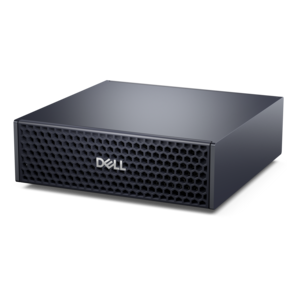
A compact AI accelerator delivering powerful local inferencing, AI development, and versatile edge performance.
Unlock the potential of your business operations with IoT edge computing, a transformative technology that brings data processing closer to where data is generated. By minimizing latency and optimizing bandwidth, IoT edge computing empowers enterprises to make real-time decisions and enhance efficiency across various applications. Whether you're looking to streamline manufacturing processes, improve smart city infrastructure, or bolster healthcare systems, this innovative approach provides the agility and responsiveness needed in today's fast-paced digital landscape. Explore a range of solutions designed to meet diverse industry needs and drive your organization forward with cutting-edge connectivity and intelligence.
A compact AI accelerator delivering powerful local inferencing, AI development, and versatile edge performance.
IoT edge computing brings data processing closer to the sensors, cameras, machines and other connected devices that generate it. Instead of sending every raw reading to a distant cloud service before taking action, an edge computing setup can examine information locally, identify what matters and respond with minimal delay. A temperature sensor may detect an unsafe rise and trigger an alert; a camera system may interpret movement near restricted equipment; a vibration monitor may recognize a pattern that suggests wear before a machine stops working. The basic flow is straightforward: connected devices collect signals, a nearby computing device or gateway filters and analyzes those signals, automated software responds to important changes, and selected summaries or alerts can be sent to the cloud for broader review. This approach can make IoT deployments more responsive, efficient and resilient. It may reduce latency when decisions need to happen in milliseconds, conserve internet bandwidth by avoiding the transfer of repetitive raw data, and help systems continue performing essential tasks during a temporary connection interruption. It can also support privacy goals by allowing sensitive footage, measurements or operational details to remain on-site whenever the application permits. When evaluating products for an IoT edge computing environment, begin with the workload rather than a device label. Consider how many sensors will provide input, whether the system must interpret images or video, how quickly it needs to react and how much processing will occur at the edge. Compact computers can suit distributed work areas, inspection stations or small facilities, while more capable desktop computers may be a better fit for demanding analysis, multiple displays or applications that run continuously. A business evaluating connected equipment may also explore Industrial IoT Solutions to understand how computing resources can support automation and operational visibility.
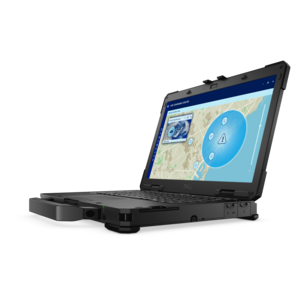
Choosing the right edge computing equipment involves balancing performance, durability, manageability and the environment where the system will operate. Processing requirements depend on the type of data involved: numerical readings from temperature or pressure sensors are generally lighter than continuous video analysis, predictive maintenance models or software that combines information from many devices. Look for a current processor with enough performance for the intended workload, along with sufficient memory to keep applications responsive as more sensors or analytical tasks are added. Fast local storage can help applications open quickly and preserve temporary data, while an appropriate operating system and support for the software used by the organization are equally important. For a workstation used by technicians, engineers or operations teams, a clear monitor with comfortable viewing adjustments can make dashboards, alerts and equipment readings easier to interpret during a long shift. A laptop may be useful when staff move between production areas, service locations, classrooms or field sites, especially when its battery life, portability and durable design match the working conditions. Accessories such as webcams, headsets, keyboards, mice and docking equipment can help turn a portable computer into a more comfortable station for reviewing reports, collaborating with colleagues or responding to alerts. In locations exposed to dust, vibration, heat or changing temperatures, confirm that the selected equipment is suitable for the environment and that it can be positioned safely away from moisture, moving parts and excessive heat. Power protection and dependable restart behavior also deserve attention for unattended installations, since an edge device may be expected to resume its role after an interruption without requiring someone to travel to the site. Security should be considered at every stage. Use strong authentication, keep software updated, restrict access according to job responsibilities and choose equipment with built-in protections that help safeguard local information. Physical placement matters as well; a computer or gateway in an accessible public area should be secured against tampering, while sensitive displays should be positioned so passersby cannot easily view them.
IoT edge computing can serve organizations of many sizes and industries. Manufacturers may use local analysis to identify unusual motor vibrations, changes in production quality or signs of equipment stress before a costly interruption occurs. Retail and hospitality teams can use connected devices to monitor refrigeration temperatures, occupancy patterns or equipment status, helping employees address issues quickly. Warehouses, farms, transportation operations and commercial buildings can apply the same principles to track conditions, automate routine responses and make better use of staff time. Healthcare environments may process readings from connected monitors close to where they are collected, allowing qualified personnel to receive timely notifications while following applicable privacy and compliance requirements. Smart facilities can examine lighting, air quality, energy use and access activity locally, then send useful summaries for longer-term planning. For a small business, an edge computing project might begin with a single room, workstation or piece of equipment and expand after the benefits are measured. Larger organizations may need a consistent approach for selecting, configuring, updating and replacing devices across many locations. Before purchasing, document the desired outcome, the data sources, the response time, the expected operating hours and the people responsible for maintenance. Estimate future growth rather than choosing hardware only for today’s workload, but avoid paying for capabilities the application will not use. Review ports, display support, wireless or wired connectivity requirements, physical dimensions, energy consumption, warranty coverage and remote management options. A well-planned setup separates routine readings from urgent events, keeps local actions understandable to staff and sends only the information needed for oversight or deeper analysis. The result is a practical bridge between the physical world and digital tools: equipment that observes conditions, processes information close to its source and helps people act with greater speed and confidence.
Add the products you would like to compare, and quickly determine which is best for your needs.